

If you're planning your first trip to Bali, you've probably already scrolled through hundreds of stunning photos, rice terraces, clifftop temples, infinity pools overlooking the jungle. But figuring out what to do in Bali once you actually get there? That's where things get overwhelming. The island packs an absurd amount of variety into a relatively small space, and without a clear plan, it's easy to waste days bouncing between tourist traps or missing the spots that actually make Bali worth the flight.
We built Nexttrip.Travel around the idea that the best trips come from people who've been there, not algorithms scraping review sites. Our team works with travel creators and local insiders who know Bali beyond the surface level, and that hands-on knowledge is exactly what shaped this guide. Every recommendation here comes from real itineraries we've helped travelers book and experience firsthand, not generic top-ten lists recycled from 2019.
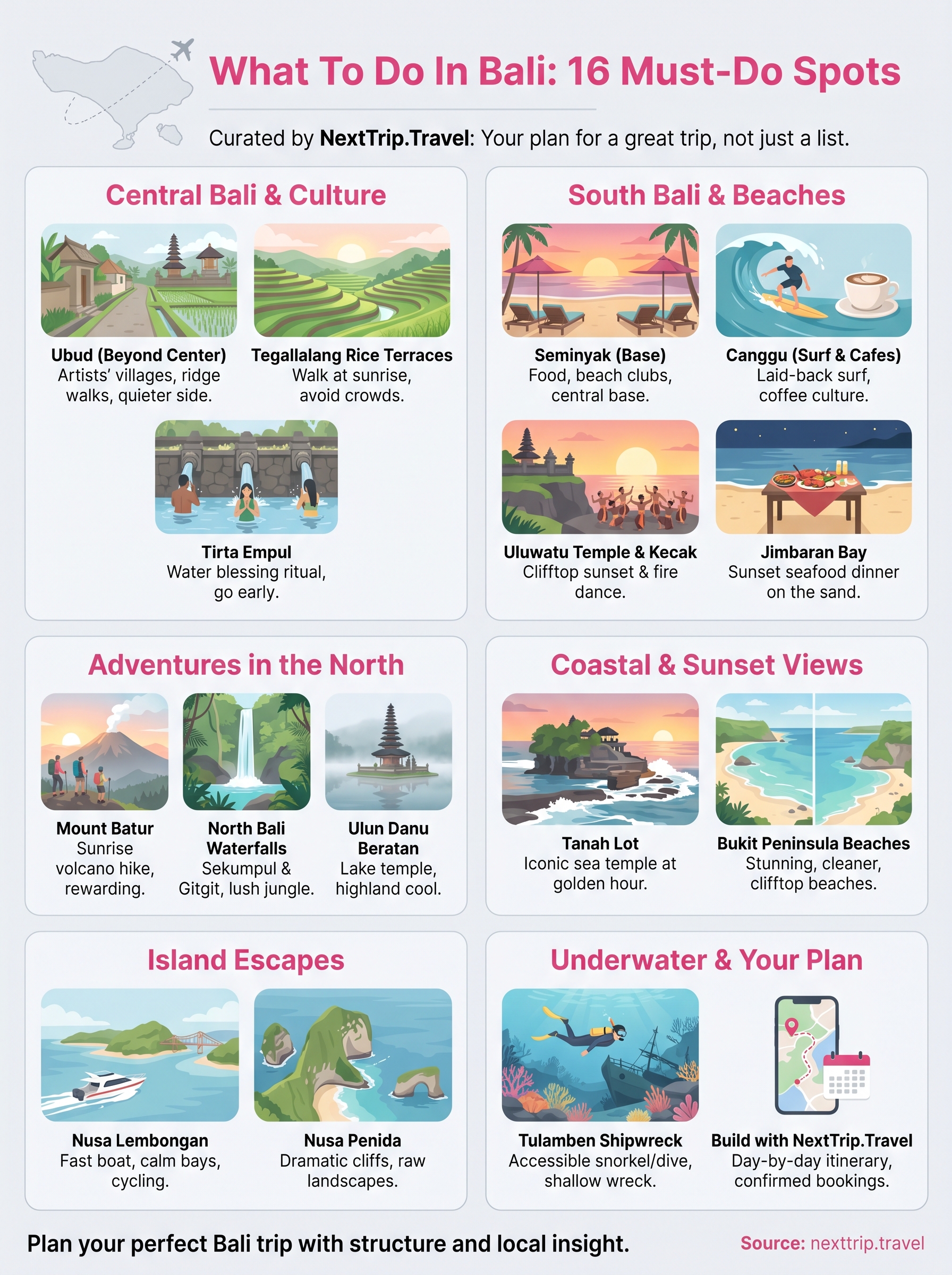
This guide breaks down 16 must-do spots and experiences across the island, organized so you can actually build a trip around them. Whether you're into temple visits at sunrise, waterfall hikes, street food crawls, or just finding the right beach bar to watch the sunset, you'll walk away with a solid starting point for your Bali itinerary, and a clear picture of what deserves your time.
1. Build an influencer-style itinerary with NextTrip.Travel
Most first-timers land in Bali with a rough list of places they want to see but no structure connecting them. NextTrip.Travel fixes that by turning your wishlist into a day-by-day itinerary shaped by travel creators and local insiders who know exactly which stops are worth your time and which ones just look good on someone else's feed.
What you'll do
When you work with NextTrip, you start by telling us what kind of trip you want: beach-heavy, culture-focused, adventure-packed, or some mix. Our team then maps a route that makes geographic sense and builds in the experiences Bali is actually known for, timed to avoid crowds and structured so you're not driving four hours in the wrong direction between stops.
Knowing what to do in Bali is only half the equation. Knowing in what order to do it separates a great trip from an exhausting one.
Your itinerary also includes picks that go beyond the standard tourist checklist. Our local partners flag hidden restaurants, lesser-known viewpoints, and timing tricks that most travel guides skip because the writers have never actually been there.
How to do it
Getting started is simple. You fill out a short trip brief covering your travel dates, group size, budget range, and interests. A concierge then refines the details and builds out your full itinerary with confirmed bookings attached, so nothing is left unresolved before you land in Denpasar.
Everything from accommodation to activity slots is handled through the platform. There are no multiple tabs to juggle or separate booking sites to chase. One plan, one point of contact, and a trip that's ready to go before you board the plane.
Costs and first-timer tips
NextTrip's concierge planning service scales to your budget, whether you're staying in mid-range guesthouses or private villas with a pool. Your total cost depends entirely on what you choose to include, with full pricing transparency at each step so there are no surprise charges.
For first-timers, book early. July and August are Bali's peak months, and the best-rated properties, private guides, and activity slots fill up faster than most people expect. Locking in your itinerary two to three months ahead gives you real options instead of second-best leftovers.
2. Base yourself in Seminyak for food and day trips
Seminyak sits in Bali's southwestern strip and works as a natural home base for first-timers who want easy access to beaches, restaurants, and the island's main southern attractions. It's polished enough to feel comfortable but still has genuine character, with independent boutiques and a food scene that punches well above what you'd expect from a beach town.
What you'll do
Your days in Seminyak revolve around world-class restaurants, beach clubs, and short drives to nearby areas like Kerobokan and Berawa. Eat your way through Eat Street on Jalan Kayu Aya, which runs a tight stretch of some of the best dining on the island. In the evenings, the beach clubs along Petitenget Beach give you a front-row seat to some of Bali's most dramatic sunsets without needing to travel far.
Seminyak's central location means you can reach Canggu, Ubud, or Uluwatu in under an hour, which makes it one of the smartest bases for planning day trips across the island.
How to do it
Rent a scooter or pre-book a driver through your accommodation for the days you plan to explore beyond Seminyak. Most guesthouses and villas can arrange this for a reasonable daily rate. For restaurants, book in advance at popular spots like Métis or Sarong if you're going on a weekend.
Costs and first-timer tips
Accommodation in Seminyak ranges from $40/night guesthouses to $300+ villas. Budget around $15 to $30 per person for a solid dinner. Avoid renting a car unless you're confident driving on narrow Balinese roads. A private driver costs roughly $40 to $60 per day and removes that stress entirely.
3. Cafe hop and surf in Canggu
Canggu sits just north of Seminyak and has grown into one of Bali's most talked-about neighborhoods. It pulls together a laid-back surf culture, a serious coffee scene, and a rice-field backdrop that makes almost every street worth exploring. If you're figuring out what to do in Bali and want a place that packs both activity and atmosphere into one area, Canggu belongs near the top of your list.
What you'll do
Two things drive this neighborhood: waves and good coffee. Batu Bolong Beach is the main surf break, beginner-friendly on smaller days and right off the main strip. Between sessions, the cafe culture here is genuinely impressive, with spots like Revolver Espresso and Nude Coffee Roasters drawing serious coffee drinkers from across the island. The surrounding lanes also hide some of Bali's best warungs for a cheap, local lunch.
Canggu's rice fields are shrinking as development picks up, so exploring the back lanes now gives you a version of the neighborhood that won't look the same in five years.
How to do it
Rent a scooter for the day to move between cafes, the beach, and the surrounding streets at your own pace. Most surf schools on Batu Bolong offer two-hour group lessons for first-timers, with boards and instructors included. Book directly on the beach or through your accommodation the night before.
Costs and first-timer tips
Surf lessons run $8 to $15 for a two-hour session, and a solid coffee with breakfast costs around $4 to $6. Scooter rental typically lands at $5 to $8 per day. Avoid Canggu on weekend afternoons when traffic on Jalan Batu Bolong turns the main road into a slow crawl.
4. Explore Ubud beyond the center
Ubud is Bali's cultural heart, but most first-timers make the mistake of staying on Jalan Raya Ubud and calling it done. The main street has its charm, but the real version of Ubud sits in the villages and jungle paths surrounding the center, where the crowds thin out and the experience feels entirely different.
What you'll do
Beyond the palace and the market, you'll find working artists' studios in Penestanan, traditional healers in Pengosekan, and rice field walks through Campuhan Ridge that take under an hour but deliver views most visitors never see. The Agung Rai Museum of Art (ARMA) is worth a morning for anyone interested in Balinese painting and sculpture, and it rarely draws the same crowds as the Ubud Monkey Forest.
Ubud's surrounding villages are where you see Balinese culture functioning as a daily practice, not as a performance for tourists.
How to do it
Rent a bicycle or hire a local guide for a half-day to reach the outer neighborhoods. Campuhan Ridge Walk starts at the Ibah hotel bridge and follows a clear path with no guide required. For village visits or healer experiences, arrange introductions through your accommodation rather than booking through a generic tour platform, which typically adds markup with no extra value.
Costs and first-timer tips
Bicycle rental runs $3 to $5 per day, and most village areas charge no entry fee. Budget around $30 to $50 for a private half-day guide who knows the outer areas well. Mornings before 9 a.m. give you the ridge walk and rice fields largely to yourself, which also makes for better photos if that is part of what to do in Bali for you.
5. Walk Tegallalang rice terraces at sunrise
Tegallalang is one of the most photographed spots in all of Bali, and for good reason. The terraced landscape north of Ubud drops into layered green steps that shift color depending on the light, and arriving at sunrise puts you there before the tour buses, the Instagram crowds, and the souvenir sellers set up for the day.

What you'll do
You'll walk a network of paths that wind through the working terraces, passing small local farms, palm trees, and irrigation channels that have fed this land for centuries. The Subak irrigation system used here is a UNESCO-recognized cultural practice, so what you're walking through is an active agricultural site, not a park built for tourists. Some sections of the path are steep, so wear shoes with grip rather than sandals.
Arriving before 6:30 a.m. gives you the terraces in soft morning light with almost no other visitors, which is the version worth waking up early for.
How to do it
Tegallalang sits about 25 minutes north of Ubud by scooter. Most guesthouses in Ubud can arrange a driver for an early pickup if you're not comfortable riding in the dark. Skip the swing and activity operators clustered near the entrance if you're just there to walk the terraces since they add cost and time without improving the experience.
Costs and first-timer tips
Entry to the main terrace area runs around $1 to $2 collected informally at the path entrance. If you're planning what to do in Bali across multiple days, pair Tegallalang with a morning stop at a nearby coffee plantation, which typically takes under an hour and costs nothing to tour.
6. Visit Tirta Empul for a water blessing
Tirta Empul is one of the most spiritually significant temples in Bali, and it belongs on your list of what to do in Bali if you want to move beyond sightseeing into something more grounded. Located in Tampaksiring, roughly 30 minutes north of Ubud, the temple surrounds a natural spring that Balinese Hindus have used for purification rituals for over a thousand years.
What you'll do
At Tirta Empul, you can participate in a melukat, the traditional Balinese water purification ceremony, by moving through a series of carved stone fountains set into open-air bathing pools. Each spout carries its own spiritual meaning, and locals perform this ritual regularly as a genuine act of faith, not as a show for visitors. Watching the ceremony alongside actual worshippers gives the visit a weight you won't find at most tourist sites.
Treating Tirta Empul as an active place of worship rather than a photo location changes the experience entirely, and the Balinese people there will notice the difference.
How to do it
Wear or bring a sarong and sash since both are required to enter the inner temple area. The entrance has rentals available if you arrive without one. Get there before 8 a.m. to join the ritual pools before tour groups arrive and the wait times grow long.
Costs and first-timer tips
Entry runs approximately $3 to $4 per person. Skip the guided tours sold near the gate since the temple layout is straightforward, and printed information boards at the site explain each fountain's ritual purpose clearly enough on their own.
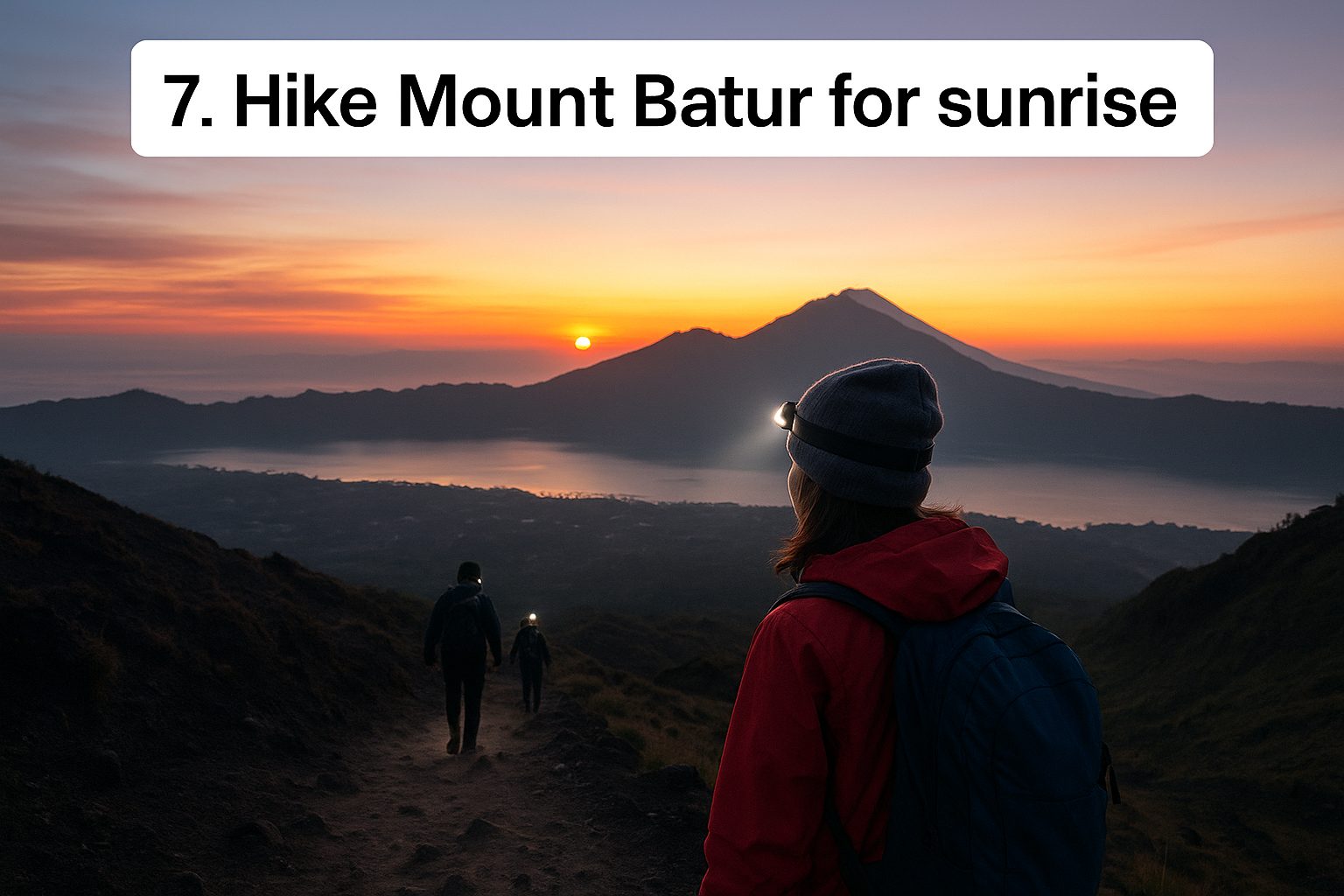
7. Hike Mount Batur for sunrise
Mount Batur is an active volcano in Bali's central highlands, and hiking it for sunrise ranks among the most physically rewarding experiences on the island. The two-hour ascent rewards you with a crater rim view over Lake Batur and, on clear mornings, a horizon that stretches all the way to Mount Agung.
What you'll do
You'll start the hike around 2 a.m. from the base village of Toya Bungkah, walking a well-worn trail by headlamp through volcanic rock and loose soil. The climb takes roughly two hours at a moderate pace, and the summit sits at 1,717 meters. At the top, you'll watch the sun break over the caldera while guides cook eggs in the volcanic steam vents nearby. Few experiences on any list of what to do in Bali match what you see from that ridge.
Getting to the summit 20 minutes before sunrise gives your eyes time to adjust and puts you in position before the sky changes color.
How to do it
Book a guided hike the evening before through your accommodation or a local trekking operator in Toya Bungkah. Hiking without a guide is possible but not recommended for first-timers since trail markers are limited in the dark and conditions near the crater shift quickly.
Costs and first-timer tips
A guided hike costs between $35 and $60 per person, including a local guide and headlamp. Bring a warm layer since the summit temperature drops significantly before dawn. Avoid weekends in July and August when the trail gets noticeably more crowded at the top.
8. Chase waterfalls in North Bali
North Bali doesn't get the same attention as Ubud or Seminyak, but it holds some of the most impressive waterfall systems on the island. If you're mapping out what to do in Bali across a week or more, dedicating a full day to the northern highlands gives you a side of the island that feels genuinely different from the south.
What you'll do
The two waterfalls most worth your time are Sekumpul and Gitgit. Sekumpul is widely considered Bali's most beautiful waterfall, dropping in multiple curtains through thick jungle into a mist-filled pool below. The hike to reach it takes roughly 45 to 60 minutes through rice fields and stream crossings. Gitgit sits closer to the main road and offers a shorter approach, making it a solid second stop on the same day.
Sekumpul is best visited on a weekday morning when the trail stays quiet and the light filters cleanly through the canopy.
How to do it
Hire a private driver for the full day since both waterfalls sit over two hours from Ubud or Seminyak. Most drivers familiar with the northern route will plan the order of stops to cut out unnecessary backtracking. Wear quick-dry clothing and water shoes since the Sekumpul trail involves multiple stream crossings that get slippery fast.
Costs and first-timer tips
Entry fees at Sekumpul run around $5 to $8 per person, which includes a local guide who manages trail access. A full-day driver hire costs $50 to $70. Avoid visiting after heavy rain since stream levels rise quickly and can close the lower sections of the trail entirely.
9. See Ulun Danu Beratan on Lake Beratan
Ulun Danu Beratan sits on the western shore of Lake Beratan in Bali's central highlands, roughly an hour and a half north of Ubud. This water temple dedicated to the goddess of the lake is one of the most visually distinct stops on any list of what to do in Bali, with multi-tiered shrines rising from the water that reflect perfectly on calm mornings.
What you'll do
You'll walk the manicured temple grounds along the lake's edge, where mist frequently rolls off the water in the early morning and creates the atmospheric backdrop you've likely already seen in photos. The complex includes several shrines and surrounding gardens, and the cooler highland air gives the entire area a quieter, more grounded feel than anything you'd find along the southern coast.
Arriving before 8 a.m. gives you the best chance of catching mist on the water, which transforms the scene entirely compared to a midday visit.
How to do it
Pair Ulun Danu Beratan with the Bedugul botanical garden nearby and plan the drive from Ubud in the early morning. A private driver for the day handles both stops comfortably within four to five hours. Wear a sarong since the temple requires one for entry into the inner grounds.
Costs and first-timer tips
Entry costs approximately $3 to $5 per person. The surrounding market sells sarong rentals at inflated prices, so bring one from your accommodation. Combining this stop with a waterfall or coffee plantation visit on the same day makes the highland drive far more worthwhile given the travel time involved.
10. Watch sunset and Kecak at Uluwatu Temple
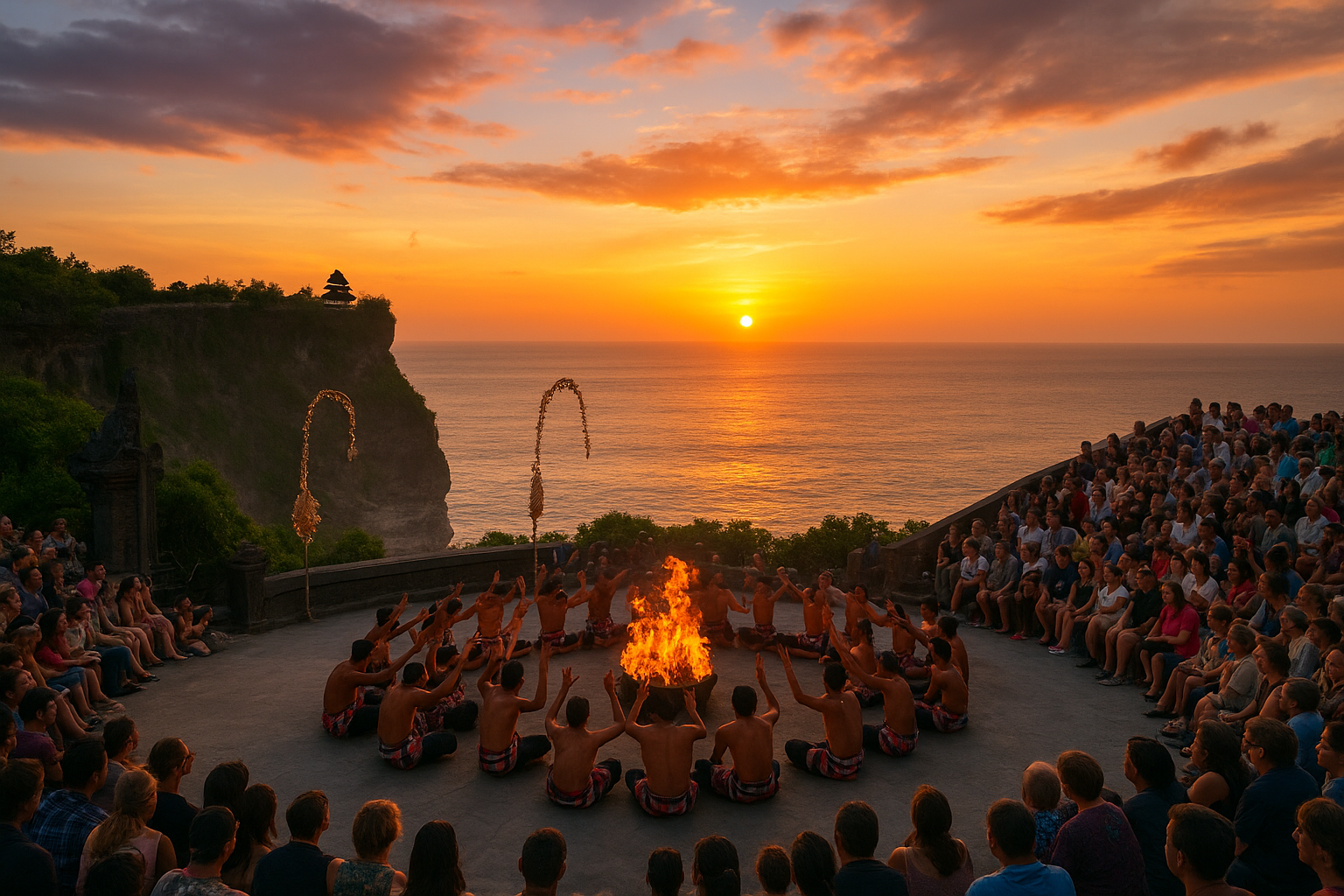
Uluwatu Temple sits on a dramatic clifftop at the southwestern tip of Bali's Bukit Peninsula, roughly 70 meters above the Indian Ocean. Combining a temple visit with the famous Kecak fire dance at sunset makes this one of the most memorable evenings on any list of what to do in Bali.
What you'll do
You'll walk the cliff-edge path surrounding the temple grounds as the sun drops toward the horizon, with unobstructed ocean views stretching out on both sides. At 6 p.m., the Kecak performance begins in an open-air amphitheater carved into the cliff, where a large circle of chanting men perform scenes from the Hindu Ramayana epic against the backdrop of the setting sun. The combination of rhythm, fire, and fading light makes this unlike any cultural performance elsewhere on the island.
Arriving at the amphitheater 30 minutes before the show starts puts you in the best position for an unobstructed sightline without scrambling for a spot at the last minute.
How to do it
Hire a private driver for the afternoon so you arrive by 5 p.m., giving yourself time to walk the temple grounds before the performance. Keep a firm grip on your belongings since the temple's resident monkeys are known for snatching sunglasses, phones, and loose bags from visitors without warning.
Costs and first-timer tips
Temple entry costs around $3 to $5 per person, with Kecak performance tickets running an additional $10 to $15. Buy your ticket directly at the gate on arrival. Wearing a sarong is required to access the temple grounds, and rentals are available at the entrance if you don't bring your own.
11. Beach hop the Bukit Peninsula
The Bukit Peninsula is Bali's southernmost point and holds some of the most visually striking beaches on the island. Unlike the flat, accessible stretches near Seminyak, Bukit beaches sit at the base of limestone cliffs, reached by steep staircases that keep the crowds thinner and the water noticeably cleaner.
What you'll do
You'll spend a day moving between three to four beaches spread across the peninsula, each with a distinct character. Padang Padang is small and sheltered with clear water, best visited on a weekday morning. Bingin sits below a cliff lined with surf warung and offers some of the most photogenic tide pool scenery in southern Bali. Thomas Beach gives you a quieter option with shade and easier access for swimming. Balangan rounds the day out with a long crescent of sand and a reef break worth watching even if you're not surfing.
Covering more than four beaches in one day stretches the driving time and turns the trip into a logistics exercise rather than an actual beach experience.
How to do it
Rent a scooter for the full day and plan your route from north to south so you're working with the sun rather than against it. Each beach requires a short descent by staircase or path, so wear shoes you can walk in before switching to sandals at the water.
Costs and first-timer tips
Most Bukit beaches charge a small entry fee between $1 and $3. Budget around $8 to $15 for lunch at a clifftop warung. This stretch is one of the best answers to what to do in Bali if you want beaches without the southern coast crowds.
12. Photograph Tanah Lot at golden hour
Tanah Lot is one of Bali's most recognizable landmarks, a sea temple perched on a rocky offshore outcrop along the island's southwestern coast. It consistently appears near the top of any guide to what to do in Bali, and the reason is straightforward: the setting is genuinely spectacular, especially in the hour before the sun drops into the ocean.
What you'll do
You'll position yourself along the elevated clifftop viewing area that wraps around the main temple, where the combination of crashing waves, warm light, and the silhouetted shrine gives you one of the strongest compositions available anywhere on the island. The temple itself is only accessible to Hindu worshippers at low tide, but the surrounding paths and viewpoints give non-worshippers a clear and elevated angle that often produces better photographs anyway.
Arriving 45 minutes before sunset gives you time to scout the best vantage point before the light shifts and the crowd builds along the railing.
How to do it
Hire a driver to get you there by 5 p.m. since the complex sits roughly 45 minutes northwest of Seminyak and parking fills up fast on busy evenings. Walk the full perimeter of the clifftop path rather than stopping at the first viewpoint, because the angle from the far southern edge is significantly cleaner and far less crowded.
Costs and first-timer tips
Entry costs around $3 to $5 per person. Move away from the vendor stalls toward the quieter cliff edge to avoid the noise that builds as sunset approaches.
Bring a light layer since the clifftop wind picks up noticeably once the sun drops. Skip the restaurants inside the complex entirely since they charge well above what you'll pay for the same food five minutes down the road.
13. Take a fast boat to Nusa Lembongan
Nusa Lembongan is a small island sitting roughly 11 kilometers off Bali's southeastern coast, and it's one of the most rewarding half-day or overnight escapes on any list of what to do in Bali. The island moves at a different pace entirely, with no private cars, narrow lanes, and water clear enough to see the bottom from the boat on the crossing.
What you'll do
On Lembongan, you'll split your time between snorkeling the coral reefs off the northern beaches, walking the raised wooden bridge across to Nusa Ceningan, and eating fresh grilled fish at open-sided restaurants overlooking the water. Mushroom Bay is the calmest swimming spot on the island, while the clifftop viewpoints above Devil's Tear give you dramatic surf conditions crashing against the rocks below.
Lembongan works equally well as a day trip or an overnight stay, but spending a night lets you catch the island in the early morning before day visitors arrive by boat.
How to do it
Fast boats depart from Sanur Beach on Bali's eastern coast, with crossing times running roughly 30 to 35 minutes. Book your ticket the day before through your accommodation or directly at the Sanur harbor to secure a morning departure.
Costs and first-timer tips
Fast boat tickets run $15 to $25 each way depending on the operator. Once on the island, rent a bicycle or scooter for $5 to $8 to cover the main sights without overpaying for guided tours that add little value on an island this size.
14. Day trip or overnight on Nusa Penida
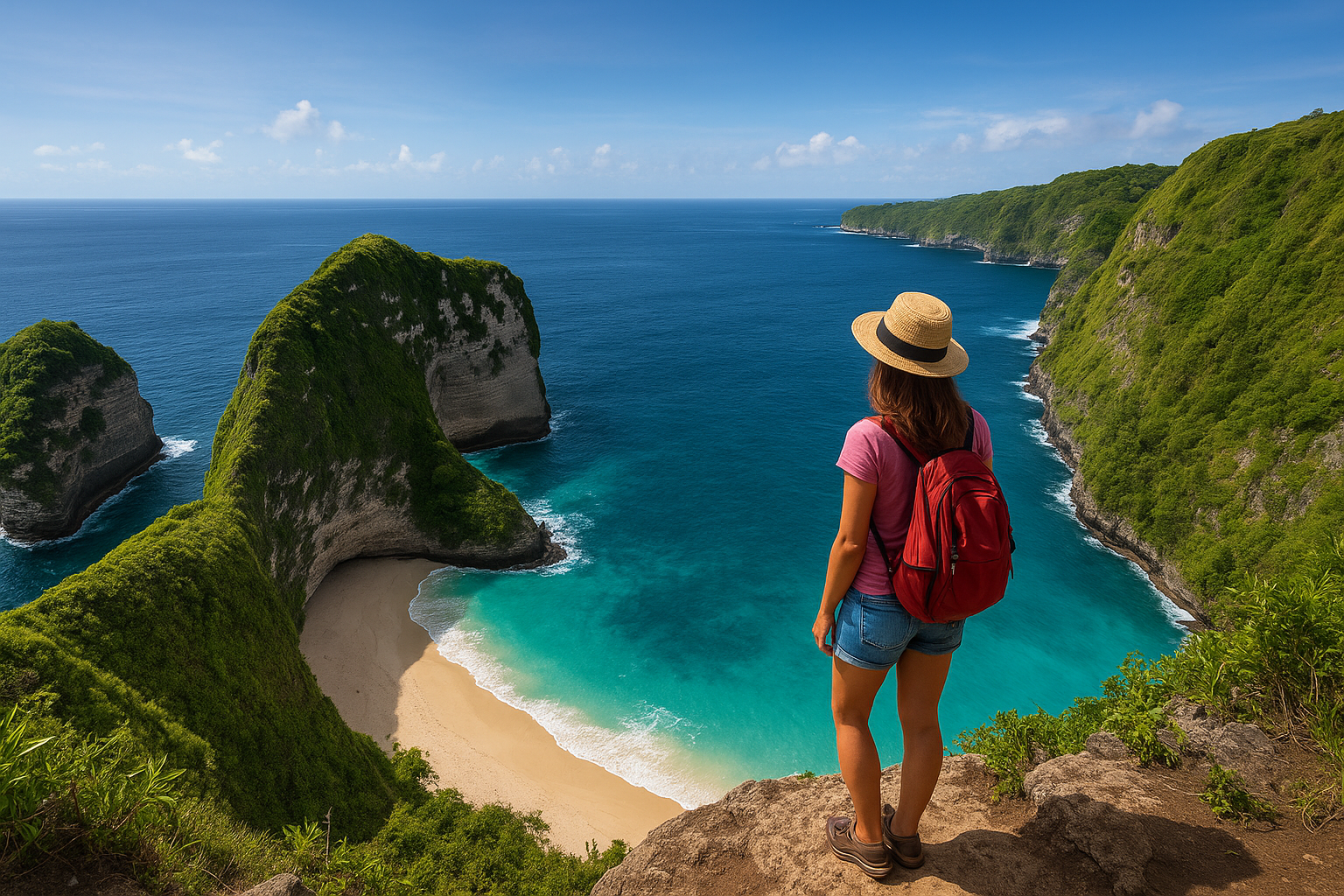
Nusa Penida sits just south of Nusa Lembongan and operates on a completely different scale. Bigger, rawer, and far less developed, it's the island that consistently produces the most dramatic landscape photos you'll see from Bali, and it deserves a dedicated spot on any serious itinerary for what to do in Bali.
What you'll do
The island's western cliffs hold its most iconic viewpoints, including Kelingking Beach, which drops to a narrow stretch of white sand below a pterodactyl-shaped headland that looks almost too sharp to be real. Crystal Bay offers calmer water for swimming, and Angel's Billabong is a natural infinity pool carved into the coastal rock that fills with clear water at low tide. Broken Beach sits directly next to it and adds a dramatic sea arch to the same short walk.
Nusa Penida's roads are rough and navigation is genuinely challenging, so hiring a local driver on the island itself saves significant time and removes most of the frustration.
How to do it
Fast boats from Sanur Beach reach Nusa Penida in roughly 45 minutes. Book your crossing the evening before and arrange an island driver in advance through your Bali accommodation rather than negotiating on arrival, which often results in higher rates and limited vehicle options.
Costs and first-timer tips
Fast boat tickets run $15 to $25 each way, and a local island driver costs around $30 to $45 for a full day. Stay overnight if you want the western viewpoints in morning light, when the cliffs are free of the afternoon haze that flattens the view considerably.
15. Snorkel or dive Tulamben's shipwreck
Tulamben sits on Bali's northeastern coast and holds one of the best accessible dive sites in Southeast Asia. The USAT Liberty, a World War II cargo ship, sank just 30 meters from shore and now rests in shallow water that both snorkelers and certified divers can reach without a boat.
What you'll do
The wreck sits at depths ranging from 3 to 30 meters, which means snorkelers can float directly above the hull and see the coral-covered structure clearly from the surface. Divers descend through dense schools of fish, sea turtles, and hard coral that have colonized the ship's frame over decades. The site rarely requires more than a short swim from the black sand beach, and visibility on calm mornings regularly exceeds 20 meters.
Arriving at the dive site before 7 a.m. puts you in the water before the day-trip groups from Ubud and Seminyak reach Tulamben, which noticeably improves your visibility and the overall experience.
How to do it
Several dive shops operate directly on Tulamben beach and offer both guided dives and snorkel rentals without requiring advance booking. If you're not certified, most shops run introductory discover scuba sessions that take you to shallow sections of the wreck with a guide. For certified divers, bring your certification card since all operators will ask to see it before gearing you up.
Costs and first-timer tips
Snorkel gear rental runs $5 to $8, while a guided dive costs $35 to $55 depending on the operator and equipment included. Tulamben works best as part of a broader northeast Bali day that pairs it with a waterfall or the coastal road toward Amed, making it a strong answer for what to do in Bali when you want to cover more ground efficiently.
16. Eat seafood on the sand in Jimbaran Bay
Jimbaran Bay sits on Bali's southwestern coast and offers one of the most satisfying ways to close out a day on the island. The beach here is lined with open-air seafood restaurants that set tables directly on the sand each evening, where you eat within meters of the water as the sun drops and the fishing boats drift in from the bay.
What you'll do
You'll choose your seafood from market-style displays at the front of each restaurant, selecting whole fish, prawns, squid, and crab priced by weight before they're grilled over coconut husks and served with rice, sambal, and grilled corn. The combination of fresh ingredients, open flame cooking, and the sound of waves a few steps away makes this one of the most straightforward answers to what to do in Bali when you want an evening that requires no planning beyond showing up hungry.
Arriving by 5:30 p.m. lets you claim a table with a clear sightline to the water before the restaurants fill up and the better spots go fast.
How to do it
Walk the length of the Jimbaran beach strip and compare the displays at two or three restaurants before committing. Most restaurants accept walk-ins, but calling ahead during peak season between July and August helps secure a specific table position near the water rather than the back rows closer to the road.
Costs and first-timer tips
Expect to spend $15 to $30 per person for a full seafood spread with drinks included. Confirm the per-kilogram pricing on each item before ordering since rates vary between restaurants along the strip and the difference adds up quickly on a full table order.
Your Bali game plan
Bali rewards travelers who show up with a plan. The 16 experiences in this guide cover the full range of what to do in Bali, from sunrise hikes and temple ceremonies to seafood on the sand and island-hopping by fast boat. Each one delivers something distinct, but stringing them together into a coherent week-long itinerary takes more than a list. The order of your stops, the time of day you arrive at each one, and the distance between them all determine whether your trip flows or frustrates.
That's where NextTrip.Travel comes in. Your trip gets a day-by-day structure built by people who know the island, with confirmed bookings and timing that makes geographic sense. No doubling back across the island, no scrambling for last-minute accommodation in peak season. Just a ready-to-go plan shaped around what you actually want from your time there. Book your Bali itinerary through NextTrip and arrive knowing exactly where you're going.