

If you've ever searched where to eat in Malaysia, you already know the answer isn't simple. This country, Kuala Lumpur especially, serves up one of the most diverse and delicious food scenes in Southeast Asia, spread across dozens of neighborhoods that each bring something different to the table.
The real challenge isn't finding good food here. It's narrowing down where to start. From open-air hawker stalls dishing out RM5 nasi lemak at dawn to refined restaurants tucked inside colonial-era buildings, KL's food neighborhoods each tell their own story through flavor, culture, and tradition. Eating your way through them is one of the best ways to actually experience the city.
At Nexttrip.Travel, we build itineraries around exactly these kinds of moments, the ones where a meal becomes a memory. Our team works with local insiders and travel creators who know which streets to walk, which stalls to line up at, and which neighborhoods reward the curious eater. This guide pulls from that first-hand knowledge to help you plan where to eat when you're on the ground in KL.
Below, you'll find 10 of Kuala Lumpur's best food neighborhoods, each broken down with what to expect, what to order, and why it's worth the visit. Whether you're a street food loyalist or looking for something more polished, there's a neighborhood on this list with your next great meal waiting.
1. NextTrip.Travel
NextTrip.Travel works best as your starting point before you book anything. Rather than piecing together restaurant lists from a dozen different sources, you bring your travel goals to a concierge planner who already knows the neighborhoods, the stalls worth lining up for, and the timing that makes each area work smoothly.
Who this is best for
This service fits travelers who want curated food experiences without spending hours cross-referencing reviews. If you're visiting KL for the first time and want a clear, practical plan, or if you've been before and want to go deeper into neighborhoods you skipped, NextTrip is built for both types of trips.
First-timers especially benefit from having a planner flag which areas suit their pace, budget, and dietary preferences before they even land.
How to use it to plan a KL food-first itinerary
Start by telling your planner that food is the priority for your trip, not just a side activity. From there, you'll get an itinerary that sequences neighborhoods logically so you're not backtracking across the city. Each day gets anchored around a specific food district, with meals, transit, and timing already mapped out for you.
What to share with your planner to get better picks
The more specific you are, the better your picks get. Tell your planner which cuisines interest you most (Malay, Chinese, Indian, or a mix), whether you prefer sitting down or eating while you walk, and any dietary restrictions. If you're already researching where to eat in Malaysia and have a few spots in mind, share those too. Your planner can build around them or suggest better alternatives nearby.
- Cuisine preferences (Malay, Chinese, Indian, fusion)
- Budget per meal (street food vs. sit-down restaurant)
- Dietary needs (vegetarian, halal, gluten-free)
- Neighborhood interests or non-negotiable stops
What a realistic food budget looks like in KL
Street food in KL runs RM5 to RM15 per dish at most hawker stalls. A full sit-down meal at a mid-range restaurant lands between RM30 and RM80 per person, including a drink. Planning three meals a day, a daily food budget of RM80 to RM150 covers you comfortably across most neighborhoods in this guide.
2. Bukit Bintang
Bukit Bintang is KL's most recognizable food and entertainment district, and it earns that reputation. Street food, casual restaurants, and upscale dining all share the same blocks here, which means you can eat well at almost any budget without going far. When people ask where to eat in Malaysia and want one neighborhood that covers everything in a single evening, this one comes up first.
What this area does best
This neighborhood handles variety better than anywhere else in the city. You'll find everything from hawker stalls serving char kway teow and curry laksa to rooftop restaurants with city views. Chinese, Malay, and international options all sit within a short walk of each other, so changing your mind mid-evening costs you nothing but a few minutes on foot.
Where to eat and what to order
Jalan Alor, which runs parallel to Bukit Bintang's main strip, is the go-to for grilled seafood, satay, and wonton noodles after dark. During the day, Lot 10 Hutong in the basement of Lot 10 mall brings together hawker legends from across Malaysia under one air-conditioned roof, a smart pick when heat and rain are a factor.
Lot 10 Hutong is one of the few places where you can sample dishes from multiple regions without leaving a single building.
How to avoid tourist traps here
Stick to stalls and restaurants with visible queues of locals, not the ones with laminated photo menus and staff waving you in from the street. Prices on Bukit Bintang's main drag often run 30 to 50 percent higher than the same dish two streets over.
Best time to go and how to get around
Evenings from 7pm onward bring the most activity to this district. The Bukit Bintang MRT station drops you right at the center of the action, so there's no need to deal with parking or traffic during peak hours.
3. Jalan Alor
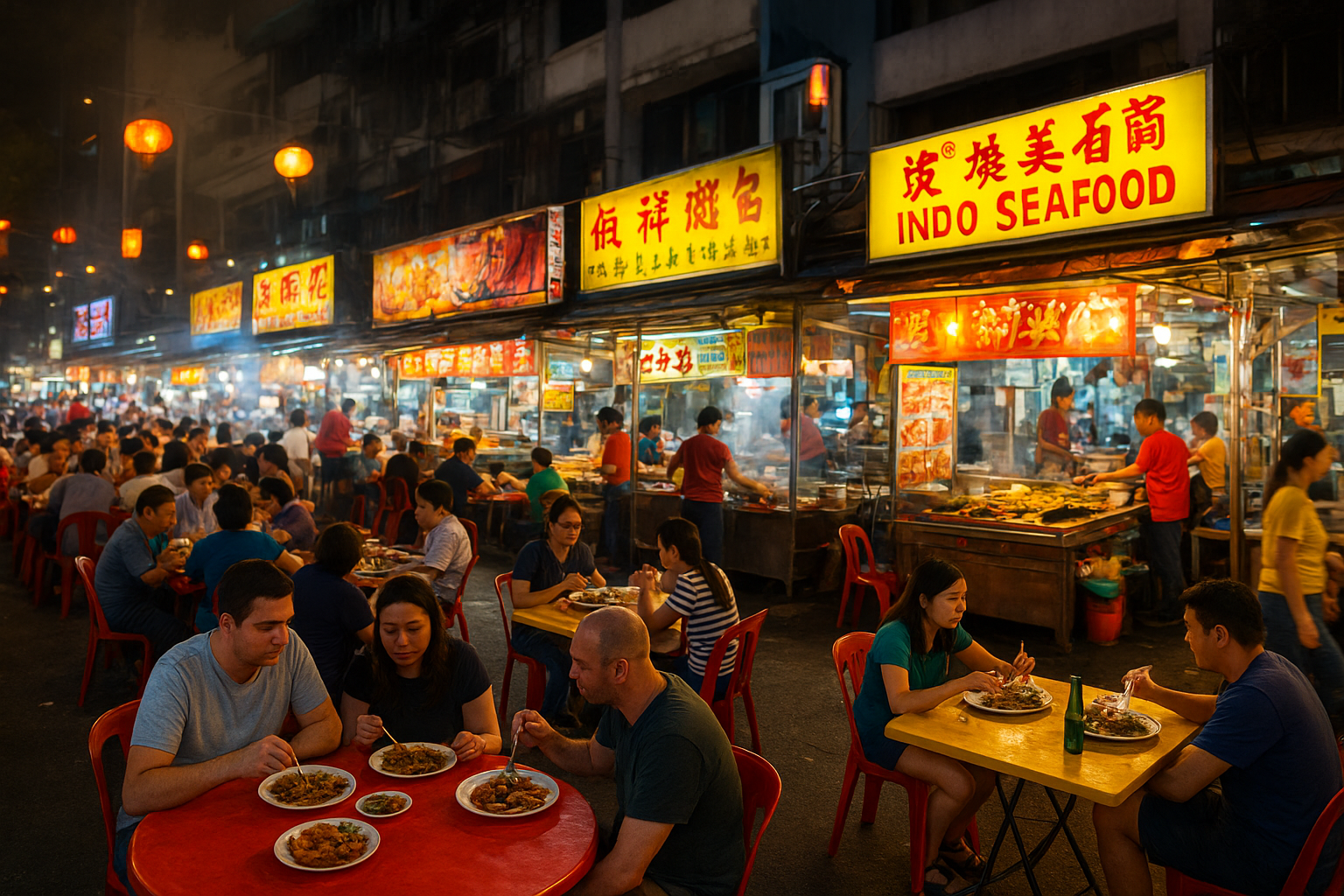
Jalan Alor is the street that comes up in almost every conversation about where to eat in Malaysia. This single block in the heart of Bukit Bintang transforms into an open-air food corridor every evening, packed with rows of plastic tables, wok smoke, and the kind of energy that makes it worth showing up hungry.
What to expect before you go
Jalan Alor runs at full capacity from around 5pm until midnight, and it gets loud and crowded fast on weekends. Go knowing that seating is communal, staff will seat you at whatever table has space, and that's part of how it works here.
Arriving before 7pm gives you easier seating and shorter waits at the most popular stalls.
What to eat and how to order confidently
The standout dishes here are grilled stingray with sambal, BBQ chicken wings, and buttered clams cooked in a thick sauce. Point at what you want or look for a printed menu with photos at each stall. Most staff understand basic English well enough to take your order without issue.
How to pick the right stall
Choose stalls with active woks and continuous turnover, not the ones that have food sitting under heat lamps. A busy stall means fresh ingredients and faster cooking, which makes a real difference with seafood.
Safety, hygiene, and payment tips
Bring small bills in ringgit since most stalls are cash only. Each stall operates independently, so you pay per stall, not at a central cashier.
4. Chinatown and Petaling Street
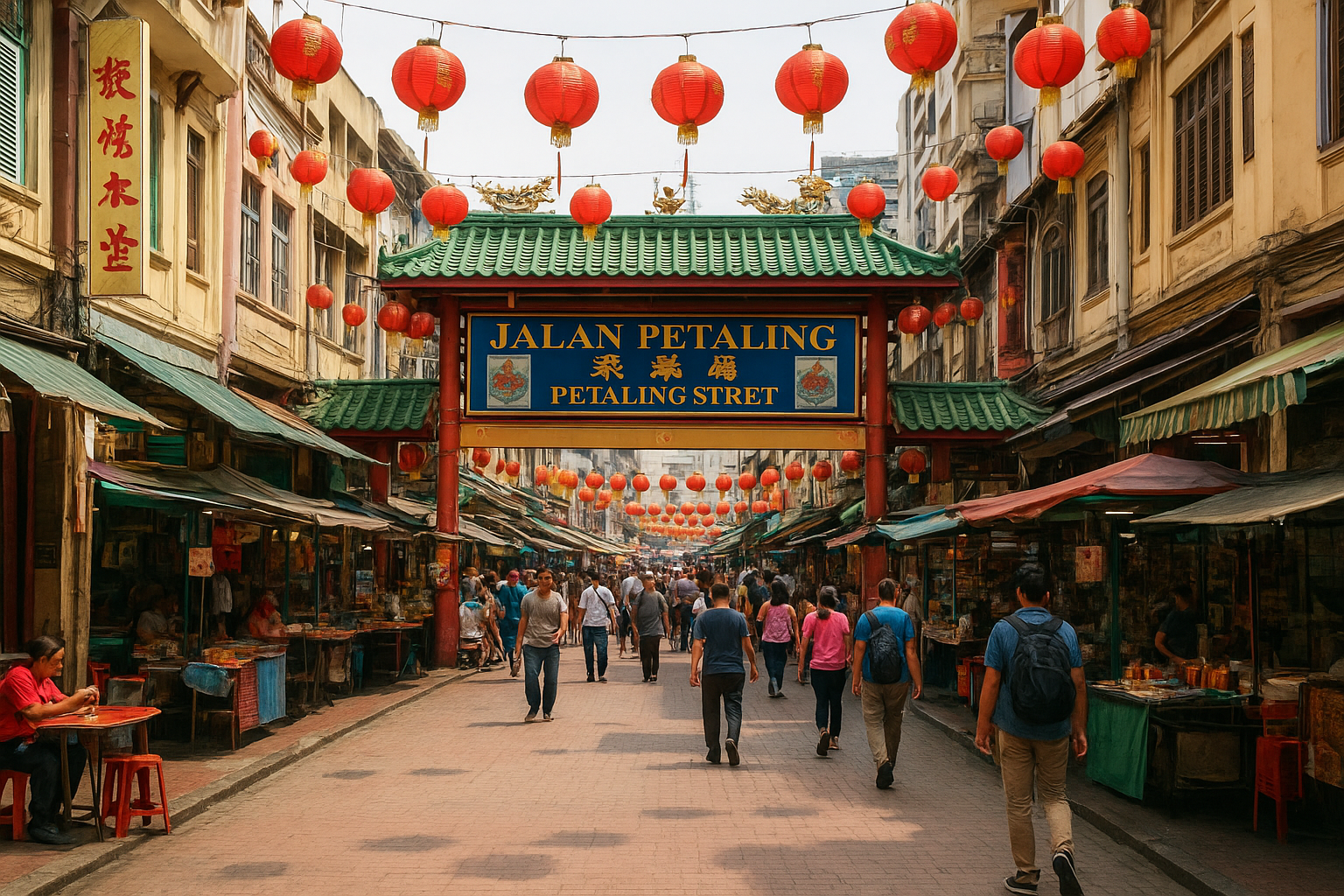
Chinatown sits in the oldest part of KL and gives you a completely different experience from the polished malls and neon-lit strips of Bukit Bintang. The streets here carry decades of food history, and the eating culture reflects that. Anyone asking where to eat in Malaysia who wants authentic Chinese-Malaysian flavors should put this neighborhood near the top of their list.
What this area does best
This area specializes in Cantonese and Hokkien-style cooking that has been refined over generations by families who settled here long before KL became a modern city. The food is hearty, unpretentious, and deeply flavorful.
Where to eat and what to order
Look for pork noodle soup, chee cheong fun, and claypot rice along the main stretch of Petaling Street and the surrounding lanes. Old Town White Coffee has a presence here, but the independent kopitiam shops tucked into the shophouses serve stronger, more interesting coffee at lower prices.
The best meals in this neighborhood often come from spots with no English signage and a line of regulars waiting at the door.
What to do between bites
Walk the covered bazaar section of Petaling Street between meals. It gives you a break from the sun and puts you in the middle of one of KL's most visually interesting street markets.
Best time to go and what to skip
Go in the morning before 10am for breakfast kopitiam culture at its best. Skip the tourist-facing restaurants with photo menus near the entrance to the bazaar, where prices are inflated and quality is inconsistent.
5. KLCC and the city center
KLCC sits at the base of the Petronas Twin Towers and anchors KL's most polished dining corridor. This neighborhood answers a specific question for travelers figuring out where to eat in Malaysia when they want comfort, consistency, and air conditioning all in the same block.
What this area does best
KLCC handles upscale and mid-range dining better than any other neighborhood in this guide. The options here lean more international than local, but that comes with reliable service, English-fluent staff, and menus that cater to most dietary needs without requiring translation.
This area works especially well for travelers on a tighter schedule who need a quality meal without hunting for it.
Where to eat when you want AC and convenience
Suria KLCC mall holds the widest concentration of sit-down restaurants in the city center, ranging from Malaysian chain restaurants to Japanese and Korean spots. Avenue K and Pavilion KL, both within a short walk, add more options if Suria feels crowded during peak lunch hours.
Great quick meals near major sights
The food court on level 2 of Suria KLCC serves nasi lemak, laksa, and economy rice at prices closer to hawker stalls than mall restaurants. It runs fast and gives you a proper local meal without stepping outside the building.
Smart timing to avoid crowds and heat
Eat at 11:30am or after 2pm on weekdays to sidestep the lunch rush that office workers and tourists create simultaneously. Weekends bring heavier traffic throughout the day, so earlier always works better here.
6. Kampung Baru
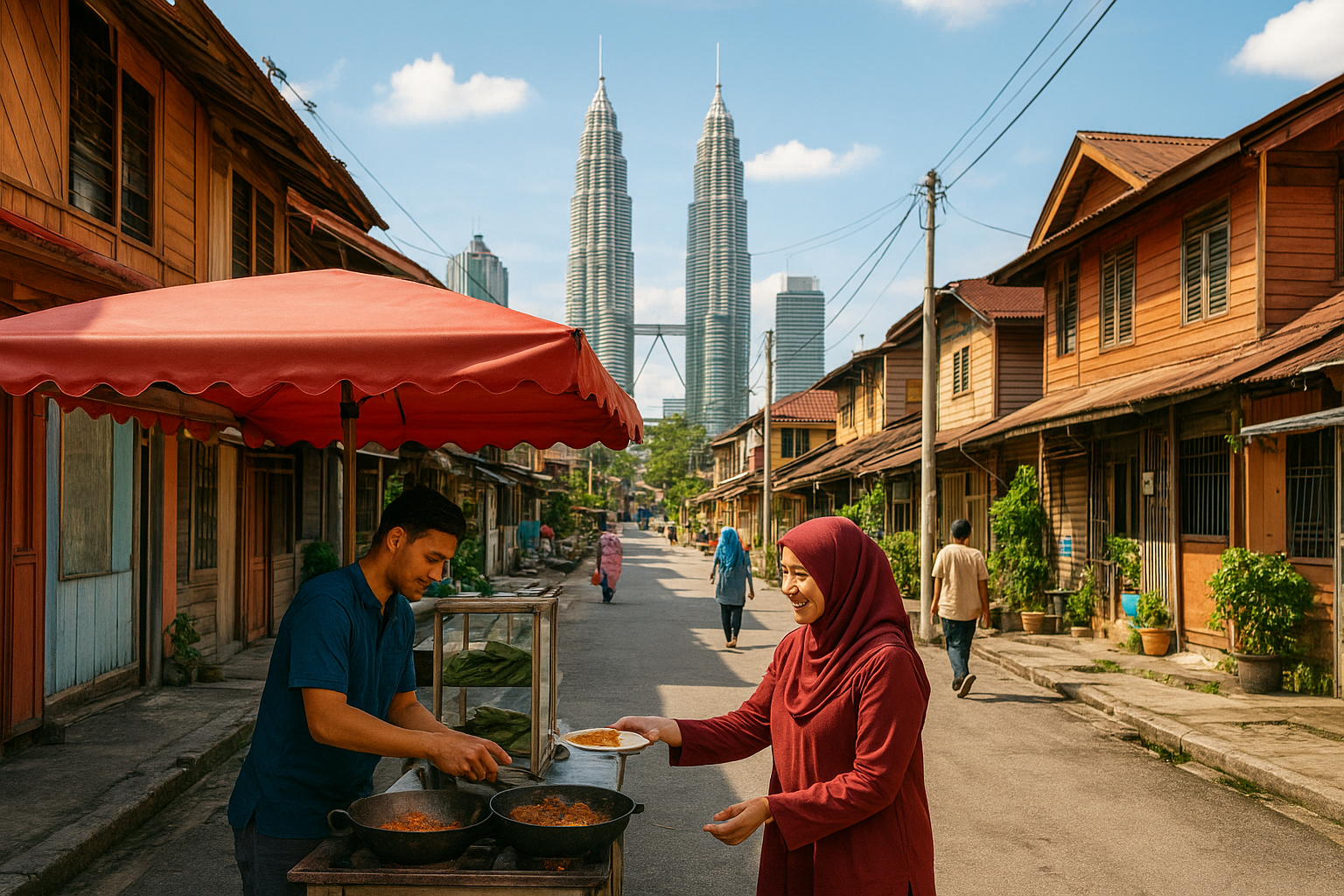
Kampung Baru sits just minutes from the KLCC skyline but feels like a completely different city. This traditional Malay village enclave has held onto its character for over a century, and the food here reflects that. Anyone asking where to eat in Malaysia and wanting authentic Malay home cooking rather than a polished restaurant version of it will find exactly that here.
What this area does best
Kampung Baru specializes in traditional Malay breakfast and supper culture that you won't find replicated anywhere else in the city center. The neighborhood runs on kampung-style cooking, meaning dishes prepared with fresh rempah pastes, coconut milk, and slow-cooked techniques passed down through generations of Malay families who have lived on these streets.
Where to eat and what to order
The main stretch along Jalan Raja Muda Musa holds most of the best stalls. Order nasi lemak wrapped in banana leaf, beef rendang with ketupat, or mee rebus with its thick, sweet-savory gravy. Pasar Minggu, the Sunday night market, brings additional vendors and is worth planning your trip around if your visit falls on a weekend.
Kampung Baru's nasi lemak is widely considered the best version of the dish you can find in KL.
How to handle spice and sambal
Tell the vendor "kurang pedas" (less spicy) if you want a milder portion. Most stalls will adjust without issue. Sambal here tends to run hotter than what you'll encounter at tourist-facing restaurants, so it's worth asking first.
Best time to visit and how to get there
Go between 7am and 10am for breakfast or after 9pm for supper, when the stalls are most active. The KLCC MRT station sits close enough for a short walk, making this neighborhood easy to fold into a morning or evening without rerouting your whole day.
7. Chow Kit
Chow Kit runs differently from the other neighborhoods in this guide. It's raw, working-class, and densely packed with one of KL's largest wet markets, making it a place that rewards travelers who want to see how the city actually functions outside of tourist circuits. For anyone looking at where to eat in Malaysia beyond the standard recommendations, Chow Kit delivers food that locals eat daily without adjusting it for outside visitors.
What this area does best
Chow Kit handles fresh produce, live seafood, and market-adjacent eating better than any other neighborhood on this list. The wet market anchors the entire food culture of the district, and the surrounding stalls reflect that, serving straightforward dishes made from whatever came in fresh that morning.
Where to eat and what to order
The stalls around Jalan Haji Taib and the Chow Kit Market entrance serve some of the city's best nasi campur, a style of eating where you pick individual dishes from a spread and pay by portion. Order asam pedas, fried fish, and ulam (raw herb salad) whenever you spot them on the display.
Nasi campur here gives you more variety per ringgit than almost anywhere else in KL.
Market etiquette and what to buy
Move through the market without blocking the main walkways, especially during morning peak hours when vendors and buyers are actively shifting goods. Buying fresh tropical fruit directly from the vendors here costs a fraction of what you'd pay in a supermarket.
How to plan this stop into a half-day route
Pair Chow Kit with Kampung Baru, which sits nearby, and build your morning around both areas. Start at Chow Kit between 7am and 9am, then take a short Grab ride to Kampung Baru for a proper Malay breakfast before the stalls wind down.
8. Brickfields
Brickfields carries the title of KL's Little India, and the food here backs that up on every block. If you're working through a list of where to eat in Malaysia and haven't included a South Indian meal yet, Brickfields is the place to fix that.
What this area does best
This neighborhood specializes in South Indian cooking, particularly Tamil-style cuisine that has been part of Brickfields' identity since the British colonial era. The food runs rich, aromatic, and deeply spiced, covering everything from rice meals served on banana leaves to roti canai pulled fresh off a flat iron.
Where to eat and what to order
The stretch along Jalan Tun Sambanthan holds the highest concentration of restaurants and street-side stalls. Order a banana leaf rice set, mutton curry, or masala dosa with coconut chutney. Most restaurants serve lunch from 11am onward, and crowds at banana leaf spots peak around noon.
- Banana leaf rice with fish or mutton curry
- Masala dosa with sambar and coconut chutney
- Mutton briyani, especially on Friday afternoons
- Teh tarik at any of the smaller kopitiam stalls nearby
Getting here before 12pm on a weekday usually means shorter waits and fresher rice.
Banana leaf dining basics
Eating on a banana leaf follows a simple protocol: food gets placed directly on the leaf, and you eat with your right hand if you want the full experience. Servers will refill rice and vegetable sides automatically until you fold the leaf over, which signals that you're finished.
Dietary notes for vegetarians and halal travelers
Brickfields is one of the most vegetarian-friendly neighborhoods in KL, with several restaurants running fully plant-based South Indian menus. Halal options exist but are less concentrated here than in Kampung Baru or Chow Kit, so check signage before you order.
9. Bangsar
Bangsar sits a short Grab ride south of the city center and draws a different kind of crowd than most neighborhoods on this list. It's where KL's expat community, young professionals, and food-obsessed locals all land in the same postcode, which has pushed the dining scene here toward quality over volume. If you're still working through your list of where to eat in Malaysia and want something with a bit more polish, Bangsar delivers that without making you feel like you're eating in a hotel.
What this area does best
Bangsar handles modern Malaysian cooking and international dining better than anywhere else in the city. The neighborhood has enough variety to run a full day of eating, from a slow brunch in a plant-filled cafe to a late dinner at a proper restaurant with a wine list.
Where to eat and what to order
Bangsar Village and Telawi Street form the core of the dining scene here. Look for modern interpretations of nasi kerabu and asam laksa at casual restaurants, or go with grilled meats and craft beverages at the bars and bistros that line the quieter side streets.
Telawi Street on a Saturday evening gives you the full range of what Bangsar offers in a single walk.
Best cafes, brunch, and late-night options
The cafe culture here runs strong. Third-wave coffee shops and all-day brunch spots fill the blocks around Bangsar Baru, and most stay open past 10pm on weekends, which makes this neighborhood easy to fit into any schedule.
How to make this neighborhood work on a short trip
Spend two to three hours here, ideally starting late morning. A single meal, a walk through the Bangsar Baru market, and a coffee afterward covers the essentials without rushing any of it.
10. TTDI and Cheras
TTDI (Taman Tun Dr Ismail) and Cheras sit on opposite ends of the city but share something important: both neighborhoods feed locals more than tourists, which means the food here gets less attention than it deserves. If you're still building out your list of where to eat in Malaysia and want to go beyond the standard KL circuit, these two areas add genuine depth to your trip.
What this area does best
TTDI runs on quiet neighborhood eating, the kind of Sunday morning market culture and long-standing kopitiam spots that residents have relied on for years. Cheras, on the other hand, is one of the best places in KL for late-night Chinese food, with wonton noodle shops and seafood restaurants staying open well past midnight.
Where to eat and what to order
In TTDI, the morning market near Lorong Rahim Kajai draws locals for roti canai, nasi lemak, and fresh fruit. In Cheras, look for loh mee, Hokkien mee, and steamed fish at the hawker centers along Jalan Cheras, most of which come alive after 8pm.
Cheras is widely considered one of the most reliable neighborhoods in KL for late-night Chinese hawker food.
Night market game plan
TTDI's night market runs on Thursdays, and it covers a wide stretch of the neighborhood with vendors selling cooked food, fresh produce, and snacks. Arrive before 7pm to get through the best stalls before they sell out.
Transit tips and how to avoid a long backtrack
Both neighborhoods sit outside the main MRT loop, so Grab is the most practical option for getting in and out. Plan each visit as a dedicated stop rather than a quick detour, since doubling back across KL during peak hours adds significant time to your day.
Quick next steps
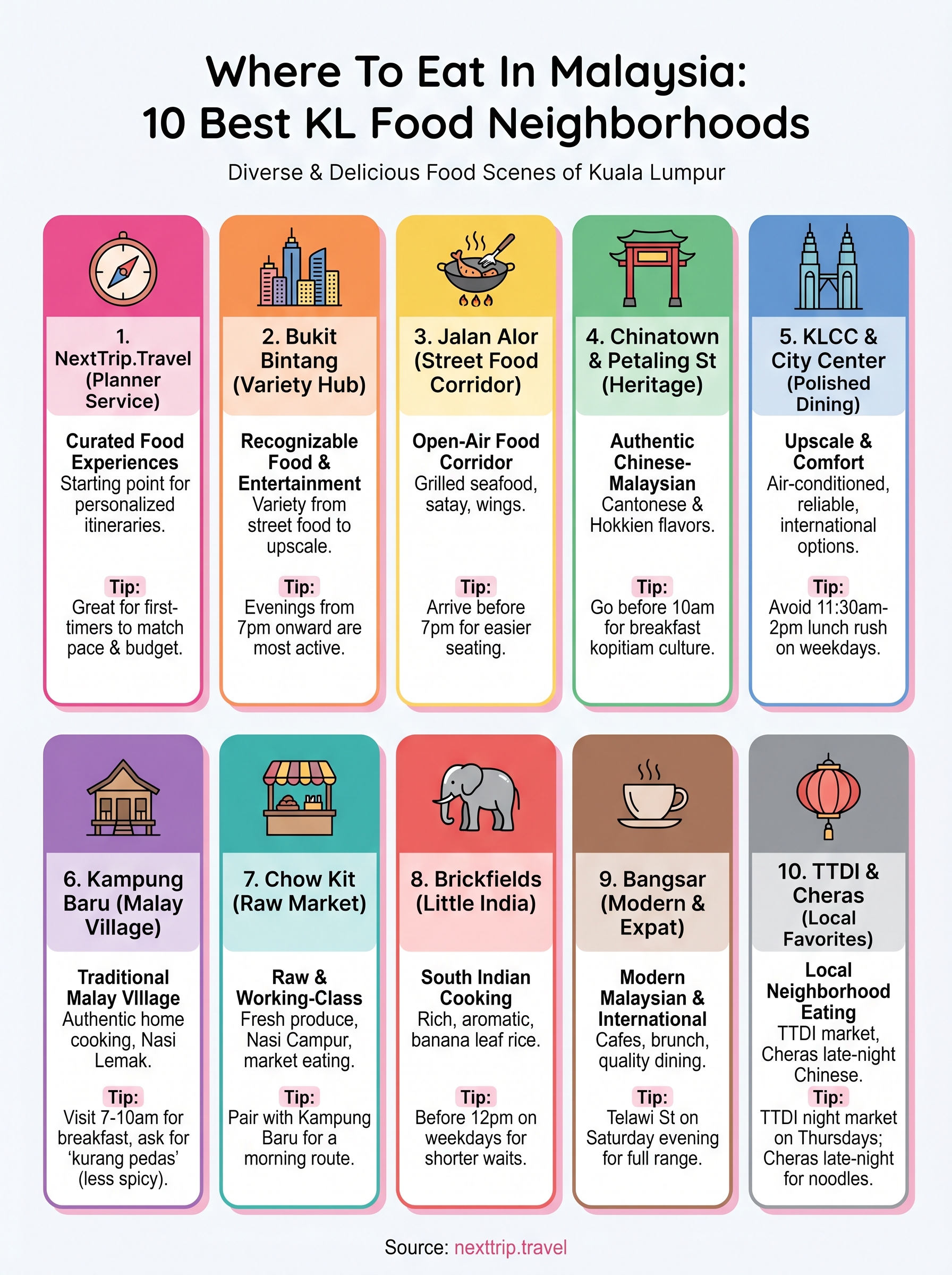
You now have a working map of where to eat in Malaysia, built around the ten neighborhoods that actually define KL's food culture. Each area serves a different mood, budget, and type of traveler, so the smartest approach is to pick three or four that match your trip length and eating style rather than trying to cover all of them in one visit.
Start by locking in your priorities. If Malay breakfast culture and street food matter most to you, anchor your mornings in Kampung Baru and build outward from there. If you want variety within walking distance, Bukit Bintang and Chinatown cover that in a single afternoon.
When you're ready to turn this list into a real itinerary with meals, timing, and transit already figured out, bring your priorities to a planner who knows the city. Plan your KL food trip with NextTrip and skip the guesswork entirely.