

You've found the perfect rooftop bar in Lisbon. The light is golden, the view is unreal, and your phone just… doesn't cut it. That moment right there is exactly why choosing the best camera for travel photography matters more than most travelers realize. The difference between a forgettable snapshot and a photo that stops someone mid-scroll comes down to the gear in your bag.
But here's the problem: the camera market in 2026 is packed. Mirrorless bodies, compact powerhouses, beginner-friendly options, there are hundreds of choices, and not all of them make sense for life on the road. You need something that balances image quality with portability, shoots well in tricky light, and won't weigh you down between flights. That's a specific set of demands, and generic "top 10" lists rarely address them honestly.
At Nexttrip.Travel, we build trips around moments worth capturing, influencer-curated itineraries designed for real experiences and visual storytelling. So we take travel cameras seriously. Our team tested, compared, and consulted working travel creators to put together this list of 12 cameras that actually deliver for travelers in 2026, organized by category so you can find the right match for how you shoot and where you're headed.
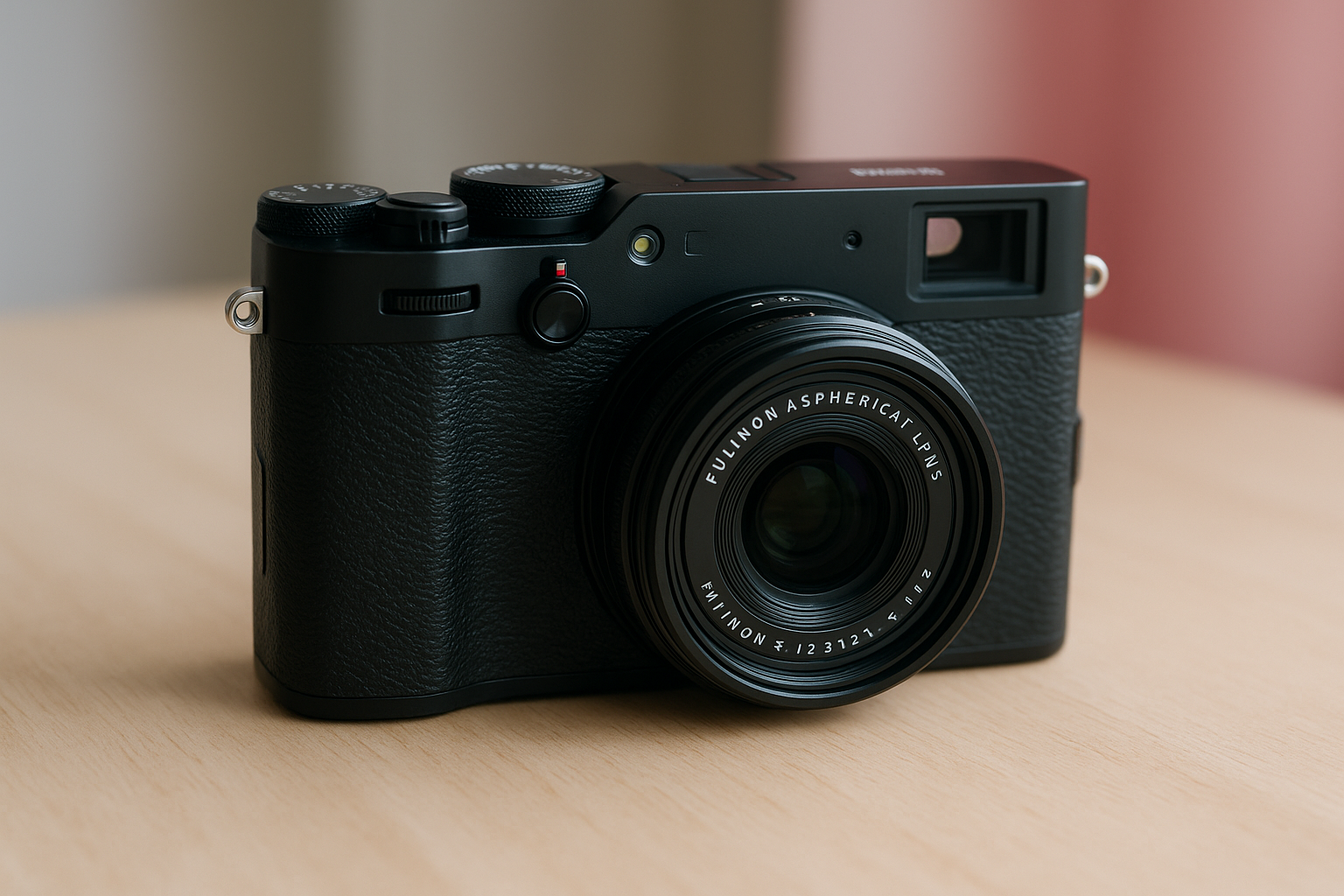
1. Fujifilm X100VI
The Fujifilm X100VI is the camera that defined the compact travel category in 2024 and still holds that title in 2026. It packs a 40-megapixel APS-C sensor into a body small enough to slide into a jacket pocket, and it produces images that compete directly with cameras twice its size. If you have been researching the best camera for travel photography for more than five minutes, you have almost certainly landed on this one. There is a reason for that.
Key strengths for travel photography
The X100VI carries the same X-Trans CMOS 5 HR sensor and X-Processor 5 found in Fujifilm's professional-grade bodies. That combination gives you excellent dynamic range, low-noise performance up to ISO 12800, and Fujifilm's legendary film simulations baked right into the camera. Shooting in Velvia for saturated landscapes or Classic Neg for street scenes means you walk away with finished-looking JPEGs and spend less time editing on your laptop after a long day.
The addition of in-body image stabilization (IBIS) rated at up to six stops changed everything for this camera. Previous X100 versions suffered in low light because there was no stabilization at all. Now you can shoot handheld in dim restaurant interiors, golden-hour alleyways, and night markets without constantly raising the ISO.
The built-in four-stop ND filter is one of the most underrated travel features on any compact camera. It lets you shoot wide open in bright midday sun without overexposing, which means you keep that shallow depth of field even on a beach in Langkawi.
The hybrid viewfinder gives you both an optical and electronic option, so you can frame shots the way you prefer depending on the situation. The weather resistance also matters more than most reviews acknowledge. Shooting in light rain, dusty souks, or humid tropical heat is a real part of travel, and the X100VI handles it without hesitation.
Trade-offs to know before you buy
The fixed 23mm f/2 lens is the defining constraint of this camera. That lens is equivalent to 35mm on a full-frame body, which works beautifully for street photography, environmental portraits, and architecture. But if you need reach for wildlife, sports, or distant subjects, this camera will frustrate you. You cannot swap the lens, and the optional teleconversion adapter adds bulk and reduces some optical quality.
Stock availability has improved since the initial shortage, but demand still runs high. Expect to pay a premium or wait if you want the specific color you're after.
Who should choose it
This camera suits the street photographer, the lifestyle traveler, and the content creator who wants one capable camera instead of a whole kit. If your shooting style is mostly people, food, architecture, and ambient scenes, the X100VI covers everything without compromise.
Typical price in Malaysia
The X100VI retails between RM 5,800 and RM 6,500 depending on the retailer and color variant. Silver tends to be more available than black. Check authorized Fujifilm dealers like MSC or Foto Shangri-La for the most reliable pricing and warranty coverage.
2. Ricoh GR IV
The Ricoh GR series has earned a devoted following among street photographers for decades, and the GR IV continues that tradition with meaningful upgrades over its predecessors. This is one of the most pocketable serious cameras ever made, small enough to fit in your jeans pocket while still delivering full APS-C sensor performance. If discretion and image quality are your two non-negotiables, the GR IV belongs on your shortlist for the best camera for travel photography.
Key strengths for travel photography
The GR IV is built around a high-resolution APS-C sensor paired with a fixed 28mm equivalent lens that renders street scenes with impressive sharpness from edge to edge. Ricoh's snap focus system lets you pre-set a focus distance and shoot instantly without waiting for autofocus to hunt, which means you capture candid moments that a slower camera would miss entirely.
The GR IV's size-to-image-quality ratio is hard to beat. You get full APS-C performance in a body that weighs under 260 grams with the battery inside.
Beyond the snap focus system, the camera delivers enhanced low-light performance and improved in-body stabilization compared to the GR IIIx, making it significantly more capable inside dim restaurants and crowded night markets where travel photography actually happens.
Trade-offs to know before you buy
The fixed 28mm f/2.8 lens suits wide environmental shots and candid street scenes well, but it gives you zero flexibility for compressed backgrounds or subjects at a distance. The autofocus system, while improved, still lags behind Sony and Fujifilm competitors when it comes to tracking moving subjects. There is also no weather sealing on this body, so you need to be careful in rain or dusty conditions.
Who should choose it
The GR IV suits the minimalist traveler and dedicated street photographer who wants APS-C quality without carrying a bag full of gear. If you value being inconspicuous over shooting versatility, this camera fits your style perfectly.
Typical price in Malaysia
Expect to pay between RM 4,200 and RM 4,800 at authorized retailers. Import pricing can shift, so compare across established camera dealers in Kuala Lumpur before committing to a purchase.
3. Sony RX100 VII
The Sony RX100 VII occupies a unique space in the compact camera market. It packs a 1-inch 20.1-megapixel sensor into a body small enough for a shirt pocket, and it pulls autofocus technology directly from Sony's professional Alpha lineup. For travelers who want genuine camera performance without committing to interchangeable lenses, the RX100 VII stays one of the strongest entries in the best camera for travel photography category.
Key strengths for travel photography
The RX100 VII brings Real-time Eye AF and Real-time Tracking down from Sony's mirrorless bodies into a compact form factor. That autofocus system locks onto subjects fast and holds focus reliably through busy market scenes and candid street moments. The camera also fires at up to 20 frames per second with continuous autofocus, giving you burst shooting capability that most compacts simply cannot match.
The built-in 24-200mm zoom range covers everything from wide environmental shots to compressed telephoto portraits, which means you can leave additional lenses at the hotel entirely.
The pop-up electronic viewfinder helps you shoot in harsh midday sunlight without fighting screen glare, and the tilting LCD makes low-angle framing far more practical than it sounds until you actually need it.
Trade-offs to know before you buy
The 1-inch sensor, while capable, falls behind APS-C competitors when light drops and noise becomes visible at higher ISO settings. The zoom lens design also means you sacrifice optical sharpness at the edges compared to prime lens cameras like the X100VI or GR IV. Battery life runs modest at best, so pack at least one spare if you plan to shoot a full day without access to charging.
Who should choose it
The RX100 VII suits the versatile traveler who needs zoom range in a pocket-sized body. If you shoot everything from wide landscapes to street portraits and want one compact camera that handles all of it without swapping lenses, this camera delivers that flexibility cleanly.
Typical price in Malaysia
The RX100 VII typically retails between RM 4,500 and RM 5,200 at authorized Sony dealers. Check Sony Centre locations or established camera retailers in Kuala Lumpur for reliable pricing and local warranty coverage.
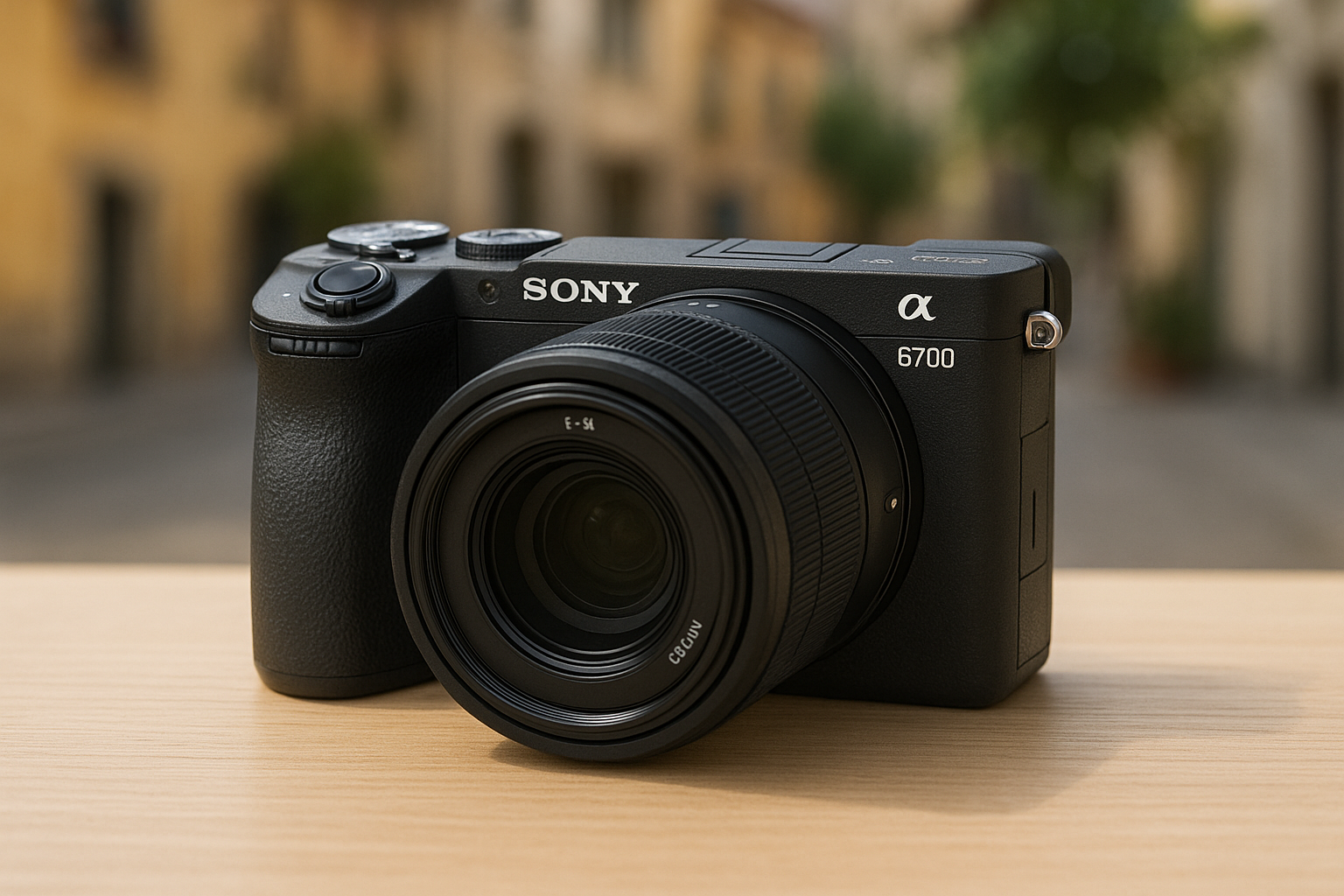
4. Sony a6700
The Sony a6700 is the best APS-C mirrorless option Sony currently makes, and it closes the gap between compact cameras and full-frame bodies in ways that matter directly to travel photographers. Sony packed AI-powered autofocus, in-body image stabilization, and a 26-megapixel BSI-CMOS sensor into a body that fits comfortably in a small shoulder bag, making it a serious contender for the best camera for travel photography in 2026.
Key strengths for travel photography
The a6700 runs Sony's AI subject recognition autofocus, which tracks humans, animals, vehicles, and birds with a level of accuracy that was reserved for full-frame Alpha bodies just two years ago. That capability makes a real difference when you are shooting in busy street scenes, on moving boats, or during fast-paced cultural events where subjects do not wait for your camera to focus.
The five-axis IBIS rated at five stops of compensation means you can shoot sharp handheld images in dim temples, evening markets, and low-light interiors without reaching for a tripod.
Beyond stills, the a6700 shoots 4K video at up to 120 frames per second, which gives you slow-motion footage without needing a separate video camera. The weather sealing also holds up across humid tropical climates and dusty overland routes, which matters when you are actually traveling rather than shooting in controlled conditions.
Trade-offs to know before you buy
The a6700 ships as a body-only purchase, which means you need to budget for lenses separately. The Sony E-mount ecosystem is extensive, but quality glass adds significant cost and weight. The camera also lacks a built-in flash, which some photographers find limiting in certain situations. Battery performance is solid but not exceptional, so carrying a spare battery on long shooting days is a practical necessity.
Who should choose it
The a6700 fits the active traveler and content creator who wants interchangeable lens flexibility without stepping up to a heavier full-frame system. If you shoot a mix of stills and video across varied conditions, this camera handles both without asking you to compromise.
Typical price in Malaysia
The a6700 body alone retails between RM 4,600 and RM 5,100 at authorized Sony dealers. Bundled kit lens options are available through Sony Centre locations and established camera retailers across Kuala Lumpur.
5. Fujifilm X-T50
The Fujifilm X-T50 is the smallest and lightest body Fujifilm has built around the 40-megapixel X-Trans CMOS 5 HR sensor, and that combination makes it one of the most compelling interchangeable lens options for travelers who want serious image quality without the bulk. If the X100VI's fixed lens frustrates you but you still want Fujifilm's color science and film simulations in a compact mirrorless package, the X-T50 deserves a close look as one of the best cameras for travel photography available right now.
Key strengths for travel photography
The X-T50 shares its 40-megapixel sensor and X-Processor 5 engine with Fujifilm's higher-end X-T5, which means you get the same core image quality in a body that weighs just 438 grams with the battery. That output gives you enormous room to crop tight, recover shadow detail, and print large without degrading the image.
The dedicated film simulation dial on the top plate lets you switch between Fujifilm's color profiles physically, which means you spend less time digging through menus and more time shooting.
The camera also introduces seven-stop in-body image stabilization, a significant step up from previous X-series bodies, making it far more capable in the low-light situations that define real travel photography.
Trade-offs to know before you buy
The X-T50 lacks weather sealing, which separates it from the X-T5 and limits your confidence shooting in rain or sandy coastal environments. The autofocus system performs well with stationary subjects but struggles more than Sony equivalents when tracking fast-moving people through crowded scenes. You also need to budget separately for lenses, which adds cost and weight to your overall kit.
Who should choose it
The X-T50 suits the photography enthusiast and dedicated visual storyteller who wants to build a compact Fujifilm system without paying X-T5 prices. If you value image quality and film simulation rendering above tracking autofocus and weather protection, this camera fits your priorities well.
Typical price in Malaysia
The X-T50 body retails between RM 3,800 and RM 4,300 at authorized Fujifilm dealers. Kit lens bundles with the 15-45mm are available for slightly more and represent reasonable value if you are starting your Fujifilm lens collection from scratch.
6. OM System OM-3
The OM System OM-3 makes a strong case for the Micro Four Thirds format in a travel photography context. It pairs a 20.4-megapixel sensor with one of the most capable weather-sealing systems in its class, giving you a compact mirrorless body that handles conditions that would rattle owners of more fragile cameras. For photographers who prioritize durability and portability over raw sensor size, the OM-3 sits comfortably among the best cameras for travel photography available today.
Key strengths for travel photography
Durability is where this camera separates itself from the competition. The OM-3 carries IP53 dust, splash, and freeze protection, which means you shoot confidently in tropical downpours, dusty overland routes, and cold mountain environments without babying your gear. That level of protection, combined with a body weight under 365 grams, makes it genuinely practical for multi-week travel where conditions vary unpredictably.
Beyond weather sealing, the camera delivers up to 7.5 stops of in-body image stabilization when paired with compatible lenses, which ranks among the best stabilization figures of any mirrorless camera at this price point. Handheld shooting in low light, at night markets, and inside dimly lit temples becomes far more reliable as a result.
The Handheld High Resolution mode composites multiple frames to produce an 80-megapixel image without a tripod, which is genuinely useful when you want maximum detail from a stationary scene.
Trade-offs to know before you buy
Sensor size is the main limitation here. The Micro Four Thirds format gathers less light than APS-C or full-frame competitors, which means high ISO performance falls noticeably behind Sony and Fujifilm equivalents at the same price. If you shoot heavily in dim conditions without relying on IBIS, you will see more noise in the shadows.
Who should choose it
Adventure travelers and outdoor photographers who need a weather-sealed compact system will find the OM-3 hard to beat. If durability and stabilization rank above absolute low-light performance on your priority list, this camera fits your travel style well.
Typical price in Malaysia
Authorized OM System dealers in Malaysia price the OM-3 body between RM 3,800 and RM 4,400. Bundled kit options with the 12-45mm f/4 Pro lens offer better overall value if you are building a weather-sealed system from the start.
7. Sony a7CR
The Sony a7CR is the answer for photographers who want full-frame image quality without committing to the size and weight of a traditional full-frame body. Sony took its 61-megapixel BSI-CMOS sensor and squeezed it into a body that weighs just 515 grams, making it the most portable full-frame mirrorless camera Sony has produced. For the quality-focused traveler researching the best camera for travel photography, the a7CR offers a compelling step up from APS-C without the bulk penalty.
Key strengths for travel photography
The 61-megapixel sensor delivers extraordinary detail and dynamic range, giving you significant room to crop, recover highlights, and print large without softening the image. Sony's AI-powered autofocus with Real-time Eye AF and subject tracking performs reliably across portraits, street scenes, and candid travel moments, pulling from the same detection engine found in Sony's flagship Alpha bodies.
That resolution advantage also means you can shoot wide and crop aggressively in post, effectively getting multiple focal lengths from a single prime lens setup.
The a7CR also supports 4K video recording and comes with five-axis in-body image stabilization, so handheld low-light shooting inside temples or evening markets produces sharp results without needing a tripod.
Trade-offs to know before you buy
The a7CR carries a premium price tag that separates it clearly from APS-C alternatives on this list. The compact body design also means limited physical control dials compared to Sony's larger Alpha bodies, which some photographers find frustrating when trying to adjust settings quickly in the field. Battery life runs on the shorter side for a full-frame camera, so carrying a spare is a practical necessity on long shooting days.
Who should choose it
The a7CR suits the serious photographer and professional content creator who needs full-frame resolution in a travel-friendly form factor. If image quality is your primary concern and budget is not the limiting factor, this camera delivers at a level few compact alternatives can match.
Typical price in Malaysia
The a7CR body retails between RM 12,000 and RM 13,500 at authorized Sony dealers and Sony Centre locations across Malaysia.
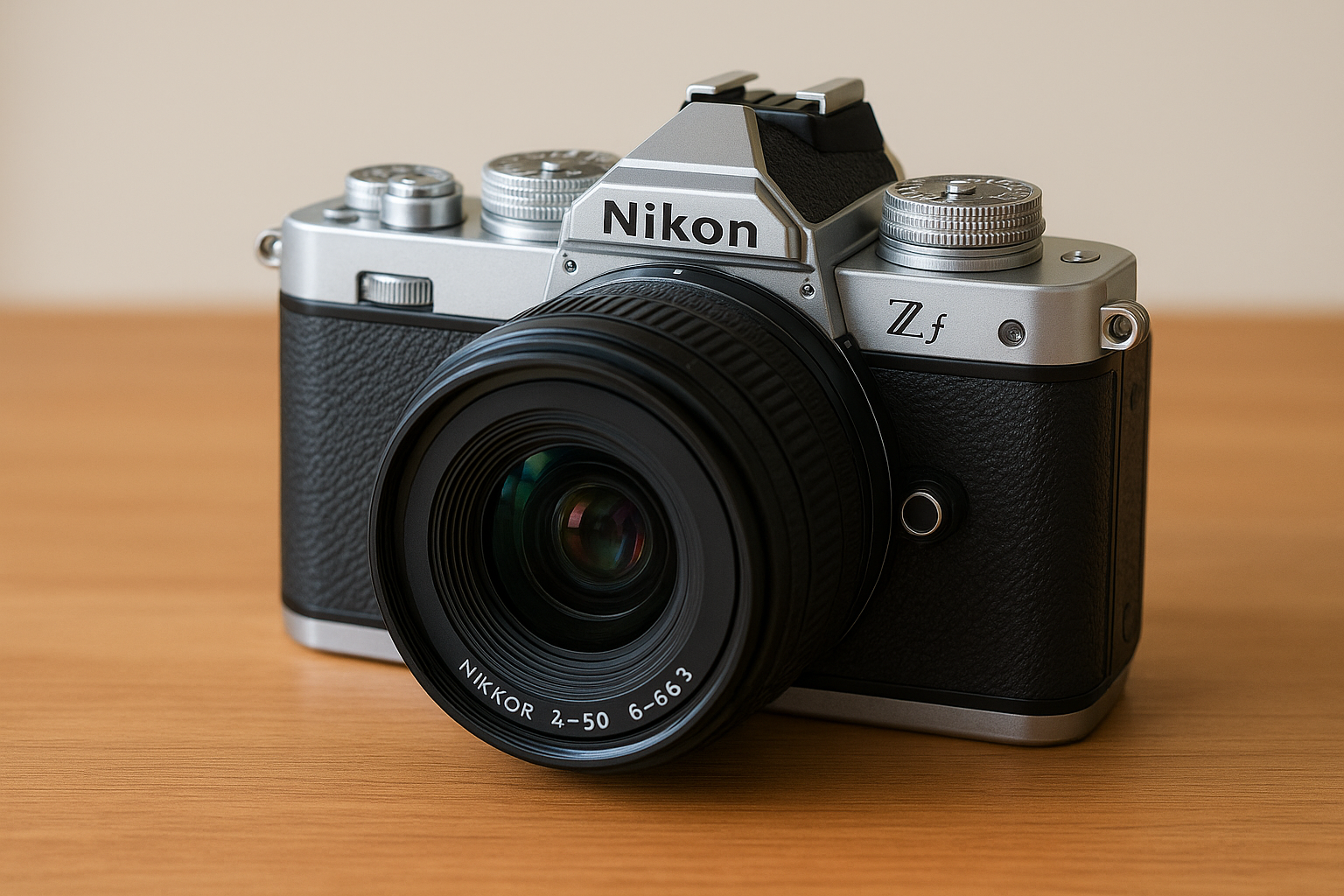
8. Nikon Zf
The Nikon Zf takes a different approach to full-frame mirrorless than most cameras on this list. Instead of chasing the smallest possible body, Nikon designed the Zf around a retro aesthetic inspired by the classic Nikon FM2 film camera, pairing that vintage look with a modern 24.5-megapixel full-frame BSI-CMOS sensor. The result is a camera that photographs beautifully and draws far less attention in the field than a typical professional-looking mirrorless body, which makes it worth considering when you research the best camera for travel photography.
Key strengths for travel photography
The Zf delivers eight stops of in-body image stabilization, one of the highest-rated IBIS systems on any full-frame camera at this price point. That level of stabilization makes a practical difference when you shoot inside dimly lit temples, winding night markets, or golden-hour alleyways where shutter speeds drop and camera shake becomes a real concern.
The full-frame sensor gives you noticeably better high-ISO performance than any APS-C camera on this list, which means cleaner shadow detail and lower visible noise when natural light runs short.
Nikon also built weather sealing into the Zf body, so shooting in light rain or humid coastal conditions does not require wrapping your camera in a plastic bag. The physical dials for shutter speed, ISO, and exposure compensation sit on top of the camera and let you adjust settings without navigating menus, which keeps you shooting instead of scrolling.
Trade-offs to know before you buy
The Zf's retro body design means smaller grip depth, which becomes noticeable when you mount larger Z-mount lenses and shoot for extended periods. Autofocus performance is competent but trails Sony's subject-tracking system in fast or unpredictable movement scenarios. Budget separately for lenses, as the body-only pricing does not include glass.
Who should choose it
The Zf suits the photography enthusiast who wants full-frame image quality wrapped in a travel-friendly design that attracts minimal attention on the street. If IBIS performance and sensor capability matter more to you than autofocus speed, this camera fits your priorities well.
Typical price in Malaysia
The Nikon Zf body retails between RM 6,500 and RM 7,200 at authorized Nikon dealers across Malaysia.
9. Leica D-Lux 8
The Leica D-Lux 8 sits in a category of its own among compact travel cameras. It combines a 17-megapixel Micro Four Thirds sensor with a DC Vario-Summilux 24-75mm equivalent f/1.7-2.8 lens inside a compact metal body that photographs as distinctively as the images it produces. If brand heritage and optical quality matter to you when selecting the best camera for travel photography, the D-Lux 8 is difficult to ignore.
Key strengths for travel photography
The D-Lux 8's f/1.7 maximum aperture at the wide end separates it immediately from most compact zoom cameras. That wide aperture lets you shoot in genuinely low light situations, including dimly lit restaurants, evening markets, and candid street scenes, without pushing ISO settings to the point where noise degrades the image.
The Vario-Summilux lens produces a signature rendering quality that Leica photographers specifically seek out, with smooth background separation and strong center sharpness across the zoom range.
Beyond optical performance, the built-in four-stop ND filter gives you control over exposure in bright midday conditions without adding accessories to your bag. The camera also supports USB-C charging, which simplifies power management when you are traveling with a single charging cable for multiple devices.
Trade-offs to know before you buy
The D-Lux 8 carries a premium price that places it well above compact competitors with similar or larger sensors. The Micro Four Thirds sensor also limits low-light ceiling compared to APS-C alternatives like the X100VI or GR IV, so high-ISO shooting above 3200 shows more visible noise than you might expect from a camera at this price point.
Who should choose it
The D-Lux 8 suits the style-conscious traveler and Leica enthusiast who values optical character and build quality over raw sensor performance. If you want a compact camera that looks and feels premium from the moment you pick it up, this camera delivers that experience consistently.
Typical price in Malaysia
The D-Lux 8 retails between RM 6,200 and RM 7,000 at authorized Leica dealers and select premium camera retailers in Kuala Lumpur.
10. Canon PowerShot G7 X Mark III
The Canon PowerShot G7 X Mark III earned its reputation as a vlogger's compact camera, but its 1-inch 20.1-megapixel sensor and pocketable form factor also make it a practical still photography tool for travelers who want more than a smartphone can deliver. Canon positions this camera directly at creators who need both stills and video capability in a single compact body, and that balance lands it among the contenders for best camera for travel photography in 2026.
Key strengths for travel photography
The G7 X Mark III's most distinctive feature is its fully articulating LCD screen that flips up 180 degrees for self-facing video and vlogging shots. That design choice makes it one of the most practical compact cameras available if you travel solo and want to document your own journey without asking strangers to hold your camera. Canon also built in direct live streaming to YouTube, which no other camera on this list handles natively out of the box.
The f/1.8 maximum aperture combined with a built-in ND filter gives you flexible exposure control across bright outdoor conditions while maintaining background separation in portrait and food shots.
Continuous shooting at up to 20 frames per second and reliable face-detection autofocus make candid moments easier to capture cleanly, even when your subjects move unpredictably through a crowded street scene or busy night market.
Trade-offs to know before you buy
Like the RX100 VII, the 1-inch sensor hits real limits when available light drops significantly. High-ISO images above 3200 show noise that APS-C alternatives handle more cleanly. The camera also lacks optical in-body image stabilization, relying instead on digital stabilization for video, which degrades image quality slightly during handheld shooting.
Who should choose it
The G7 X Mark III suits the solo traveler and travel vlogger who wants a compact camera built around self-documentation. If video capability and the flip screen matter more to you than raw image quality at high ISO, this camera fits that brief cleanly.
Typical price in Malaysia
The G7 X Mark III retails between RM 2,800 and RM 3,300 at authorized Canon dealers across Malaysia.
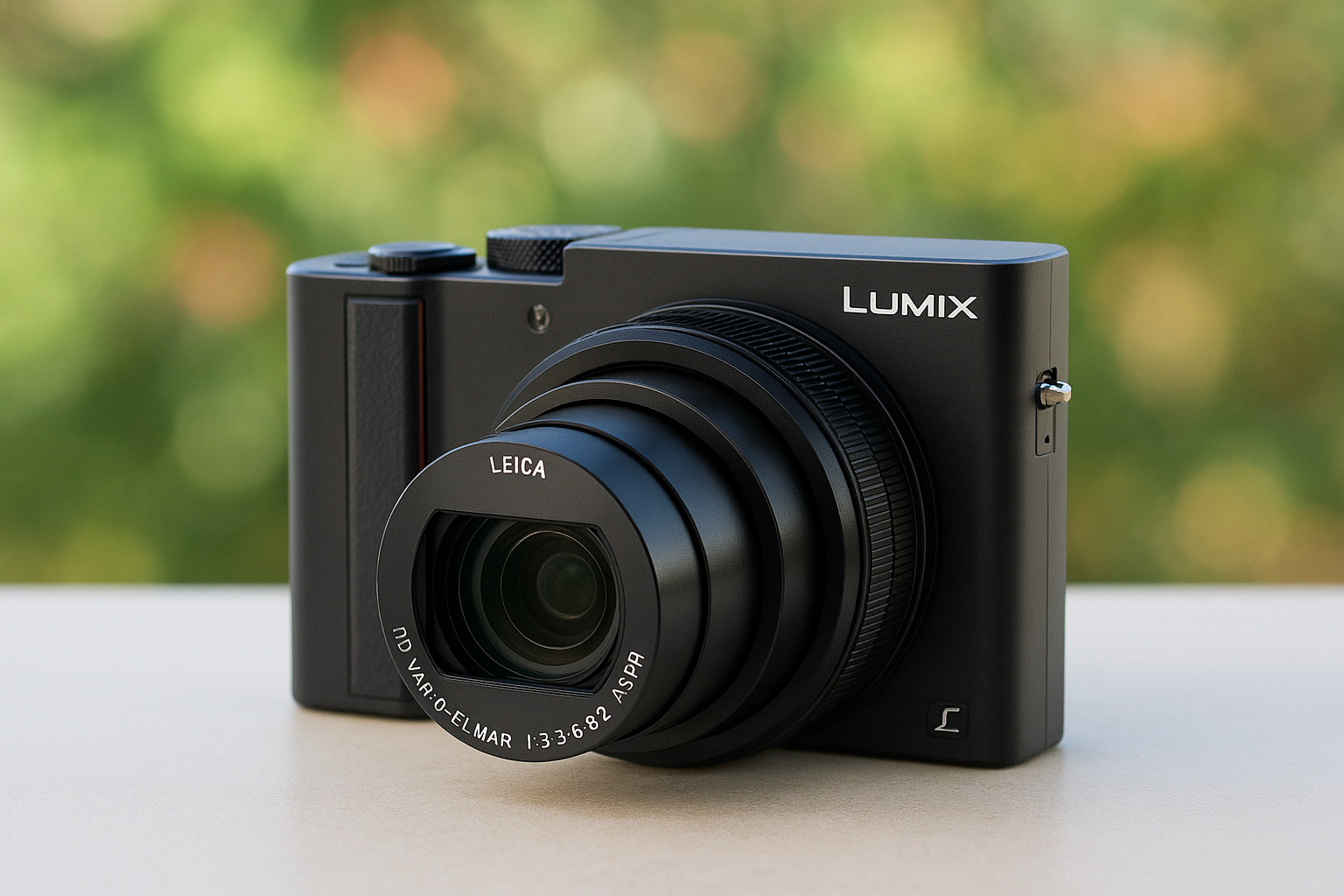
11. Panasonic Lumix TZ200
The Panasonic Lumix TZ200 takes a different approach to the travel compact category by prioritizing zoom range above almost everything else. Built around a 1-inch 20.1-megapixel sensor and a 15x optical zoom lens covering a 24-360mm equivalent focal range, this camera handles distant subjects in a way that no fixed-lens compact on this best camera for travel photography list can match. For travelers who shoot wildlife, distant architecture, or mountain scenery, that reach changes what you walk away with.
Key strengths for travel photography
The TZ200's defining strength is its 15x optical zoom packed into a body that slips into a coat pocket. Most travel compacts force you to choose between portability and reach. This camera gives you both without requiring a second lens or a larger bag. The built-in electronic viewfinder also helps with composition in bright outdoor conditions where tilting screens become difficult to read, which is a practical advantage across tropical destinations where midday sun reflects harshly off any LCD panel.
That zoom range of 24-360mm covers everything from wide coastal landscapes to tightly framed portraits shot from a comfortable distance without crowding your subject.
Panasonic also included 4K video recording and 4K photo mode, which lets you extract high-resolution still frames from footage during fast-moving scenes. That combination adds flexibility when you switch quickly between stills and video during a single busy day of travel.
Trade-offs to know before you buy
The TZ200 is not the strongest performer on this list when available light drops significantly. The 1-inch sensor produces acceptable images up to around ISO 1600, but noise becomes clearly visible beyond that ceiling in ways that APS-C alternatives handle more cleanly. The lens aperture also narrows considerably at the longer end of the zoom range, which compounds the low-light limitation exactly when you need reach most.
Who should choose it
The TZ200 suits the zoom-focused traveler who photographs wildlife, distant architecture, and events where physically closing the distance to your subject is not practical. If telephoto reach in a pocketable body is your core requirement, this camera fills that brief better than anything else on this list.
Typical price in Malaysia
The Lumix TZ200 retails between RM 2,500 and RM 3,000 at authorized Panasonic dealers and established camera retailers across Malaysia.
12. DJI Osmo Pocket 3
The DJI Osmo Pocket 3 occupies a category that none of the other cameras on this list touch. It is not a traditional still photography camera. Instead, it is a compact 3-axis gimbal camera built around a 1-inch CMOS sensor, designed primarily for travelers who want smooth, cinematic video footage without carrying a gimbal and a separate camera body. For content creators who document their journeys through video rather than stills, the Osmo Pocket 3 stands out as a legitimate entry in any best camera for travel photography conversation.
Key strengths for travel photography
The Osmo Pocket 3 shoots 4K video at up to 120 frames per second, which gives you slow-motion capability without needing a dedicated cinema camera. The integrated three-axis mechanical gimbal stabilizes your footage in real time, so even footage captured while walking through crowded markets or on moving boats comes out steady and usable. That stabilization quality is simply not something software-based alternatives replicate convincingly.
The rotating 1.4-inch OLED touchscreen makes framing straightforward whether you are shooting forward-facing travel scenes or turning the camera toward yourself for direct-to-camera content.
The camera also includes ActiveTrack subject tracking, which locks onto a person and follows them through a frame without any manual adjustment, a practical feature when you are traveling solo and setting the camera down to document yourself in the scene.
Trade-offs to know before you buy
The Osmo Pocket 3 is optimized for video rather than stills, and still image performance reflects that priority. High-ISO still shots show noise and limited dynamic range compared to the APS-C and full-frame options on this list. If stills represent the majority of your travel photography, this camera will not satisfy that need.
Who should choose it
The Osmo Pocket 3 suits the video-first travel creator who wants cinematic footage in a compact body. If your content lives on video platforms and smooth footage matters more than still image quality, this camera fills that role without compromise.
Typical price in Malaysia
The Osmo Pocket 3 retails between RM 2,200 and RM 2,600 at authorized DJI dealers and established electronics retailers across Malaysia.
A simple way to choose and move on
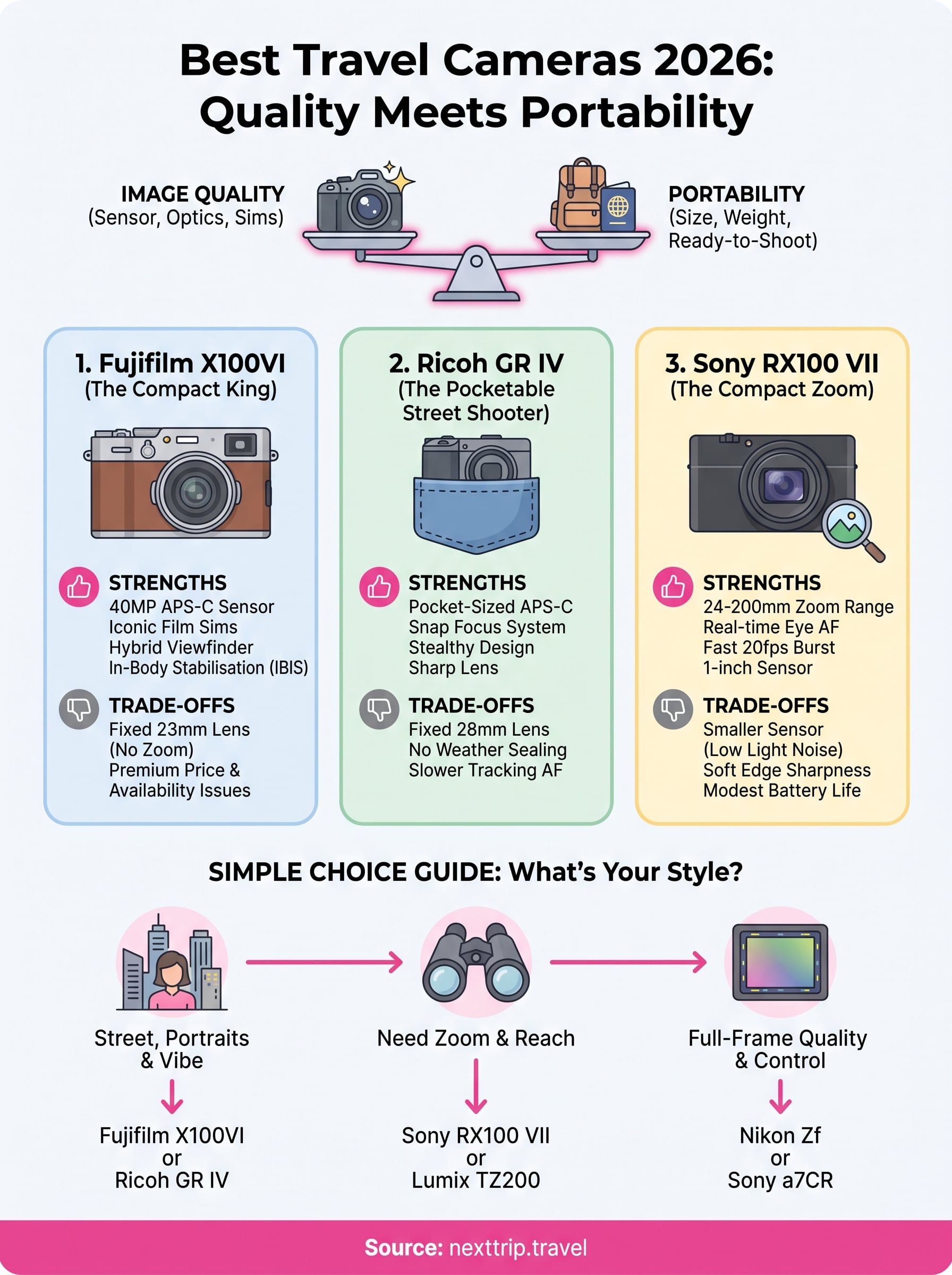
Picking the best camera for travel photography does not need to spiral into a months-long research project. Start with one question: what does most of your travel content actually look like? If you shoot mostly street scenes and portraits, the Fujifilm X100VI or Ricoh GR IV will serve you well without overcomplicating your kit. If you need zoom range in a compact body, the Sony RX100 VII or Lumix TZ200 cover that gap cleanly. Serious shooters who want full-frame quality without full-frame bulk should look at the Nikon Zf or Sony a7CR.
Your camera is only one part of what makes travel photography work. Where you go, what you experience, and how you frame those moments matter just as much as the gear in your bag. If you want to travel somewhere worth photographing, start planning your next trip with Nexttrip.Travel and build a journey that actually gives you something to shoot.