

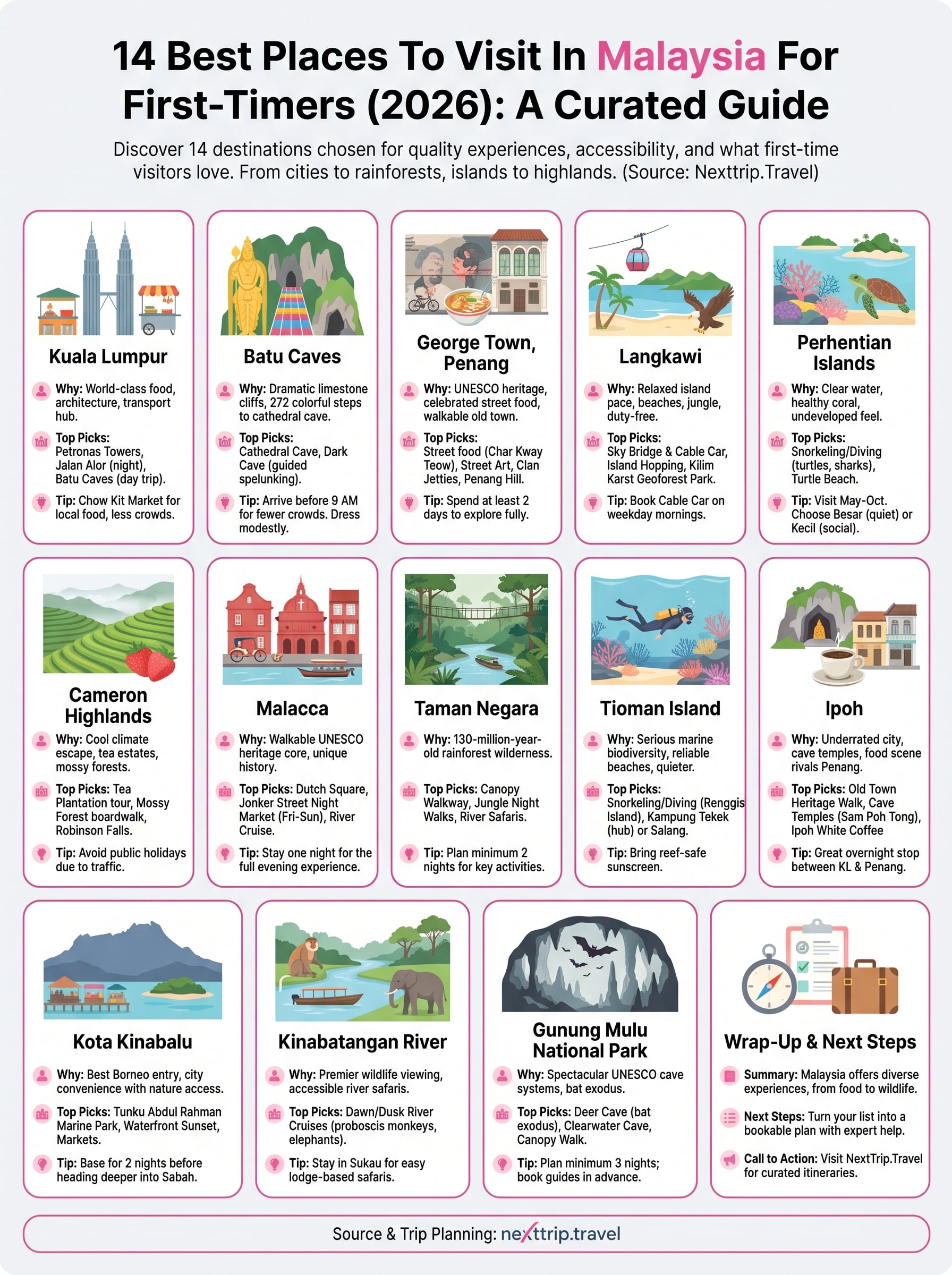
Malaysia is one of those countries that genuinely has it all, rainforests older than the Amazon, islands with water so clear it looks edited, cities that mix street food chaos with sleek skyscrapers, and cultural layers you could spend years peeling back. If you're figuring out the best places to visit in Malaysia for the first time, the options can feel overwhelming. This guide narrows it down to 14 destinations that actually deserve your time in 2026.
From the tea-draped highlands of Cameron to the turquoise waters off Langkawi, each spot on this list was chosen for the quality of the experience it delivers, not just its Instagram popularity. We've factored in accessibility, variety, and what first-time visitors consistently love most about the country. Whether you're here for a week or a full month, these picks give you a solid foundation for any Malaysia itinerary.
At Nexttrip.Travel, we help travelers turn destination lists like this one into fully planned, ready-to-book trips, with concierge-level support and curated itineraries built around real traveler insights. So once you've found the spots that speak to you, we can handle the rest.
Here are 14 places worth putting on your Malaysia shortlist.
1. Nexttrip.Travel Malaysia Trip Design
Before you start booking hotels across five cities or agonizing over which island deserves your limited days off, Nexttrip.Travel can do the heavy lifting. The platform is built specifically to take a list of places you're interested in, like the ones in this article, and turn them into a structured, bookable itinerary with expert input baked in from the start.
What You Can Plan Faster With It
Nexttrip handles the parts of trip planning that eat up the most time. Instead of cross-referencing flight connections, hotel availability, and activity schedules across a dozen browser tabs, you get a single curated plan that accounts for all three. The platform draws on influencer-tested itineraries and local insider picks, so the routing makes sense in the real world rather than just on a map.
When your itinerary is built around how destinations actually connect, you spend far less time in transit and far more time in the places you came to see.
You can also filter by travel style and priorities, whether that's beaches and diving, heritage and food, or rainforest and wildlife. That distinction matters a lot in Malaysia because the country's regions pull in very different directions, and generic packages rarely account for it.
How It Helps First-Timers Avoid Common Mistakes
First-time visitors to Malaysia often underestimate travel times between regions or try to combine East and West Malaysia in a single week, which almost never works comfortably. Nexttrip's planning process flags these conflicts early, before you've committed to non-refundable bookings.
Picking the wrong neighborhood for your accommodation is another frequent mistake. Kuala Lumpur and George Town both have areas that look fine on paper but put you far from the food, walkability, and culture you actually came for. A concierge who knows these cities well saves you from learning that the hard way on day one.
What to Decide Before You Book Anything
The most useful thing you can do before reaching out is to nail down your trip length and your non-negotiables. Are you prioritizing beaches, cultural sites, wildlife, or a genuine mix? Do you need family-friendly logistics or are you traveling as a couple or solo?
Your budget range and travel dates matter just as much, since Malaysia has distinct wet seasons across different regions and pricing shifts around school holidays and public events. Settle those two variables first, then build everything else around them.
2. Kuala Lumpur
Kuala Lumpur belongs at the top of any list of best places to visit in Malaysia, and for good reason. The city gives you immediate access to world-class food, striking architecture, and transport connections that make the rest of the country easy to reach from a single base.

Why First-Timers Love It
KL moves at a pace that rewards both the hurried and the slow. The contrast between neighborhoods is sharper here than in most Southeast Asian capitals: glass towers sit minutes from century-old temples, and hawker stalls share blocks with rooftop bars. That variety means you can shape your visit around whatever kind of experience you actually want.
Top Experiences to Prioritize
The Petronas Twin Towers are the obvious anchor, but the surrounding KLCC park and Suria KLCC mall area can easily consume half a day. Also worth your time are Jalan Alor for street food at night and the Thean Hou Temple for a quieter hour away from the city noise.
Most first-timers skip Chow Kit Market, which is one of the most vivid local food markets in the city and far less crowded than anything near the tourist belt.
Where to Base Yourself by Neighborhood
Bukit Bintang is the most practical area for first visits due to its walkability, food density, and direct rail access. KLCC suits travelers who want proximity to the towers and upscale dining without sacrificing convenience for getting around.
Easy Day Trips from the City
Batu Caves sits just 13 kilometers north and connects by KTM Komuter train directly from the city center. Putrajaya, Malaysia's federal administrative hub, adds a completely different visual experience and fits well as an easy afternoon excursion when you want a break from urban density.
3. Batu Caves
Batu Caves earns its place among the best places to visit in Malaysia not just for the dramatic limestone cliffs and the towering gold-painted statue at the base, but for what you actually feel when you stand at the top of the climb. The 272 rainbow-painted steps lead up to a cathedral cave that genuinely surprises most visitors with its scale, and the active Hindu shrines throughout the complex give the site a living, layered quality that photos rarely capture.
What Makes It Worth a Half-Day
The site works well as a focused half-day excursion rather than a full-day commitment. The main cathedral cave alone takes about 45 minutes to move through properly, and the combination of climbing the stairs, walking the cave chambers, and watching activity at the temples fills the rest of the time comfortably.
Arriving before 9 a.m. cuts the crowds significantly and gives you much better light for the climb.
What to Do Beyond the Main Steps
The Dark Cave, accessible via a separate entrance to the left of the main stairs, offers a guided spelunking experience that most visitors skip entirely. It is well worth the extra hour if you have any interest in cave ecosystems beyond the visual spectacle.
How to Visit Respectfully and Comfortably
The complex is an active Hindu temple, so dress modestly and carry a light sarong if your clothing runs short. Lightweight, closed footwear makes the steps noticeably more comfortable, especially when the stone is wet after morning rain.
How to Pair It with Nearby Stops
Batu Caves connects directly to central KL via the KTM Komuter line, which makes combining it with a morning at Forest Research Institute Malaysia (FRIM) a practical and rewarding half-day loop for anyone wanting both culture and canopy in a single outing.
4. George Town, Penang
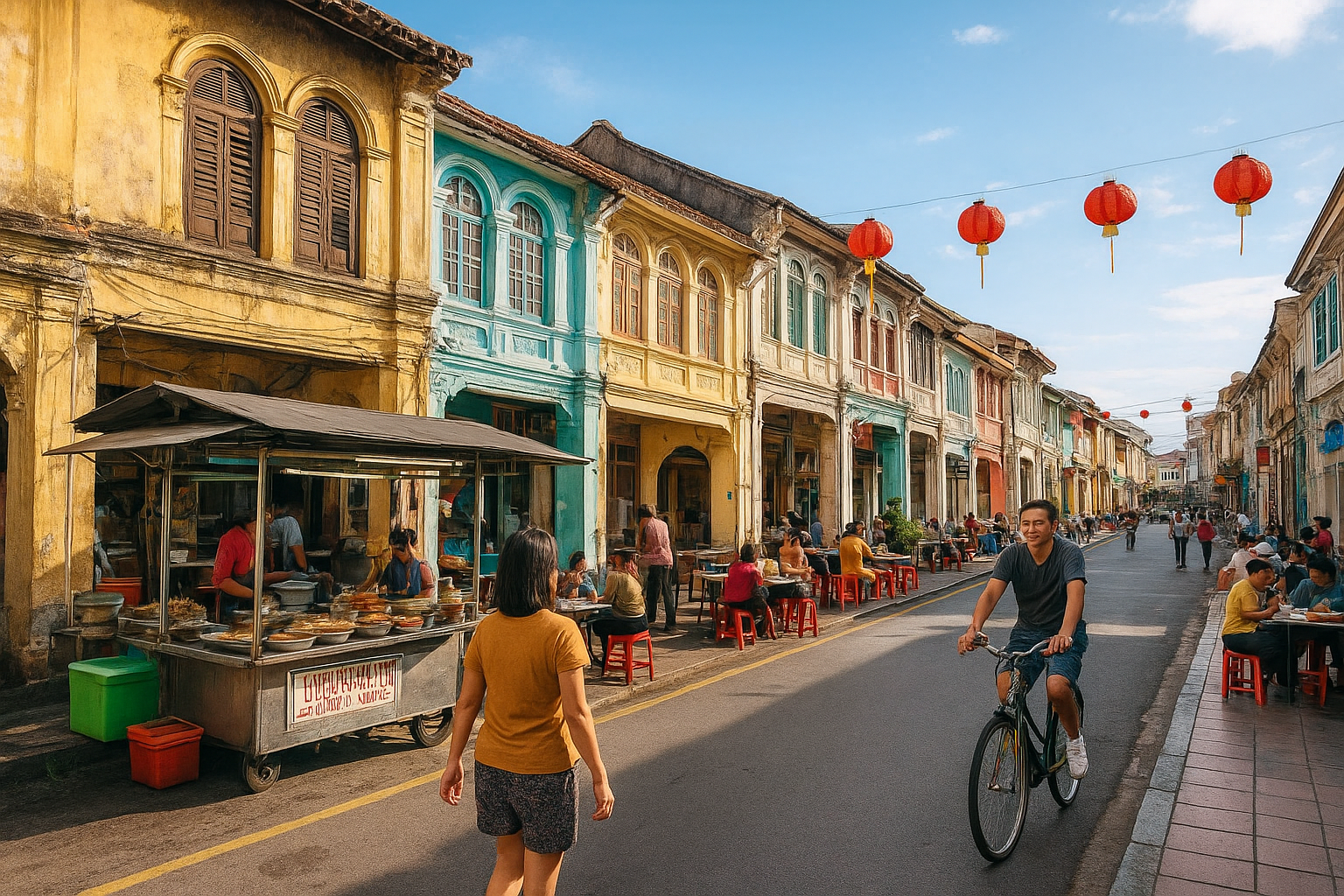
George Town consistently ranks among the best places to visit in Malaysia, and the reasons are hard to argue with. The city packs UNESCO-listed heritage, some of Southeast Asia's most celebrated street food, and a walkable old town into a compact area that first-timers can genuinely get to grips with in 48 hours.
What to See in One Day vs Two Days
One day gives you enough time to cover the core heritage loop through Little India, Armenian Street, and the clan jetties. Two days let you slow down, revisit the food scene more deliberately, and add the Penang Hill funicular and the kek lok si temple complex in Air Itam without feeling rushed.
Two days is the sweet spot for first-timers who want substance over a surface-level pass-through.
Street Food Game Plan for Beginners
Start at Gurney Drive Hawker Centre in the evening for a high-concentration introduction to Penang's food culture. Char kway teow, asam laksa, and cendol are the three dishes you should prioritize before anything else. For breakfast, the row of coffee shops along Chulia Street serves white coffee and roti canai the way locals actually eat it.
Heritage Streets and the Best Walks
Armenian Street and Lebuh Cannon are where the street art, clan houses, and shopfront temples cluster most densely. Walking from Fort Cornwallis toward the Cheong Fatt Tze Mansion covers a natural arc of the city's history without requiring any navigation skill beyond a phone map.
Best Areas to Stay for a First Visit
The inner city heritage zone keeps you within walking distance of almost everything that matters. Budget and mid-range guesthouses on Love Lane and Muntri Street put you inside the action, while the hotel strip along Gurney Drive suits travelers who prefer more space and proximity to the sea.
5. Langkawi
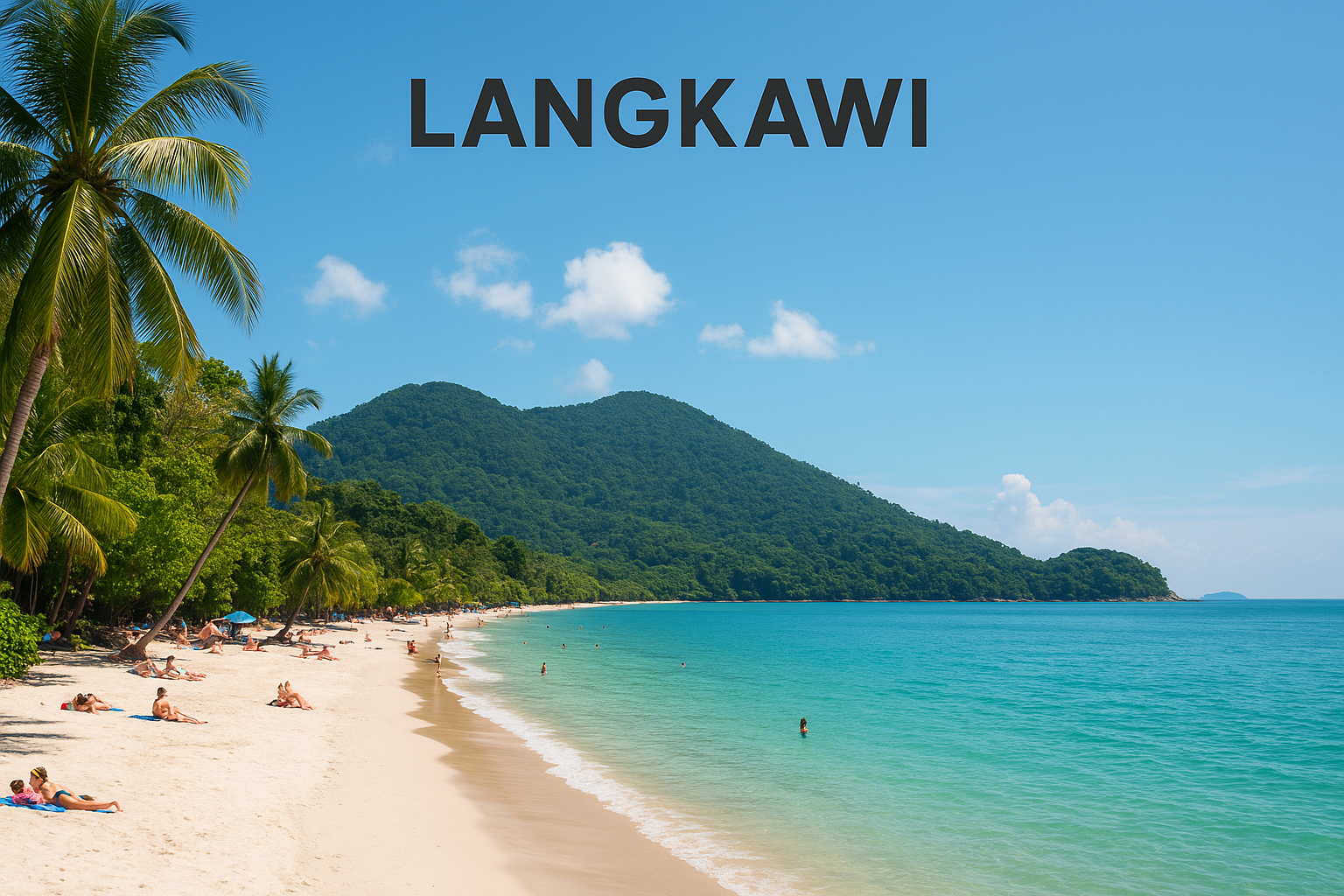
Langkawi sits on Malaysia's northwest coast and ranks among the best places to visit in Malaysia for travelers who want genuine beach time paired with lush jungle, duty-free shopping, and open water. The archipelago of 99 islands delivers a relaxed pace that sets it apart from busier Southeast Asian beach destinations, and the range of activities keeps it worth visiting even if beaches alone aren't your top priority.
Best Beaches for Different Travel Styles
Pantai Cenang suits first-timers who want convenience, beach bars, and easy access to food and water sports all in one stretch. If you prefer space and quiet, Pantai Tengah just south of Cenang offers a noticeably calmer atmosphere with fewer vendors and far more room to settle in.
Top Viewpoints and Nature Stops
The Langkawi Sky Bridge and cable car at Gunung Mat Cincang give you the most dramatic aerial view of the archipelago and the Andaman Sea below. Kilim Karst Geoforest Park adds a completely different texture to your visit through mangrove kayaking and eagle feeding at the river mouth.
Booking the cable car on a weekday morning cuts both waiting time and crowd density significantly.
Island-Hopping and Water Activities
Island-hopping boat tours typically run three to four hours and cover the southern cluster of islands, including Pulau Dayang Bunting and Pulau Singa Besar for snorkeling and wildlife spotting. Jet skiing and parasailing are widely available along Cenang Beach for travelers who want more action on the water.
How Long to Stay and Where to Base
Three nights is the comfortable minimum for covering the main beaches, at least one nature stop, and an island-hopping trip without feeling rushed. Basing yourself along Pantai Cenang or Pantai Tengah keeps transport needs minimal and puts food options within easy walking distance.
6. Perhentian Islands
The Perhentian Islands sit off Malaysia's northeast coast in Terengganu and hold a firm place among the best places to visit in Malaysia for travelers who want clear water, healthy coral reefs, and a genuine lack of development. Two main islands make up the pair, and choosing between them shapes the kind of trip you actually get.
Which Island to Choose
Perhentian Besar suits travelers who want a quieter pace and slightly more comfortable accommodation, while Perhentian Kecil draws a younger crowd with budget chalets and a more social beach scene. Neither island has roads or vehicles, so your choice comes down to energy level and budget rather than any major practical difference.
Snorkeling and Diving Highlights
The reef systems around both islands hold sea turtles, black-tip reef sharks, and dense schools of reef fish at depths accessible to complete beginners. Turtle Beach on Besar and the site known as Sugar Wreck near Kecil are two of the most reliably rewarding spots for first-time snorkelers and newly certified divers.
Most dive operators run PADI open-water courses that wrap up within three days, which makes the Perhentians a practical place to get certified without adding a separate detour to your trip.
What to Expect for Lodging and Amenities
Accommodation ranges from basic fan chalets to mid-range resort rooms, but neither island offers anything approaching luxury. Electricity runs on a limited generator schedule at many properties, and Wi-Fi is inconsistent across the board, so plan for a genuine digital detox rather than a remote-work stop.
Seasons, Weather, and Sea Conditions
The islands close almost entirely between November and February due to the northeast monsoon, which brings rough seas and unsafe boat crossings. Plan your visit between May and October for calm water, good underwater visibility, and fully open accommodation options.
7. The Cameron Highlands
The Cameron Highlands sit roughly 1,500 meters above sea level in Pahang and stand out among the best places to visit in Malaysia for travelers who want a genuine break from coastal heat and urban density. The cooler air, terraced tea estates, and mossy forest trails create a landscape that feels entirely distinct from anywhere else in the country.
What to Do Besides Tea Plantations
Mossy Forest on Gunung Brinchang is the most underrated stop on the highlands circuit. The short boardwalk trail through gnarled, mist-covered trees takes about 45 minutes and delivers a completely different sensory experience from the manicured tea rows most visitors stick to.
BOH Sungai Palas Tea Garden offers a free factory tour alongside sweeping valley views, which makes it the single most efficient stop for combining scenery with a real understanding of how Malaysian tea is processed.
Best Short Hikes for First-Timers
Robinson Falls Trail is the most accessible option, running roughly two kilometers to a waterfall and back without requiring any technical preparation. Mossy Forest Trail at the Brinchang summit is similarly manageable but demands basic grip footwear due to slick boardwalk surfaces after rain.
Where to Stay and How to Get Around
Tanah Rata is the most practical base, with the widest range of restaurants, guesthouses, and transport options. Getting between attractions requires either a rented car, private taxi, or organized day tour since public buses don't serve most sites reliably.
Common Planning Pitfalls to Avoid
Many first-timers underestimate how fast the weather shifts at altitude, so pack a light waterproof layer even if the morning looks clear. Arriving during a Malaysian public holiday turns the narrow highland roads into serious gridlock, and a midweek visit saves real time.
8. Malacca
Malacca is one of the best places to visit in Malaysia for travelers who want history they can actually walk through rather than read about. The city's UNESCO World Heritage core is compact enough to cover on foot, and the layers of Portuguese, Dutch, and British influence have produced a streetscape unlike anywhere else in the country.
The Must-See Heritage Loop
Start at Dutch Square, where the Stadthuys and Christ Church anchor the most photographed corner of the city. From there, walk up to St. Paul's Hill for the ruined church and wide views over the strait, then continue down to the Porta de Santiago fortress gate. This loop takes about two hours at an unhurried pace.
Best Times to Visit Jonker Street
Jonker Street runs through the heart of Chinatown and works well for shopping and eating at any time, but the weekend night market that runs Friday through Sunday adds genuine atmosphere. Arrive before 8 p.m. to get ahead of peak foot traffic and work your way through the food stalls before the crowds thicken.
Weekday mornings are ideal for walking Jonker Street itself since the heritage shophouses and antique stores are open but the tourist volume stays low.
River Walk, Museums, and Viewpoints
The Malacca River Cruise runs evening routes past illuminated heritage buildings that look entirely different from the water. The Baba and Nyonya Heritage Museum on Heeren Street gives you the most focused look at Peranakan culture and takes about 45 minutes to move through properly.
How to Do It as a Day Trip or Overnight
Malacca sits about 90 minutes south of Kuala Lumpur by express bus, which makes it a workable day trip if you prioritize tightly. Staying one night unlocks the evening river cruise and the full Jonker Street experience, and that single addition makes the overall visit considerably richer.
9. Taman Negara
Taman Negara sits in the heart of peninsular Malaysia and belongs on any serious list of best places to visit in Malaysia for travelers who want to experience one of the oldest tropical rainforests on Earth. At roughly 130 million years old, the forest predates most of the world's major ecosystems, and spending even two nights inside it shifts your sense of scale entirely.
What Makes It a Classic Malaysia Rainforest Stop
The park covers over 4,000 square kilometers across three states, which makes it far larger than most visitors expect. Unlike jungle experiences that feel staged or heavily managed, Taman Negara still operates as a functioning wilderness, which means the sounds, the density, and the darkness after sunset are completely authentic.
Canopy Walk, River Time, and Night Walks
The suspended canopy walkway stretches approximately 530 meters through the treetops and gives you a perspective on the forest that ground-level trails cannot. River journeys by boat to Lata Berkoh waterfall and guided night walks from the Kuala Tahan base add two entirely different dimensions to your visit that daytime activities alone won't deliver.
Night walks consistently surprise first-timers since the forest sounds and insect activity after dark feel nothing like what you hear during the day.
Wildlife Expectations and What's Realistic
Gaur, tapir, and wild elephants live within the park but rarely appear near the main trails. Set realistic expectations: you will almost certainly see hornbills, monitor lizards, and a wide range of insects, but large mammal sightings require deeper access and genuine luck.
How to Get There and How Many Nights to Plan
Buses from Kuala Lumpur to Jerantut take roughly three hours, followed by a boat transfer to Kuala Tahan. Plan for a minimum of two nights to cover the canopy walk, a river trip, and a night walk without rushing any of them.
10. Tioman Island
Tioman Island sits off the east coast of Pahang and ranks among the best places to visit in Malaysia for travelers who want serious marine biodiversity alongside reliable beach time. The island stays relatively undeveloped compared to Langkawi, which makes it a strong pick for first-timers who prefer nature over nightlife.
Best Villages for Beaches, Diving, and Quiet
Kampung Tekek is the main hub with the most amenities, while Kampung Salang on the northern tip suits divers and backpackers who want direct reef access from shore. Kampung Juara on the east coast offers the quietest beach on the island with virtually no tourist infrastructure around it.
Snorkel and Dive Sites to Start With
Renggis Island just off Tekek is the most accessible snorkel site for first-timers and delivers healthy coral and solid fish density without requiring a long boat ride. Tiger Reef and Labas Island are both reliable early-stage dive spots with wall sections and clean visibility in the 10 to 20 meter range.
Tioman sits within a designated marine park, which prohibits fishing and coral collection and keeps the underwater environment noticeably healthier than at many comparable island destinations in the region.
Getting There Without Losing a Full Day
Ferries run from Mersing in Johor, which connects to Kuala Lumpur by road in roughly three to four hours. Booking a morning ferry from Mersing puts you on the island before noon and avoids the situation where transit consumes your entire first day.
What to Pack That People Forget
Reef-safe sunscreen is both a practical necessity and a marine park requirement. Bring a dry bag for your electronics and documents since open boat transfers and water taxis regularly involve spray, particularly during afternoon crossings when chop picks up.
11. Ipoh
Ipoh earns its spot among the best places to visit in Malaysia as one of the country's most underrated cities. Perak's former tin-mining capital has aged into a place where faded colonial shophouses, cave temples cut directly into limestone cliffs, and a food scene that rivals Penang all coexist within a compact and genuinely walkable core.
Old-Town Highlights and Cave Temples
Ipoh's old town clusters around Jalan Sultan Yusuf and the surrounding heritage streets, where the shophouse facades carry detailed plasterwork and hand-painted signage that survives from the tin boom era. Sam Poh Tong, a working Buddhist temple built inside a natural limestone cave, sits just south of the city center and takes roughly 45 minutes to explore properly, including the turtle pond and ornamental garden at the rear.
The cave temples around Ipoh are carved into the same limestone karst system that defines the city's skyline, which makes them geological as much as cultural stops.
What to Eat and Where to Try It
Ipoh white coffee and bean sprout chicken are the two dishes most closely associated with the city and both are worth tracking down at their original sources. Kedai Kopi Sin Yoon Loong on Jalan Bandar Timah has been serving white coffee since 1937, and Lou Wong Restaurant on Jalan Yau Tet Shin remains the benchmark for the bean sprout chicken that built Ipoh's food reputation.
Best Quick Add-Ons Outside the City
Kellie's Castle in Batu Gajah, about 15 kilometers south, adds a genuinely strange historical footnote to your visit as an unfinished Scottish planter's mansion abandoned mid-construction in 1926.
How to Fit Ipoh Into a KL-Penang Route
Ipoh sits almost exactly halfway between Kuala Lumpur and George Town on the ETS train line, which makes it a natural overnight stop rather than a detour. Adding one night in Ipoh gives you enough time for the old town, a cave temple, and a proper meal without compressing your schedule at either end.
12. Kota Kinabalu
Kota Kinabalu gives you the most manageable entry point into Malaysian Borneo, and that alone puts it among the best places to visit in Malaysia for first-timers who want to experience Sabah without committing to a full expedition itinerary. The city blends functional infrastructure, warm coastal access, and genuine wildlife proximity in a way that few gateway cities in the region actually manage.
Why It's the Best Intro to Malaysian Borneo
KK, as locals call it, functions as both a destination and a base, and that dual role makes it unusually efficient for trip planning. The city has a solid international airport, a central waterfront, and enough day-trip infrastructure to let you access Borneo's more remote attractions without overnight logistics on your first outing.
Islands, Markets, and Sunset Spots
The Tunku Abdul Rahman Marine Park sits just minutes offshore by ferry and covers five islands with coral reefs accessible to casual snorkelers. For a grounded evening, Gaya Street Sunday Market and the Filipino Market near the waterfront give you a direct look at Sabah's trading culture and fresh seafood scene. Sunsets from Signal Hill or the KK waterfront consistently rank among the most visually striking in the country.
The Filipino Market stays open daily and doubles as one of the best places in the city to eat grilled seafood at market prices.
Best Day Trips from the City
Lok Kawi Wildlife Park suits first-timers who want a realistic look at Sabah's native species, including proboscis monkeys and sun bears, before venturing further into the jungle.
How Long to Stay Before Heading Deeper into Sabah
Two nights in KK covers the marine park, a market visit, and logistics for onward travel. If Mount Kinabalu or the Kinabatangan River is next on your list, treat KK as a setup stop rather than a destination you linger in.
13. Kinabatangan River
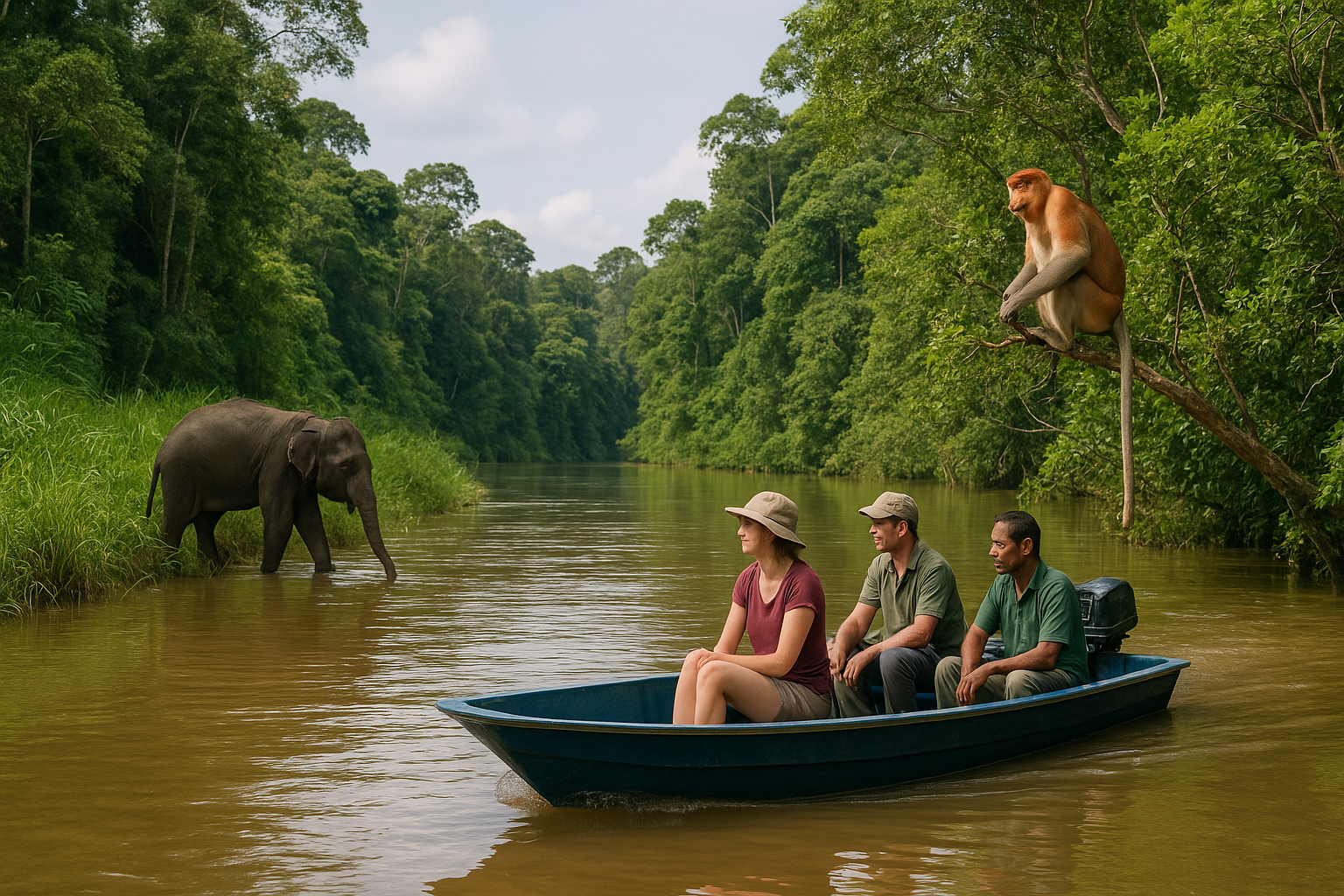
The Kinabatangan River cuts through the largest remaining lowland rainforest in Malaysian Borneo and stands as one of the best places to visit in Malaysia for anyone serious about wildlife. The river corridor concentrates pygmy elephants, proboscis monkeys, orangutans, and saltwater crocodiles within a stretch of forest that you can access from a single riverside lodge, which makes the whole experience logistically straightforward even for first-time Borneo visitors.
What Kind of Wildlife You Can Realistically See
Proboscis monkeys and long-tailed macaques are the most consistent sightings along the riverbanks, often visible from the boat within the first hour of any morning safari. Pygmy elephants appear regularly near Sukau between August and November, when herds move along the lower river.
Wildlife density on the Kinabatangan is genuinely high by regional standards, but patience and an early start dramatically improve what you actually see.
How River Safaris Work and What They Include
Most lodge packages run two river safaris per day, typically at dawn and dusk, when animal activity peaks along the water's edge. Your guide navigates a small motorized boat at low speed while scanning the riverbanks, and most programs include an oxbow lake stop for a different habitat and bird species entirely.
Choosing a Base and Tour Length
Sukau is the most established base, with several well-run lodges that bundle accommodation, meals, and guided safaris into a single package. Two nights gives you four safari sessions and covers the core of what the river reliably delivers.
Responsible Wildlife Viewing Basics
Keep noise low and avoid flash photography, particularly near nesting primates. Your guide sets the pace and distance from animals, so follow their lead without pushing for closer access.
14. Gunung Mulu National Park
Gunung Mulu National Park in Sarawak is among the most spectacular of the best places to visit in Malaysia, built around UNESCO-listed cave systems and primary rainforest spread across over 500 square kilometers. The park holds several of the world's largest individual cave chambers, and the variety packed into one destination makes the journey there worth every logistical step.
Cave Highlights and the Bat Exodus
Deer Cave ranks as one of the largest cave passages on Earth, stretching over two kilometers through a chamber tall enough to swallow a 17-story building. The park's four main show caves, Deer, Lang, Wind, and Clearwater, each offer a distinct character and connect into a logical half-day circuit.
Each evening near dusk, millions of wrinkled-lip free-tailed bats pour out of the cave entrance in a spiraling column that flows continuously for up to an hour.
Arriving at the bat observation platform at least 30 minutes before sunset gives you the best viewing position before the crowd fills in.
The Canopy Walk and Easier Trails
Mulu's suspended canopy walkway stretches 480 meters through the forest at heights that deliver a genuine treetop perspective without requiring any technical skill. The Paku Valley Loop works as a solid half-day trail through lowland forest for first-timers who want ground-level jungle time alongside the cave visits.
The Pinnacles Trek and Who It's For
Rising from Gunung Api's forested slopes, the Pinnacles are 45-meter limestone spires that demand a two-day ascent with serious rope climbing sections. This trek suits fit, well-prepared trekkers rather than casual visitors, and requires advance planning since it involves a river journey and a jungle overnight.
Logistics, Permits, and Planning Time Buffers
All cave tours require a licensed park guide, and Pinnacles permits sell out weeks ahead during busy seasons. Plan for a minimum of three nights to cover the main show caves, the bat exodus, and the canopy walk without cutting any of them short.
Wrap-Up and Next Steps
Malaysia rewards curious travelers, and this list covers the 14 best places to visit in Malaysia that genuinely deliver on their reputation. From the street food density of George Town to the cave systems of Mulu, every destination here offers something distinct, and no two visits to this country need to look the same.
The harder part is turning a list into a coherent itinerary that fits your time, budget, and travel style. That is where most first-timers lose hours to research rabbit holes and still end up unsure.
NextTrip.Travel takes what you know you want, whether that is beaches, rainforest, heritage cities, or wildlife, and builds a structured, bookable plan around it with expert concierge input included. You bring the destinations. They handle the routing, logistics, and detail that make the difference between a stressful trip and one worth repeating.