

If you've ever asked what is Penang known for, the short answer is: almost too much to fit into one trip. This Malaysian island packs UNESCO-listed heritage architecture, legendary hawker food, striking street art, and lush hillside nature into an area roughly the size of a large city, and somehow none of it feels rushed or overcrowded.
Penang sits at a crossroads of Malay, Chinese, Indian, and colonial British influences, which means every street, temple, and plate of char kway teow tells a layered cultural story. It's the kind of destination that rewards curiosity, exactly the type of place we love building itineraries around at Nexttrip.Travel, where our concierge team and creator-sourced recommendations help you skip the guesswork and land on the spots that actually matter.
This guide breaks down 15 things Penang is famous for, from must-eat street food stalls to heritage landmarks and hidden natural escapes. Whether you're planning your first visit or returning for a deeper look, consider this your shortlist of what not to miss.
1. Build a Penang itinerary with NextTrip.Travel
Penang rewards travelers who know where to look, and planning the right itinerary is half the battle. If you want to understand what is Penang known for beyond the tourist surface, having a structured plan built around your interests saves time and gets you to the places that locals and seasoned travelers actually recommend, rather than the ones that just rank highest on generic travel lists.
Why travelers use it
NextTrip.Travel combines concierge-level planning with creator-sourced recommendations, so your itinerary reflects real on-the-ground knowledge rather than recycled advice. Travelers use it because the platform handles research and logistics that usually eat up hours before a trip even starts, freeing you to focus on actually enjoying the destination.
The platform also connects you with influencer-curated routes, which means you get itineraries shaped by people who have actually walked George Town's back lanes, eaten at the right hawker stalls, and photographed Penang's most striking corners. That firsthand layer of knowledge is what separates a good trip from one you genuinely remember.
The difference between a forgettable trip and a memorable one usually comes down to the quality of the planning behind it.
What you can plan and book
Through NextTrip.Travel, you can build a complete Penang trip from start to finish. The platform covers flights, hotels, guided experiences, and day-by-day activity scheduling, so you aren't juggling five different apps or websites to piece together a coherent plan.
Whether you want a focused heritage and food trail through George Town, a beach and nature escape along Batu Ferringhi and Teluk Bahang, or a mix of both, the concierge team tailors the structure to your travel style. Couples, families, and solo travelers each get a different itinerary shape because the platform builds around how you actually want to move through a destination, not a one-size formula.
Tips to get a more local, content-ready trip
When you brief the NextTrip.Travel concierge team, be specific about what draws you to Penang. Mention whether you want deep food exploration, architecture photography, wellness, or outdoor adventure, because the more detail you share, the sharper and more personal the itinerary becomes.
Request off-peak timing at popular spots too. The Blue Mansion, Kek Lok Si, and the Clan Jetties all look dramatically different before 9 a.m., and arriving early means better experiences and better photos without the midday crowds pressing in around you.
2. UNESCO-listed George Town heritage core
George Town earned UNESCO World Heritage Site status in 2008, and that recognition is not just ceremonial. The historic core of Penang's capital holds one of Southeast Asia's most intact collections of pre-war shophouses, colonial civic buildings, and active religious sites within a compact, walkable grid.
Why it is famous
When people ask what is Penang known for, George Town surfaces almost immediately. The city's multicultural past left behind a physical record that still stands: Hokkien clan houses sit beside Tamil temples, which sit beside British administrative buildings and Malay streets. That concentration of layered history within a few square kilometers is what secured the UNESCO listing alongside Malacca in 2008.
George Town's heritage core is not a preserved museum district; it is a functioning neighborhood where people still live, cook, and run businesses in buildings that are over a century old.
What to do and see
Armenian Street (Lebuh Armenian) gives you a strong entry point into the area. From there, the grid opens up to a dense mix of landmarks:
- Kapitan Keling Mosque, one of the oldest mosques in Penang
- Sri Mahamariamman Temple, a visually striking Tamil landmark
- The Penang State Museum, which adds structured historical context
Walking the back lanes between these sites reveals the scale of what UNESCO recognized: an entire urban fabric still in daily use.
Tips for first-timers
Start your walk before 9 a.m. to cover the main streets while the light is sharp and the sidewalks are still open. Wear lightweight, breathable clothing because equatorial heat builds fast once the sun climbs, and the heritage core deserves at least two to three hours on foot to do it justice.
3. Hawker centers and Penang street food culture
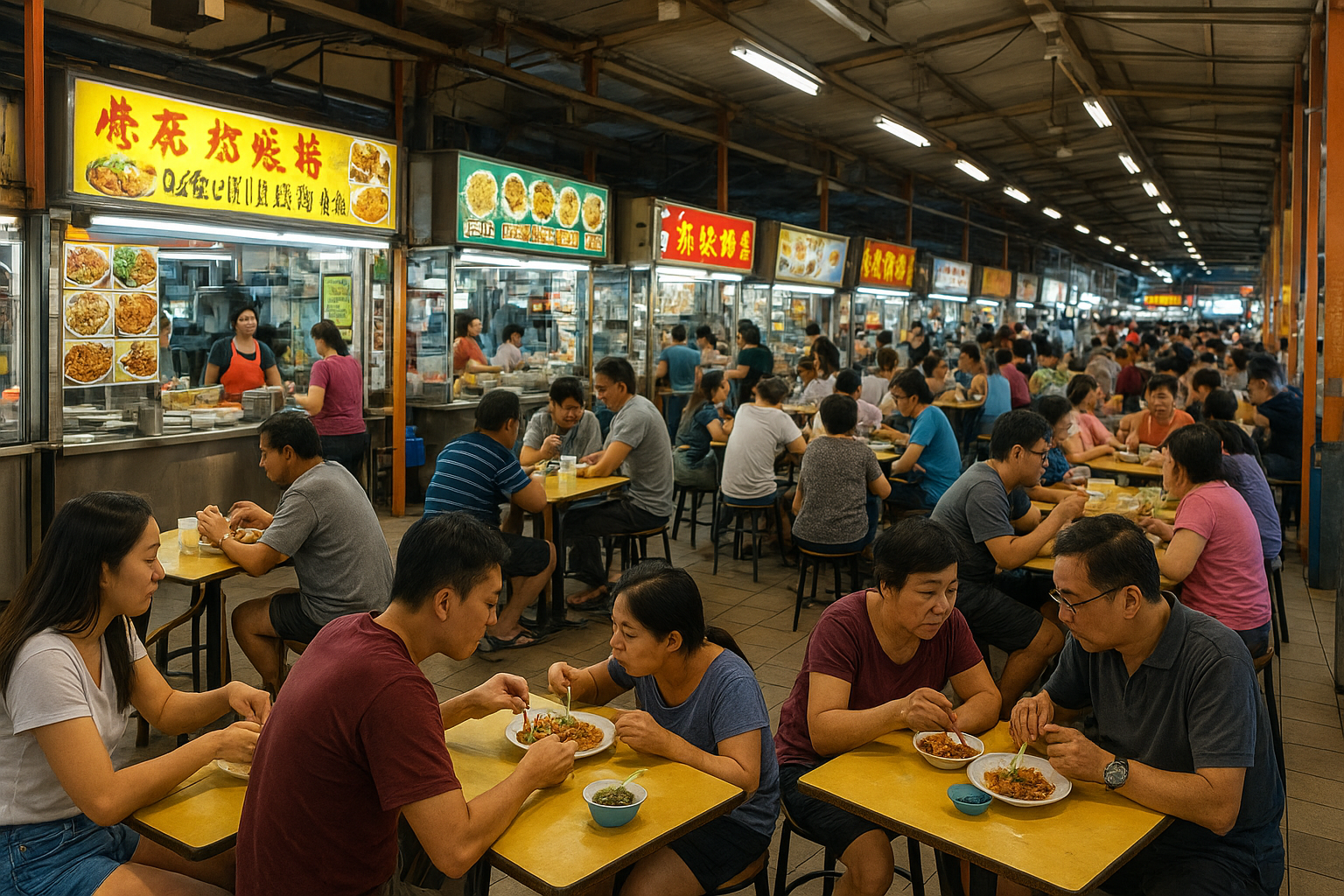
Penang's hawker culture sits at the center of what is Penang known for globally. The island has built an international reputation on the strength of its open-air food stalls, where individual vendors perfect a single dish over years, sometimes decades, and serve it to long queues of regulars every single day.
Why it is famous
Hawker centers work on a simple model: dozens of independent stall owners share a communal eating space, each specializing in one or two dishes. That specialization drives quality upward over time. Penang's hawker food tradition draws from Hokkien Chinese, Malay, Indian, and Peranakan cooking, and the result is one of the most diverse and affordable food scenes in all of Southeast Asia.
CNN Travel and multiple international food publications have repeatedly ranked Penang among the world's top food destinations, specifically because of its hawker culture.
What to do and see
Two hawker centers anchor most food itineraries in Penang. New Lane (Lorong Baru) Night Hawker Stalls in George Town come alive after dark and cover a wide range of classic dishes. Gurney Drive Hawker Centre offers a seafront setting with reliable crowd favorites including rojak, oyster omelette, and prawn mee.
Both centers let you graze across multiple dishes in a single sitting, which is genuinely the best way to explore the full range Penang has to offer.
Tips for first-timers
Arrive at hawker centers between 7 p.m. and 9 p.m. on weekday evenings to find full stall selections without weekend-level crowds. Bring small cash denominations because most stall vendors do not accept cards, and ordering directly at the stall in simple English works fine at almost every location across the island.
4. Char kway teow
Char kway teow is one of the dishes most directly tied to what is Penang known for on the global food stage. This stir-fried flat rice noodle dish carries a distinct smoky depth that comes from cooking at high heat in a well-seasoned wok, and Penang's version consistently outperforms versions found anywhere else in Malaysia.
Why it is famous
Penang char kway teow earns its reputation through wok hei, the charred, slightly smoky flavor that only comes from cooking at intense heat with precise timing. The classic version includes flat rice noodles, Chinese lap cheong sausage, bean sprouts, eggs, and fresh cockles, all tossed together in a dark soy sauce base. That combination of textures and savory depth has made it one of the most recognized dishes in all of Malaysian cuisine.
Penang's char kway teow stalls are typically run by single vendors who have cooked the same recipe for decades, and that consistency is exactly why the dish tastes better here than almost anywhere else.
What to do and see
Two stalls draw consistent attention from serious food travelers. Siam Road Char Kway Teow in George Town operates only during lunch hours and sells out regularly, so arriving early matters. Duck Egg Char Kway Teow at Lorong Selamat uses duck eggs instead of chicken, which gives the dish a noticeably richer and more savory finish that most visitors prefer once they try both.
Tips for first-timers
Order your char kway teow without cockles if shellfish is a concern, since most vendors accommodate the request without issue. Aim for lunchtime on a weekday to find shorter queues at the most popular stalls and still get a plate while the wok is running at full heat.
5. Penang asam laksa
Penang asam laksa sits at the top of any serious list of what is Penang known for on the food front. Unlike most laksa variations found elsewhere in Malaysia, this version uses a tamarind-soured fish broth rather than a coconut milk base, and that sharp, tangy depth gives it a flavor profile that most first-time visitors find completely unlike anything they have tasted before.
Why it is famous
Penang asam laksa earned a spot on CNN Travel's World's 50 Best Foods list, and that recognition reflects how genuinely distinctive the dish is. The broth builds its backbone from flaked mackerel, tamarind, lemongrass, and torch ginger flower, which creates a sour, savory, and slightly floral depth that no other noodle dish in Southeast Asia quite matches.
Asam laksa is widely considered the single most representative dish of Penang's food identity, which makes it essential to eat on any visit to the island.
What to do and see
Ayer Itam market, located near Kek Lok Si Temple, serves one of the most respected bowls on the island and regularly draws long queues of locals who consider the trip worth the effort. The vendor most often cited by food writers and regulars is Air Itam Laksa, where thick rice noodles, generous fish portions, and a broth that hits every sour and savory note at once come together consistently.
Tips for first-timers
Request extra prawn paste (hae ko) on the side so you can adjust the richness as you eat, since this dark, molasses-like condiment transforms the broth's flavor in a meaningful way. Arriving before noon on a weekday gives you the shortest queues and the freshest batch of broth before the lunchtime crowd arrives.
6. Nasi kandar
Nasi kandar is one of the most deeply rooted dishes in Penang's food identity, and it gives you a direct window into the island's Indian Muslim culinary tradition that stretches back over a century. If you want to understand what is Penang known for beyond its Chinese hawker dishes, this is where you start.
Why it is famous
Nasi kandar originated with Indian Muslim traders and canal workers who arrived in Penang during the colonial era. The name comes from the "kandar" pole that early vendors used to balance two pots of rice and curries across their shoulders as they walked the streets selling meals. That street-level origin story is part of what makes Penang's version feel so authentic compared to nasi kandar found elsewhere in Malaysia.
Penang's nasi kandar tradition is widely considered the standard against which all other versions across Malaysia are measured.
What to do and see
The two most respected names in Penang nasi kandar are Line Clear in George Town and Hameediyah Restaurant, which claims to be the oldest nasi kandar restaurant in Malaysia. Both serve steamed rice topped with your choice from a wide spread of fish, meat, and vegetable curries, and the defining move is asking for "banjir," where the server floods your rice with a mix of multiple curry sauces at once.
Tips for first-timers
Visit Line Clear after midnight if your schedule allows, since the stall runs through the early hours and draws a loyal crowd of locals who consider late-night nasi kandar a Penang tradition in its own right. Always tell the server your spice tolerance upfront, because some of the fish and meat curries carry serious heat that catches unprepared visitors off guard.
7. Cendol and shaved ice desserts
When people research what is Penang known for beyond savory dishes, cendol sits at the top of the dessert conversation. This chilled bowl of shaved ice, coconut milk, pandan-flavored green rice flour jelly, and palm sugar syrup delivers a cooling hit that the island's heat makes almost necessary, and Penang's version is widely regarded as the benchmark across Malaysia.
Why it is famous
Penang cendol stands apart because of its quality of ingredients rather than any dramatic technique. The palm sugar used here comes from local sources and carries a deep, slightly smoky sweetness that factory-produced sugar simply cannot replicate. Vendors who have been making cendol for decades use fresh coconut milk rather than canned alternatives, and that difference shows immediately in the richness of the final bowl.
A good Penang cendol balances three things precisely: the bitterness of the pandan jelly, the richness of the coconut milk, and the caramel depth of the palm sugar, and when all three align, the result is genuinely difficult to forget.
What to do and see
The most cited cendol stall in George Town operates on Penang Road, directly opposite the Cathay Hotel, and has been serving the same recipe for generations. Red bean cendol is the standard order, though some vendors offer durian cendol for a heavier, more pungent variation that draws strong opinions in both directions.
Tips for first-timers
Order your cendol without extra sugar on your first bowl so you can taste the natural palm sugar before adjusting. Visit in the early afternoon when the ice is freshest and the stalls are running at full capacity.
8. Peranakan culture and Pinang Peranakan Mansion
Peranakan culture is one of the most distinctive threads woven through what is Penang known for culturally. The Peranakans, also called Straits Chinese or Baba-Nyonya, are descendants of Chinese immigrants who settled across the Malay Peninsula centuries ago and developed a unique hybrid identity that blends Chinese, Malay, and colonial European influences into a single, vivid way of life.
Why it is famous
The Peranakan tradition stands out because it did not simply mix two cultures; it created something entirely new. Their cuisine, textiles, architecture, and ceremonies each reflect a deliberate fusion that took generations to develop and that survives today in a way few hybrid cultures anywhere in the world can claim.
Penang holds one of the largest concentrations of Peranakan heritage outside of Singapore, which makes it one of the best places in Southeast Asia to encounter this culture firsthand.
What to do and see
The Pinang Peranakan Mansion on Church Street in George Town gives you the most structured introduction to this culture available on the island. The restored mansion houses over 2,000 antiques including embroidered textiles, carved furniture, porcelain, and ceremonial objects that show the depth and detail of Peranakan domestic life at its peak in the late 19th century.
Tips for first-timers
Book a guided tour of the mansion rather than walking through independently, because the guides explain the significance behind specific objects and rituals that context-free viewing simply cannot convey. Plan your visit for a weekday morning to move through the rooms at your own pace before tour groups arrive later in the day.
9. Cheong Fatt Tze, the Blue Mansion
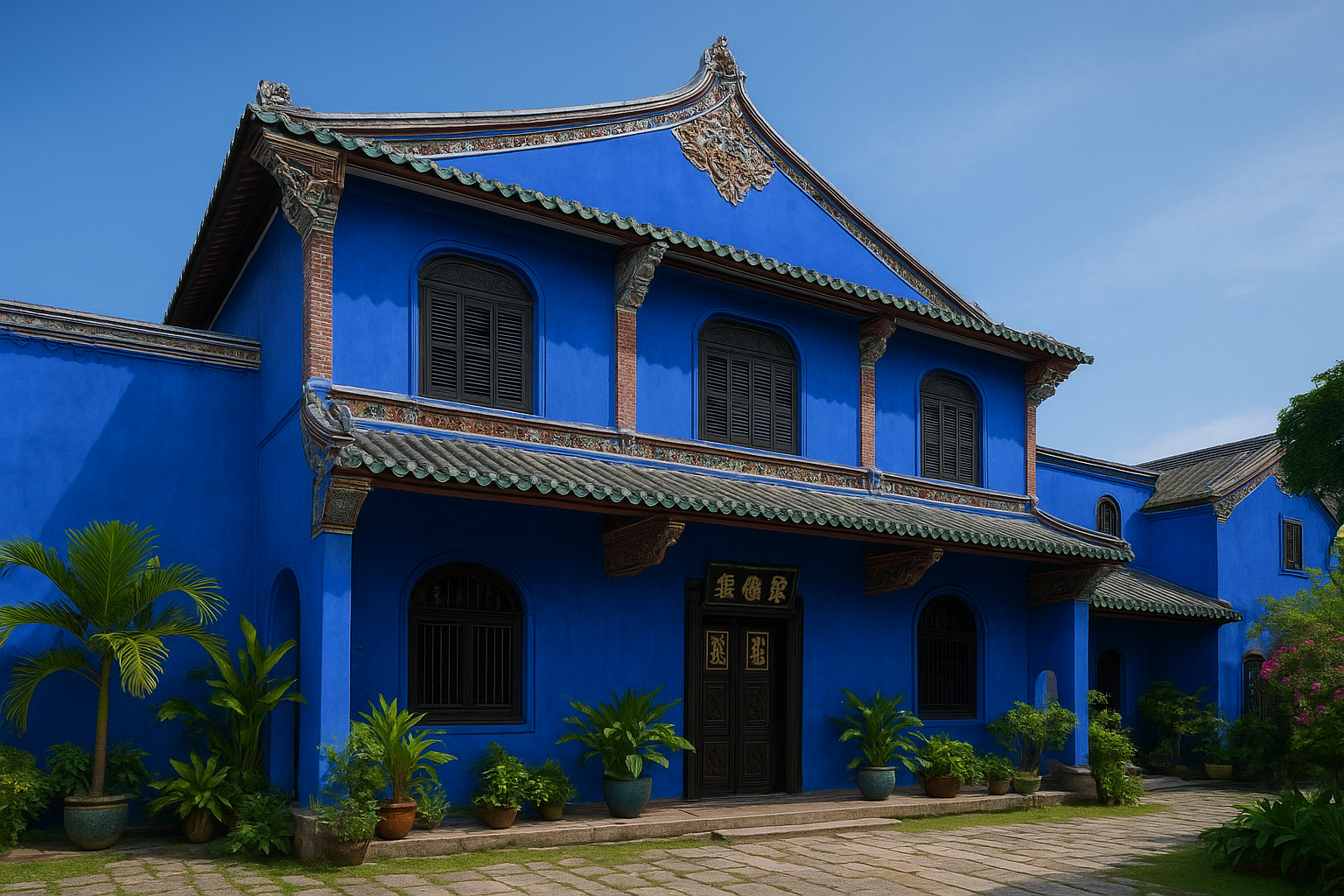
The Cheong Fatt Tze Mansion, painted in a striking indigo blue that makes it impossible to miss on Leith Street, is one of the most photographed buildings in George Town and a strong contender for the single most recognizable image when people picture what is Penang known for architecturally.
Why it is famous
Built in the late 19th century for Cheong Fatt Tze, a Chinese merchant who became one of the wealthiest and most powerful men in Southeast Asia, this mansion represents the peak of Straits Eclectic architecture. The structure fuses southern Chinese design principles with British colonial and Art Nouveau detailing, producing a 38-room building that earned a UNESCO Heritage Award of Excellence in 2000.
The Blue Mansion stands as physical proof that Penang's cultural layering was never accidental; it was built deliberately by people who moved between worlds.
What to do and see
Guided tours run three times daily and take you through the interior courtyard, the main reception halls, and the upper residential floors where original furniture and decorative tiles remain largely intact. Notably, the mansion also operates as a boutique hotel, which means you can book a room and experience the building as an overnight guest rather than just a day visitor passing through.
Tips for first-timers
Book your tour slot in advance through the mansion's official channels, especially if you plan to visit on a weekend, since group sizes are kept small and sessions fill up faster than most visitors expect. Bring your camera or phone set to its widest field of view, because the interior courtyard rewards that framing in a way that a standard focal length misses entirely.
10. Clan jetties and Chew Jetty
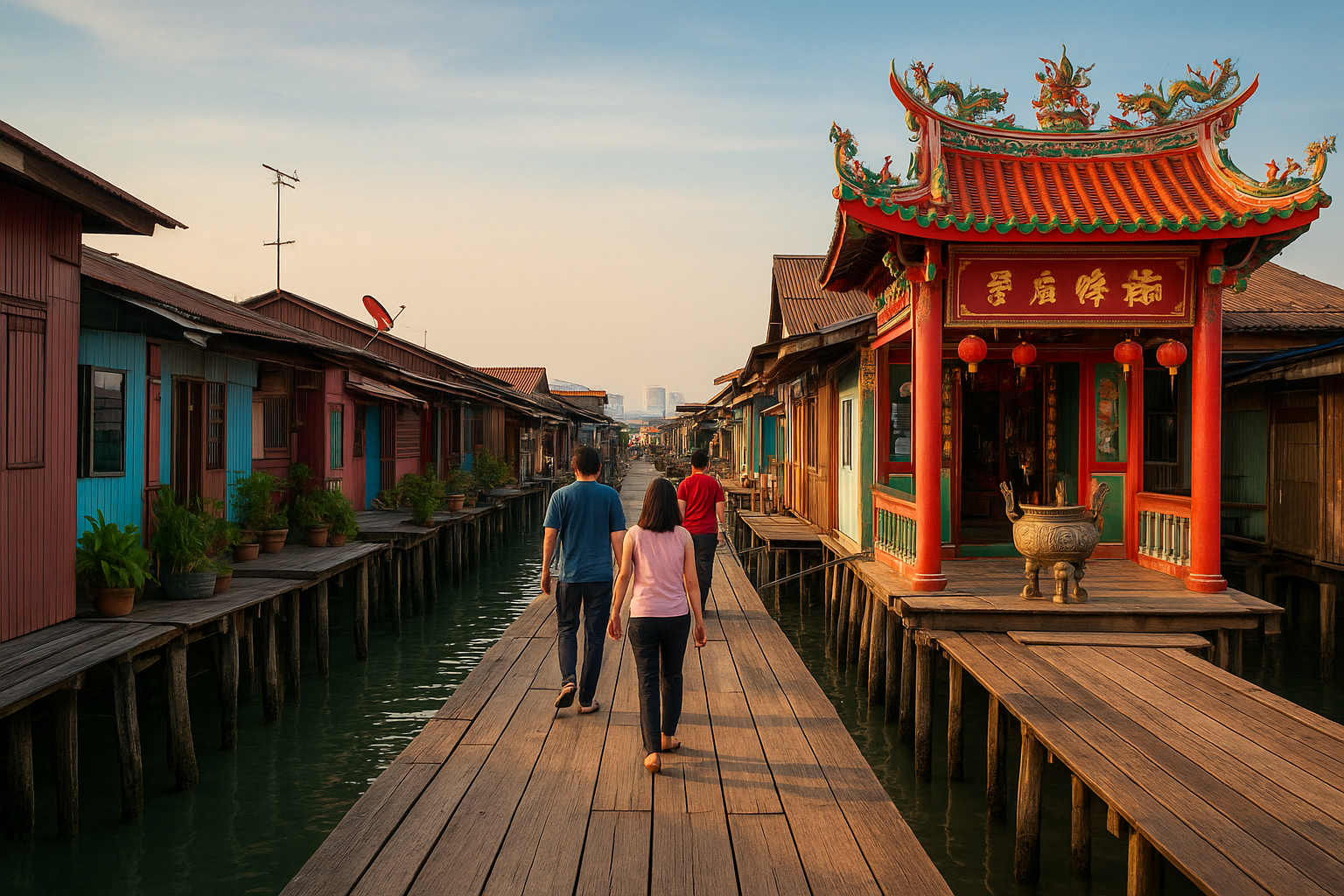
The clan jetties of George Town represent one of the most unusual living communities in all of Southeast Asia, and they give you a direct look at a way of life that has survived urbanization, tourism pressure, and decades of change. When people explore what is Penang known for beyond its food and colonial architecture, this stretch of waterfront settlements often surprises them the most.
Why it is famous
Six wooden jetties extend over the water along Weld Quay in George Town, each originally settled by a specific Chinese clan during the 19th century. Families from the Chew, Tan, Lee, Lim, and Mixed clans each built their own community on stilts above the sea, and those communities remain occupied and functioning today. Chew Jetty is the largest and most visited, but all six share the same quality of being genuinely inhabited neighborhoods rather than reconstructed historical displays.
Walking Chew Jetty means walking through someone's actual front yard, which is precisely what makes it worth your time.
What to do and see
Chew Jetty runs roughly 200 meters over the water and holds temples, clan halls, family homes, and small shops packed into a dense wooden corridor. The Chew Clan Temple at the jetty's entrance anchors the community spiritually and gives you a focal point before you explore further down toward the open sea.
Tips for first-timers
Visit early morning before 8 a.m. to experience the jetty when residents are going about their day and the light sits low over the water. Keep your voice and footsteps measured out of respect for the families who live there full-time.
11. Armenian Street and George Town street art
Armenian Street (Lebuh Armenian) put George Town on the global street art map when Lithuanian artist Ernest Zacharevic created a series of iron rod sculptures and murals across the neighborhood in 2012. That project transformed what was already a historic corridor into one of the most visually distinctive streets in Southeast Asia, and it now forms a core part of what is Penang known for among younger, visually-driven travelers.
Why it is famous
Zacharevic's murals work differently from most street art because they integrate real objects with painted scenes, so a mural of two children on a bicycle uses an actual bicycle mounted to the wall. That physical dimension gives the work a playfulness that flat murals simply cannot match, and it made the pieces instantly shareable at a time when social media was reshaping how people discover travel destinations.
The Armenian Street murals did not just decorate a neighborhood; they gave George Town's heritage core a new layer of identity that draws a completely different type of traveler.
What to do and see
Beyond Zacharevic's original works, the George Town Festival and ongoing city initiatives have expanded the street art trail well beyond Armenian Street. You can follow the official George Town Street Art map, available at most guesthouses and heritage hotels, which plots over 30 murals and sculptures across the walkable core.
Tips for first-timers
Walk the trail before 9 a.m. to photograph the murals without crowds gathered in front of them. Wear comfortable flat shoes because the full trail covers uneven pavement and requires roughly two hours of walking at a relaxed pace.
12. Kek Lok Si Temple
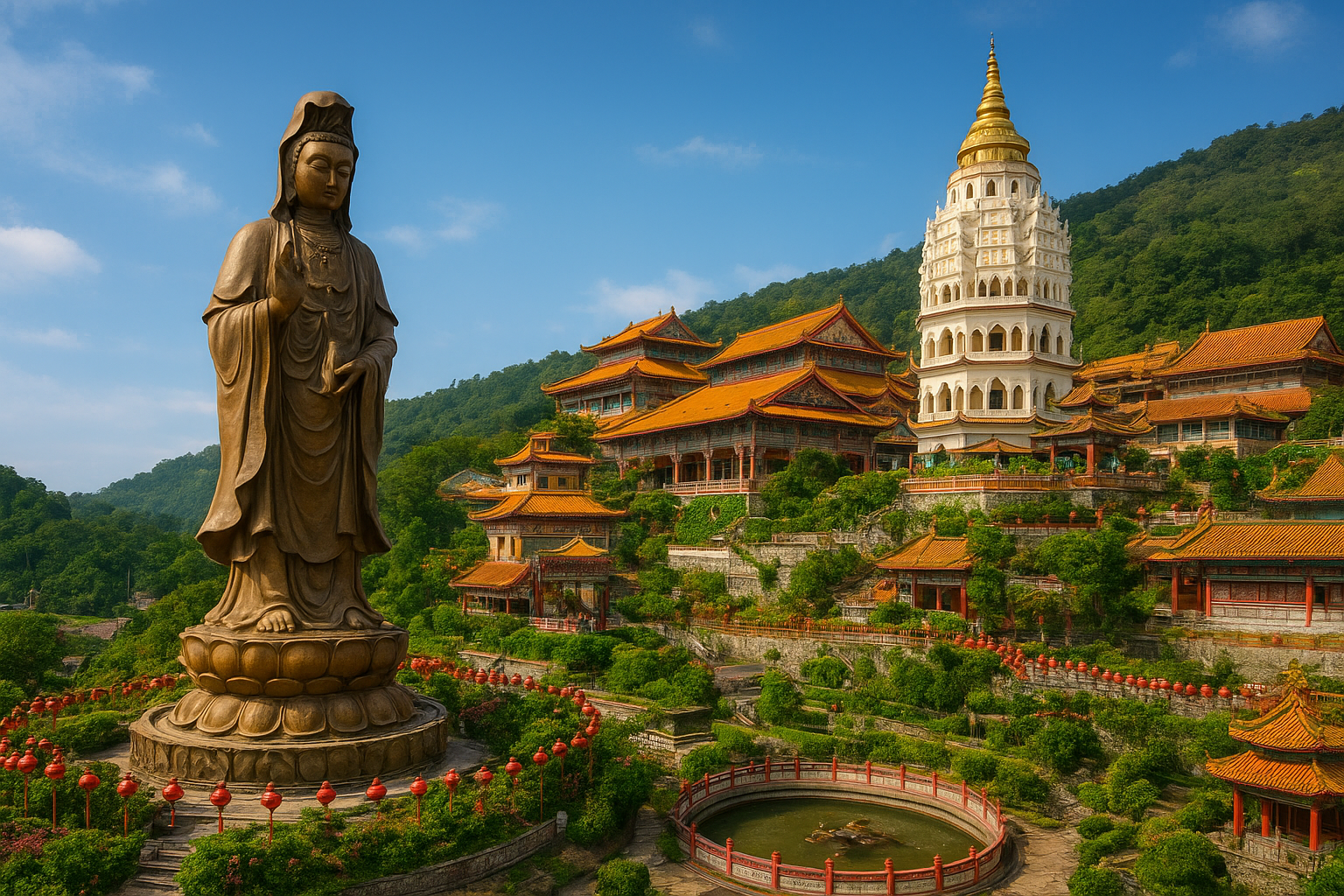
Kek Lok Si Temple sits on a hillside in Air Itam and ranks as one of the largest Buddhist temples in Southeast Asia. It anchors the spiritual landscape of the island and belongs firmly on any list of what is Penang known for beyond its food and colonial streets.
Why it is famous
The temple complex took over 20 years to build, with construction beginning in 1890 and continuing in phases well into the 20th century. Its most iconic feature is the Ban Po Thar pagoda, a seven-story tower that fuses Chinese, Thai, and Burmese architectural styles into a single structure unlike anything else in the region.
Kek Lok Si is not a static monument; it is an active place of worship where monks, pilgrims, and local families all share the same space with visitors.
What to do and see
A bronze statue of Guanyin, the Goddess of Mercy, rises 30 meters above the complex and is visible from the hillside approach long before you reach the main gates. The temple grounds also include a turtle liberation pond, ornamental gardens, and a series of prayer halls that move you upward through the hillside as you climb.
Tips for first-timers
Visit during Chinese New Year if your schedule allows, since the temple lights up with tens of thousands of lanterns across the entire complex in a display that runs through the evenings for about a month. Wear shoes you can slip off easily because several interior halls require you to remove footwear before entering.
13. Penang Hill and the funicular railway
Penang Hill (Bukit Bendera) rises 833 meters above sea level and gives you a perspective on the island that no street-level walk can match. The cool air, panoramic views, and forested trails place it squarely on the list of what is Penang known for among travelers who want more than food and heritage architecture.
Why it is famous
The hill draws visitors for two distinct reasons: the view from the summit and the ride up itself. The funicular railway, which has been ferrying passengers up the steep gradient since 1923, is one of the oldest hill railways in Southeast Asia and remains the most practical and memorable way to reach the top. The summit sits far enough above the city that you can see across the George Town skyline, the Penang Bridge, and on clear days, the coastline of mainland Malaysia.
The view from Penang Hill at dusk, when the city lights begin to appear below and the air drops noticeably cooler, is something most visitors describe as the unexpected highlight of their trip.
What to do and see
At the summit, the David Brown's Restaurant offers a colonial-era dining setting with the kind of hillside view that justifies the trip up on its own. The Penang Hill Biosphere Reserve trail network also gives you access to forest walks through genuine highland biodiversity.
Tips for first-timers
Buy your funicular tickets online in advance through the official Penang Hill Corporation channels to avoid long queues, especially on weekends. Visit on a clear morning for the sharpest views before afternoon haze settles over the strait.
14. Batu Ferringhi beach and night market
Batu Ferringhi stretches along Penang's northern coastline and gives the island its most recognizable beach setting. While food and heritage architecture dominate most discussions of what is Penang known for, this palm-lined stretch adds a relaxed, coastal dimension that balances out a full itinerary.
Why it is famous
Batu Ferringhi draws visitors for two reasons that work well together: the long sandy beach that runs along the northwest coast and the night market that sets up along the main road after dark. The beach sits about 20 kilometers from George Town and gives you calm water and shade from coconut palms, while the market delivers a completely different energy once the sun drops. Together, they make the area one of the most accessible half-day or full-day escapes from the city.
The combination of a relaxed beach afternoon followed by an evening stroll through the night market is the most natural rhythm for a day at Batu Ferringhi.
What to do and see
The Batu Ferringhi Night Market runs every evening along the main strip and fills roughly 500 meters of road with vendors selling batik fabric, replica goods, local snacks, and handmade crafts. During the day, watersports operators along the beachfront offer jet skiing, parasailing, and banana boat rides at straightforward hourly rates.
Tips for first-timers
Arrive at the beach in the late afternoon to catch the cooler hours and stay through sunset before the night market reaches full activity. Bring cash in small denominations because most market vendors price items expecting negotiation, and starting at roughly half the asking price is standard practice here.
15. Teluk Bahang nature and adventure parks
Teluk Bahang sits at the northwestern tip of Penang Island and marks the point where the island shifts from urban density to genuine forest. This quiet fishing village and its surrounding coastline offer a nature-focused side of what is Penang known for that most short-stay visitors never reach, which makes it all the more rewarding for travelers who carve out the time.
Why it is famous
Teluk Bahang earns its place on the map because it holds a concentration of nature and outdoor attractions within a small area that you can cover in a single day. The region includes tropical forest reserves, cultural parks, and marine attractions that together give you a completely different experience from the food stalls and heritage streets of George Town. That contrast is precisely what makes it worth the 30-minute drive from the city center.
What to do and see
The Entopia by Penang Butterfly Farm is the most visited attraction in the area and houses over 4,000 live butterflies across two immersive zones. Just up the road, the Forestry Museum and Botanical Trail gives you a short but genuinely informative walk through labeled tropical plant species and secondary forest. Teluk Bahang beach itself is quieter and less developed than Batu Ferringhi, which suits travelers who prefer open sand without crowds.
Tips for first-timers
Book your Entopia tickets online in advance to skip the entrance queue, especially if you plan to visit on a weekend morning. Pair the butterfly farm with the forest trail on the same afternoon so you cover both without needing a second trip to this end of the island.
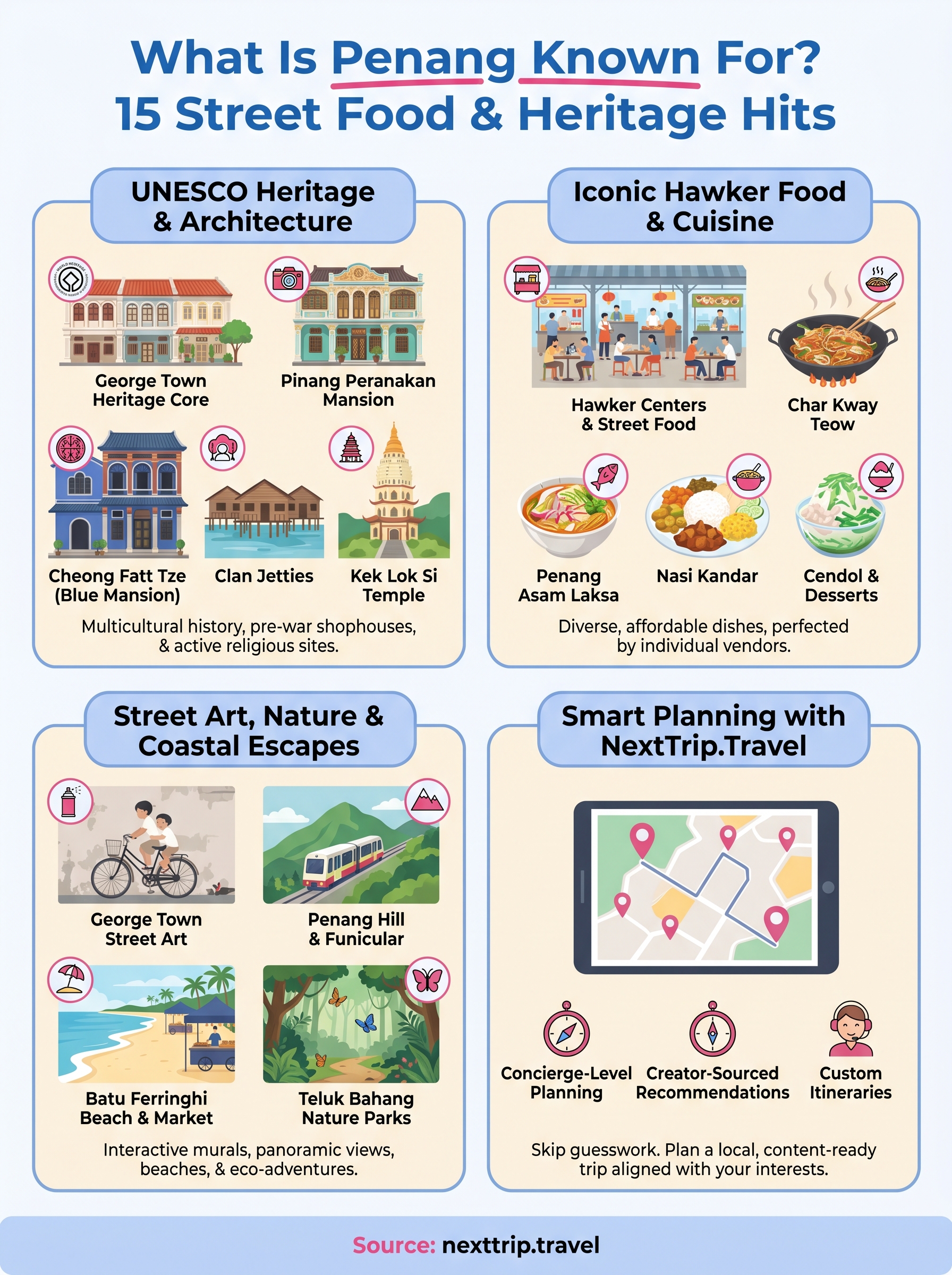
Putting it all together
Now you have a clear picture of what is Penang known for: a densely layered destination where colonial heritage, multicultural food traditions, street art, and forest escapes all sit within reach of each other. That combination is rare, and it means a well-planned itinerary here delivers more variety per day than almost any comparable destination in Southeast Asia.
The challenge is not finding things to do in Penang; it is choosing the right sequence and making sure the logistics support the experience rather than slow it down. That is where structured planning makes a real difference.
If you want an itinerary built around your specific interests, whether that is deep food exploration, heritage photography, or a mix of beach and nature, the Penang travel planning team at NextTrip.Travel handles the research, bookings, and day-by-day structure so you arrive ready to move and not scrambling to figure out your next step.