

Malaysia packs an almost unfair amount of beauty into one country. From ancient rainforests older than the Amazon to turquoise islands that look AI-generated (but aren't), the most beautiful places in Malaysia reward every type of traveler, whether you're chasing waterfalls, exploring colonial towns, or hunting for that perfect content-worthy moment on a hidden beach.
The challenge isn't finding beauty here. It's narrowing down where to go first. With peninsular coastlines, Borneo's wild interior, and cultural gems scattered between, Malaysia can genuinely overwhelm you with options. That's exactly why we built this list, and why our team at Nexttrip.Travel curates itineraries around destinations like these, handling the planning so you can focus on the experience itself.
Below, you'll find 16 destinations across Malaysia that belong on your bucket list, each chosen for its scenery, accessibility, and that "I can't believe this is real" factor. Let's get into it.
1. NextTrip.Travel Bucket List Itinerary
Before diving into each destination, it's worth knowing there's a smarter way to move through this list. Nexttrip.Travel builds itineraries around the most beautiful places in Malaysia, combining influencer-sourced recommendations with hands-on concierge planning so every stop lands well, not just on paper but in real life.
What you get with an influencer-led Malaysia plan
With a NextTrip itinerary, you get a pre-researched route built around destinations that real travelers and content creators have actually visited. That means you're not guessing which beach looks better in person or which viewpoint is worth the detour. Every location is chosen for both its experience value and its visual storytelling potential, so whether you're traveling with a professional camera or just your phone, you'll come home with moments worth sharing.
An influencer-tested itinerary removes the guesswork and replaces it with a route built on real, first-hand knowledge of each destination.
Who this planning style fits best
This approach works best if you want a high-quality trip without spending weeks doing research. It suits couples, solo travelers, and families who want to move through Malaysia with intention, not just fill a schedule. You get the benefit of local knowledge without needing a personal contact in every city you visit.
First-time visitors to Malaysia benefit especially from this style, particularly if you want to cover multiple regions, like Kuala Lumpur, Penang, and Sabah, without the logistical headaches of piecing things together yourself. If your time is limited and your standards are high, a pre-designed route built around proven destinations saves both.
How to book and customize your route
Starting is straightforward. Visit Nexttrip.Travel, browse the curated Malaysia experiences, and pick a base itinerary that matches your travel style and timeline. From there, the team works with you to swap locations, adjust the pace, or layer in specific interests like diving, wildlife, or cultural immersion.
Every itinerary is flexible by design, so you're not locked into a fixed package. You can extend a stay in Langkawi, add a side trip to Tioman, or prioritize Borneo entirely. The goal is a trip shaped around how you actually travel, not a generic tour route that works for nobody in particular.
2. Kuala Lumpur
Kuala Lumpur sits at the top of nearly every list of the most beautiful places in Malaysia, and for good reason. The city blends ultra-modern skyline architecture with layered cultural districts that feel entirely separate from each other, all within a short drive.
Why it belongs on your bucket list
KL earns its place because it delivers visual contrast at every turn. You can walk from a century-old Hindu temple to a gleaming glass tower in under ten minutes. That density of experience, combined with the sheer scale of landmarks like the Petronas Twin Towers, makes it one of Southeast Asia's most photogenic urban destinations.
Don't-miss experiences and neighborhoods
Brickfields (Little India) and Chinatown's Petaling Street give you the cultural grounding that the modern downtown doesn't. For a more curated feel, Bukit Bintang delivers high-end malls, street food lanes, and rooftop bars within walking distance of each other. Some neighborhoods worth adding to your route:
- Kampung Baru for traditional Malay streetscapes and local food
- Bangsar for a relaxed, cafe-heavy alternative to the city center
- KLCC Park for skyline views at ground level
Best viewpoints and photo spots
The Petronas Twin Towers sky bridge and observation deck give you a straight-on city panorama that is hard to beat anywhere in Southeast Asia. For a wider, less crowded alternative, the KL Tower (Menara KL) observation deck captures the full skyline in a single frame and tends to draw fewer crowds.
The best time to photograph KL's skyline is just after sunset, when the towers are fully lit and the sky still holds color above the horizon.
3. Batu Caves
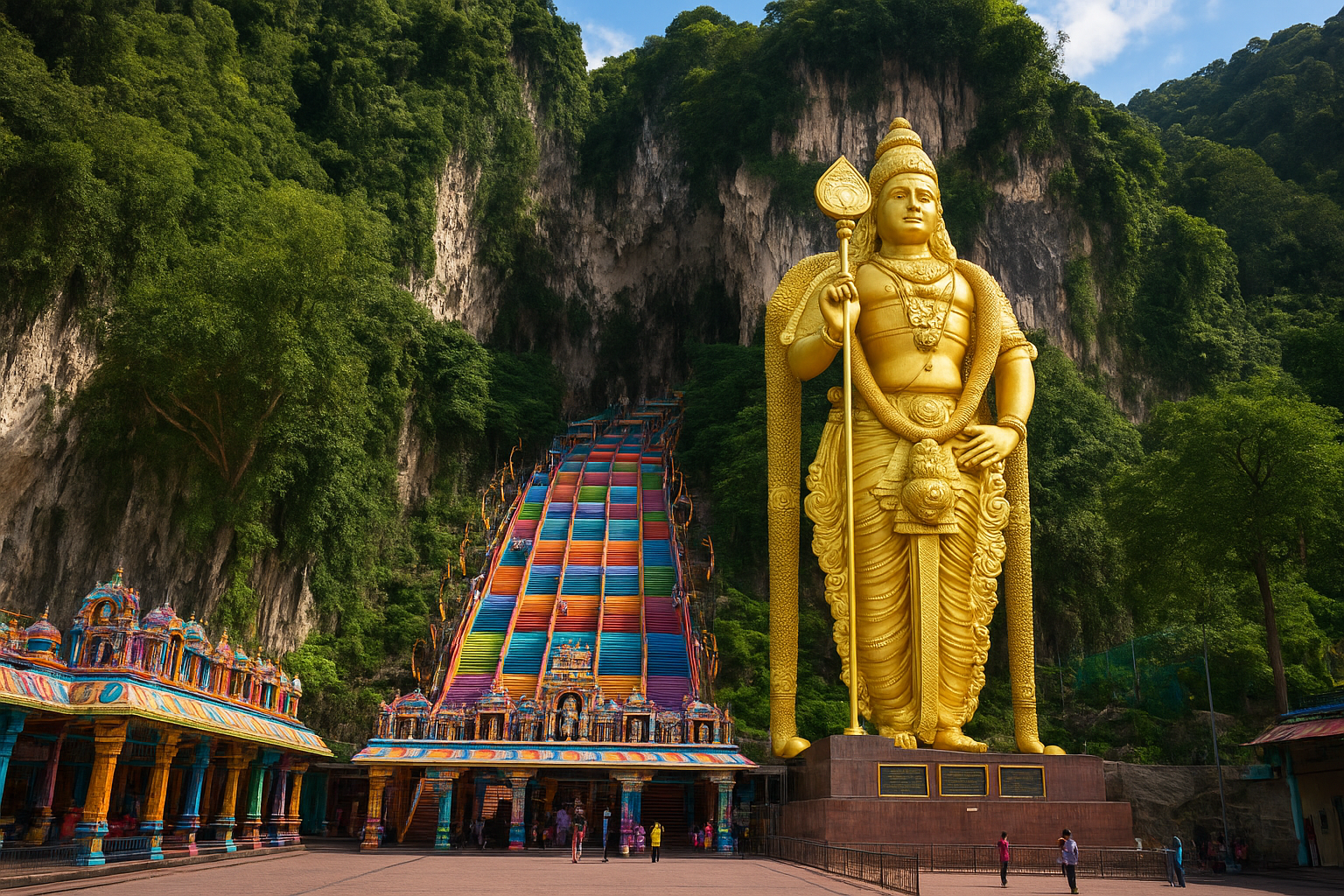
Batu Caves sits about 13 kilometers north of Kuala Lumpur and ranks among the most beautiful places in Malaysia for its sheer visual drama. A 272-step rainbow-colored staircase leads up to the entrance of a massive limestone cave complex, framed by a 43-meter golden statue of Lord Murugan at the base.
What makes it visually iconic
The scale of Batu Caves is what stops people in their tracks. Towering limestone cliffs that formed over 400 million years surround the temple cave, and the interior opens into a naturally lit cavern that floods with daylight through cracks in the ceiling. The combination of Hindu architecture, raw geology, and that iconic staircase makes this one of the most photographed locations in the country.
The best light for photography hits the staircase in the early morning, when the golden statue catches the sun before crowds fill the steps.
What to do once you arrive
Beyond the main Cathedral Cave, the Dark Cave on the left side of the staircase offers a guided tour through narrow limestone passages and rare cave ecosystems. The Ramayana Cave holds large dioramas depicting scenes from Hindu mythology and tends to draw a smaller crowd than the main temple above.
Practical tips for timing and dress code
Arriving before 8:00 a.m. helps you avoid both the heat and the crowd buildup that peaks mid-morning. Shoulders and knees must be covered to enter the temple cave, and sarongs are available at the entrance if you need one. Admission to the main Cathedral Cave is free, though the Dark Cave guided tour carries a small separate fee.
4. George Town, Penang
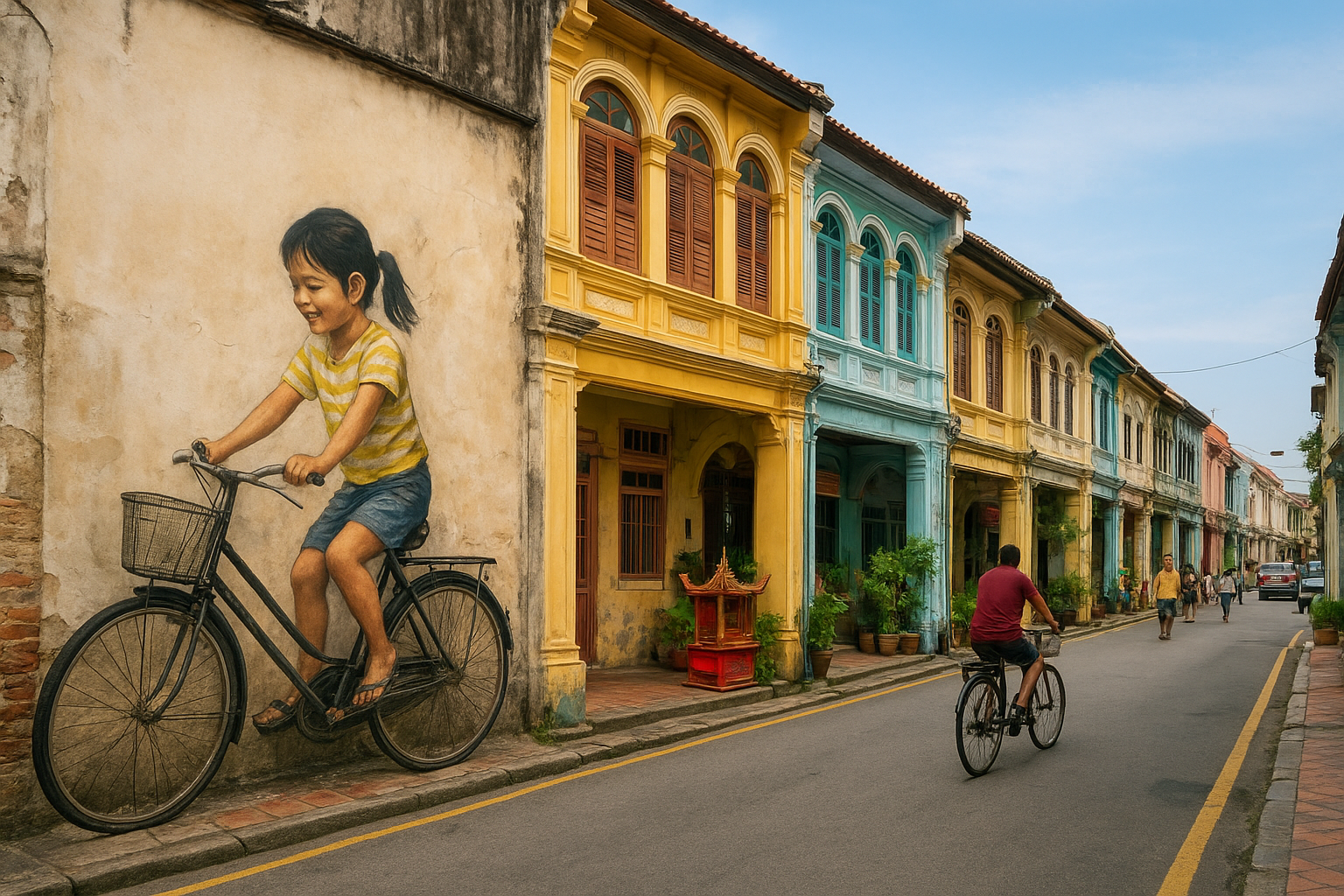
George Town sits on the northeast tip of Penang Island and consistently earns its spot among the most beautiful places in Malaysia for its rare blend of colonial architecture, living heritage culture, and world-famous street art. UNESCO recognized it as a World Heritage Site in 2008, and the city has used that status to protect what makes it genuinely worth visiting.
Why it stands out in Malaysia
What makes George Town distinct is how it layers centuries of Chinese, Indian, Malay, and British influence into a compact, walkable area that feels authentic rather than curated for tourists. You can cover a lot of ground on foot, which means you catch details that a car or tuk-tuk would rush past entirely. Some things that set it apart visually:
- Clan jetties built over the water, still home to fishing families
- Pre-war shophouses with painted wooden shutters and tiled facades
- Active street shrines tucked between coffee shops and boutique hotels
Top heritage sights and street art stops
The Armenian Street corridor is the best starting point for exploring the murals that put Penang on the global street art map. Beyond the famous ironwork sculptures and painted walls, the Khoo Kongsi clan temple delivers some of the most detailed Hokkien architecture you will find anywhere in Southeast Asia.
Start your street art walk before 9:00 a.m. so you reach the most popular murals before tour groups arrive.
Where to eat for classic Penang flavors
Penang holds a serious food reputation, and it delivers. Char kway teow, assam laksa, and cendol are the three dishes you should not skip. The Gurney Drive hawker stalls draw both locals and visitors every evening, which is a reliable signal that the food is worth your time.
5. Langkawi
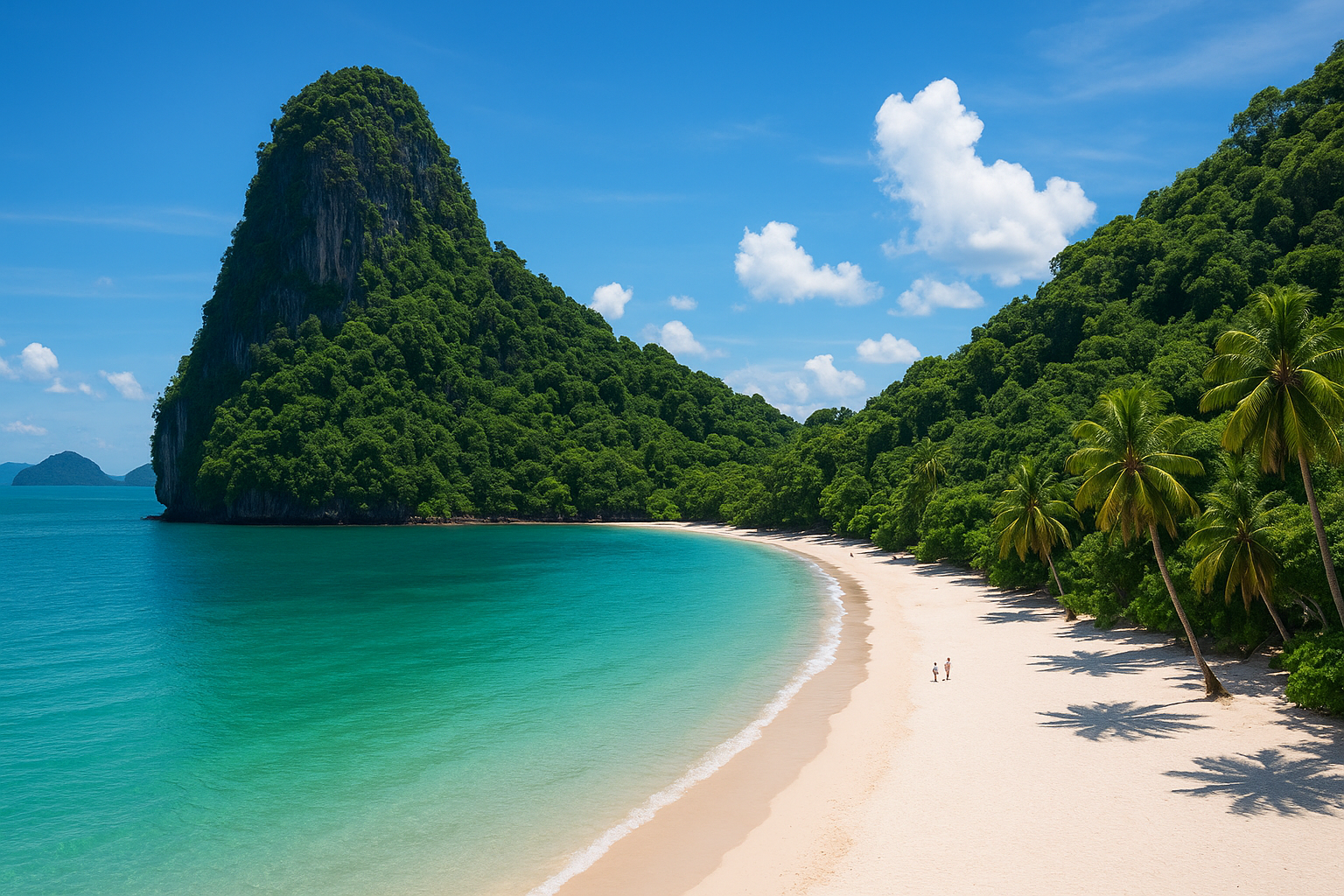
Langkawi is an archipelago of 99 islands off Malaysia's northwest coast, and it ranks among the most beautiful places in Malaysia for good reason. The combination of white sand beaches, ancient rainforest, and clear turquoise water gives it a range that few single destinations can match.
What makes the archipelago so scenic
The scenery here comes from how dramatically different each part of the island feels. The UNESCO Global Geopark designation protects rock formations and mangrove forests over 500 million years old, while the western and southern coasts deliver the kind of beach views that look edited even without a filter. The contrast between jungle interior and open sea is what sets Langkawi apart from flatter, less varied islands.
Langkawi's geology is genuinely rare, making it one of the few beach destinations where the inland scenery competes with the coastline itself.
Best beaches, viewpoints, and nature stops
Pantai Cenang is the most accessible beach and works well as a base. For panoramic views, the Langkawi Sky Bridge gives you a 360-degree perspective over jungle and sea from 700 meters above sea level. Kilim Karst Geoforest Park offers guided boat tours through mangrove channels and sea caves that feel completely removed from the resort side of the island.
How to get around without wasting time
Langkawi has no reliable public transport, so renting a scooter or car is the practical choice from day one. Most rental shops cluster near Pantai Cenang and charge reasonable daily rates. Planning your drives in the morning keeps you ahead of midday heat and gives you better light for photography at the Sky Bridge and along the western beach road.
6. Perhentian Islands
The Perhentian Islands sit off the northeast coast of Peninsular Malaysia in Terengganu, and they belong on any list of the most beautiful places in Malaysia for their combination of clear shallow water and untouched beach scenery. Two main islands make up the group: Perhentian Besar (Big) and Perhentian Kecil (Small), each with a different pace and crowd level.
What you see in the water and on the beaches
The water around the Perhentians runs in shades of green and blue that stay consistently clear, especially on the calmer western side of each island. White sand beaches lined with coconut palms front most of the bays, and the shoreline drops into reef quickly enough that you can spot fish from the beach itself. Green sea turtles are a regular sighting in several of the shallower bays, particularly around Long Beach on Kecil.
The Perhentians offer some of the most accessible turtle encounters in Southeast Asia, with no dive certification required.
Best snorkeling and low-effort adventures
Snorkeling trips run daily from most guesthouses and cover the key reef spots around both islands in a half-day circuit. Shark Point and Coral Garden consistently deliver strong underwater visibility and a dense concentration of reef fish and coral. For those who prefer staying dry, kayaking between the smaller coves along the coastline gives you a different perspective on the island geography without much physical effort.
When to go and what to pack
The islands close to visitors between November and February due to monsoon conditions, so plan your trip between March and October. Pack reef-safe sunscreen, a rash guard, and cash, since ATMs are limited on both islands and many operators do not accept cards.
7. Redang Island
Redang Island sits off the coast of Terengganu and consistently ranks among the most beautiful places in Malaysia for its crystal-clear water and dense coral reef system. The island's relative isolation keeps development low and water visibility high, making it a standout destination for both beach lovers and underwater explorers.
Why Redang looks like a postcard
The beaches on Redang's western coast, particularly Pasir Panjang (Long Beach), deliver the kind of scenery that photographers chase across Southeast Asia. Calm, shallow turquoise water meets fine white sand with almost no wave activity, which makes it unusually photogenic even by Malaysian island standards. The surrounding hills stay green year-round, adding depth to the backdrop that flat, low-lying islands simply cannot offer.
Redang's water clarity regularly exceeds 15 meters of visibility, which is one reason it draws divers and snorkelers from across the region.
Best reef and beach experiences
Marine Park protection covers the reef systems around Redang, which translates directly into healthier coral and more abundant marine life than you find on heavily visited islands. Snorkeling directly off the beach gives you immediate access to sea turtles, reef sharks, and schools of reef fish without needing a boat trip to reach the good spots.
How to plan around monsoon season
Redang follows the same seasonal closure pattern as the Perhentians, shutting down for most visitors between November and February due to northeast monsoon conditions. Book your trip between March and October for the best weather, clearest water, and open resort access. Most resorts offer package deals that bundle accommodation, meals, and snorkeling gear, which simplifies your planning considerably.
8. Tioman Island
Tioman Island lies off the east coast of Peninsular Malaysia in the South China Sea, and it earns its place among the most beautiful places in Malaysia through a combination of dense jungle interior and dramatic granite peaks that rise sharply from the water's edge. Unlike flatter islands in the region, Tioman's topography gives it a visual scale that feels genuinely cinematic rather than simply tropical.
What makes Tioman feel wild and beautiful
The island's character comes from how little it has been developed relative to its size. Thick primary rainforest covers the interior, and the coastline alternates between rocky headlands and small sheltered bays that you won't find labeled on a standard tourist map. The granite hills framing the northern end are the same peaks that reportedly inspired the mythical island of Bali Hai in the 1950s film "South Pacific."
Tioman's mix of jungle and sea makes it one of the few Malaysian islands where the inland scenery genuinely competes with the coastline for your attention.
Best beaches, villages, and treks
Salang Bay on the north end and Juara Beach on the east coast offer contrasting experiences worth planning around. Salang draws divers and snorkelers with strong reef access, while Juara delivers a quieter, more remote atmosphere that feels far removed from the main ferry hub at Tekek. The jungle trail connecting Tekek and Juara takes roughly two hours and rewards you with solid interior views along the way.
How to get there smoothly
Regular ferries run from Mersing and Tanjung Gemok on the mainland, with journey times ranging from one to two hours depending on your departure point. Book your ferry in advance during peak school holiday periods, as boats fill quickly. Arriving at the mainland terminal early keeps your afternoon free for settling in and exploring the beach before the day ends.
9. Cameron Highlands
Cameron Highlands sits roughly 1,500 meters above sea level in Pahang and earns a permanent spot among the most beautiful places in Malaysia for reasons that have nothing to do with beaches or skylines. The scenery here is entirely different from the rest of the country, built around rolling green tea estates, cool mist, and forested hillsides that feel closer to rural England than tropical Southeast Asia.
Why the highlands feel like a different country
The temperature alone signals that you've arrived somewhere distinct. Daytime highs rarely exceed 25 degrees Celsius, which creates a refreshing contrast if you've been moving through lowland cities. The landscape shifts from dense jungle to open agricultural terraces lined with tea bushes, strawberry farms, and flower nurseries that stretch across the hillsides in every direction.
Cameron Highlands offers one of the most visually dramatic climate transitions in Malaysia, moving from tropical heat to cool highland air within a single drive up the escarpment.
Tea, trails, and misty viewpoints
Boh Tea Estate is the most visited plantation in the highlands and gives you sweeping valley views alongside a working tea factory tour. For hikers, the Mossy Forest trail on Gunung Brinchang rewards you with gnarled cloud forest trees draped in moss that looks straight out of a fantasy film. Strawberry farms along the main road let you pick fruit directly and make for an easy, low-effort stop between bigger attractions.
Where to base yourself for the best access
Tanah Rata serves as the practical base for most visitors, with the widest selection of guesthouses, restaurants, and transport connections to the major plantations. Brinchang sits higher up and puts you closer to the Mossy Forest trailhead if that's your primary goal. Booking accommodation midweek avoids the weekend crowd that flows up from Kuala Lumpur and keeps your experience noticeably quieter.
10. Taman Negara National Park
Taman Negara covers more than 4,300 square kilometers in Peninsular Malaysia and holds one of the oldest rainforests on earth, predating the Amazon by tens of millions of years. It ranks among the most beautiful places in Malaysia not for polished scenery but for raw, undisturbed wilderness that grows rarer every decade.
Why it's one of Malaysia's top nature picks
The park's biodiversity sets it apart from any managed reserve in the country. The forest canopy reaches up to 50 meters, sheltering rare species including Malayan tigers, Asian elephants, and sun bears within its boundaries. Moving through a forest this old and this intact puts the full scale of intact nature into perspective in a way that no other destination in Malaysia can replicate.
Canopy walks, river time, and night wildlife
The canopy walkway at Kuala Tahan stretches roughly 530 meters through the treetops and delivers a forest perspective that ground-level trails simply cannot match. River boat trips deeper into the park connect you with fishing camps and multi-day jungle routes for more serious exploration. Night walks with a licensed guide regularly surface reptiles, insects, and nocturnal mammals that stay hidden during daylight hours.
A guided night walk inside Taman Negara consistently reveals a completely different layer of wildlife that most day visitors never see.
How to visit responsibly and safely
Kuala Tahan serves as the main entry point, reachable by road from Jerantut or by river taxi from the same town. Stick to marked trails, hire licensed guides for any deeper routes, and carry enough cash since card payments are limited inside the park. Insect repellent and long sleeves after dark are non-negotiable.
11. Melaka
Melaka sits on the southwestern coast of Peninsular Malaysia and holds a UNESCO World Heritage designation it has earned several times over. As one of the most beautiful places in Malaysia, it delivers something rare: a living historic city where centuries of Portuguese, Dutch, and British colonial layers stack up in a way you can walk through in a single afternoon.
Why it's one of Malaysia's prettiest historic towns
Melaka's beauty comes from its density. Colonial-era buildings in shades of terracotta, yellow, and white line the central heritage zone, while the Jonker Street corridor brings the old Baba-Nyonya trading culture into full view. The Stadthuys, Dutch Square, and Christ Church cluster gives you one of the most consistently photogenic streetscapes in Southeast Asia within a compact, walkable area.
Best streets, riverwalk stops, and museums
Jonker Street rewards slow walking with its blend of antique shops, heritage cafes, and traditional kueh stalls. The Melaka River walk, lined with murals and heritage buildings reflected in calm water, gives you a completely different perspective on the town's architecture. The Baba Nyonya Heritage Museum offers a genuine interior look at Peranakan domestic life that most visitors rate as the single best stop in the city.
The Melaka River at dusk, with lit-up colonial facades reflecting off the water, is one of the most reliably beautiful scenes in the country.
How to plan a high-impact short visit
A single full day covers the main heritage zone comfortably if you start early at Dutch Square and work your way through Jonker Street by midday. Staying overnight means you catch the Jonker Walk Night Market on Friday and Saturday evenings, which transforms the street into a lively food and culture experience that daytime visits completely miss.
12. Ipoh
Ipoh often gets overlooked in favor of Penang or KL, but it quietly holds its own among the most beautiful places in Malaysia with a character that rewards slower travel. The city sits in Perak's Kinta Valley, surrounded by dramatic limestone karst hills that frame the skyline in a way you simply don't expect from a mid-sized former mining town.
Why Ipoh surprises first-time visitors
Most travelers arrive expecting a transit stop and leave wanting more time. Ipoh's old town has preserved its pre-war shophouse architecture with far less commercial pressure than Penang, which means the streets feel lived-in rather than polished for tourists. The food scene alone justifies the trip, with white coffee, bean sprout chicken, and curry mee that locals insist cannot be replicated anywhere else in the country.
Ipoh's food culture is so distinct that many Malaysians travel specifically from KL and Penang just to eat there.
Cave temples, old town, and street art
Sam Poh Tong and Kek Lok Tong are the two cave temples worth visiting, both built inside active limestone caverns that open into hidden garden courtyards. Concubine Lane and Panglima Lane in the old town concentrate street art and heritage shopfronts into one compact, walkable corridor that covers both in under two hours.
Best easy day trips from the city
Two options stand out if you have extra time beyond the city center:
- Kellie's Castle in Batu Gajah, an unfinished early-20th-century mansion, sits about 20 minutes away and makes a straightforward half-day detour
- Gopeng whitewater rafting suits travelers who want more physical activity without adding a full extra destination to their route
13. Kota Kinabalu and Nearby Islands
Kota Kinabalu, the capital of Sabah in Malaysian Borneo, earns its place among the most beautiful places in Malaysia through a combination that most cities cannot offer: a functional urban center sitting directly beside a marine park with some of the cleanest island day trips in the country. The city itself is compact and easy to navigate, which means you spend less time in transit and more time actually in the water.
Why this area works for sea and city views
The Tunku Abdul Rahman Marine Park sits less than ten minutes by boat from the city waterfront, putting five islands within easy reach of your hotel. From the KK waterfront promenade, you get an unobstructed view of the park islands against the open South China Sea, and the sunsets here rank among the most consistently spectacular in the region.
Kota Kinabalu's west-facing waterfront gives you one of the best sunset views in all of Borneo without leaving the city.
Best island-hopping and sunset spots
Sapi Island and Manukan Island are the two most popular stops in the marine park, offering clear snorkeling water, beach facilities, and short walking trails. Sapi connects to Gaya Island at low tide, and Gaya is the largest island in the park, with forested interior trails that reward hikers with quiet bay views.
What to do if you have one to three days
With one day, focus entirely on an island-hopping boat tour from the waterfront. With two or three days, add the Sabah State Museum, the Filipino Market for local handicrafts, and an evening at the waterfront night market for fresh grilled seafood that draws both locals and visitors every night.
14. Mount Kinabalu
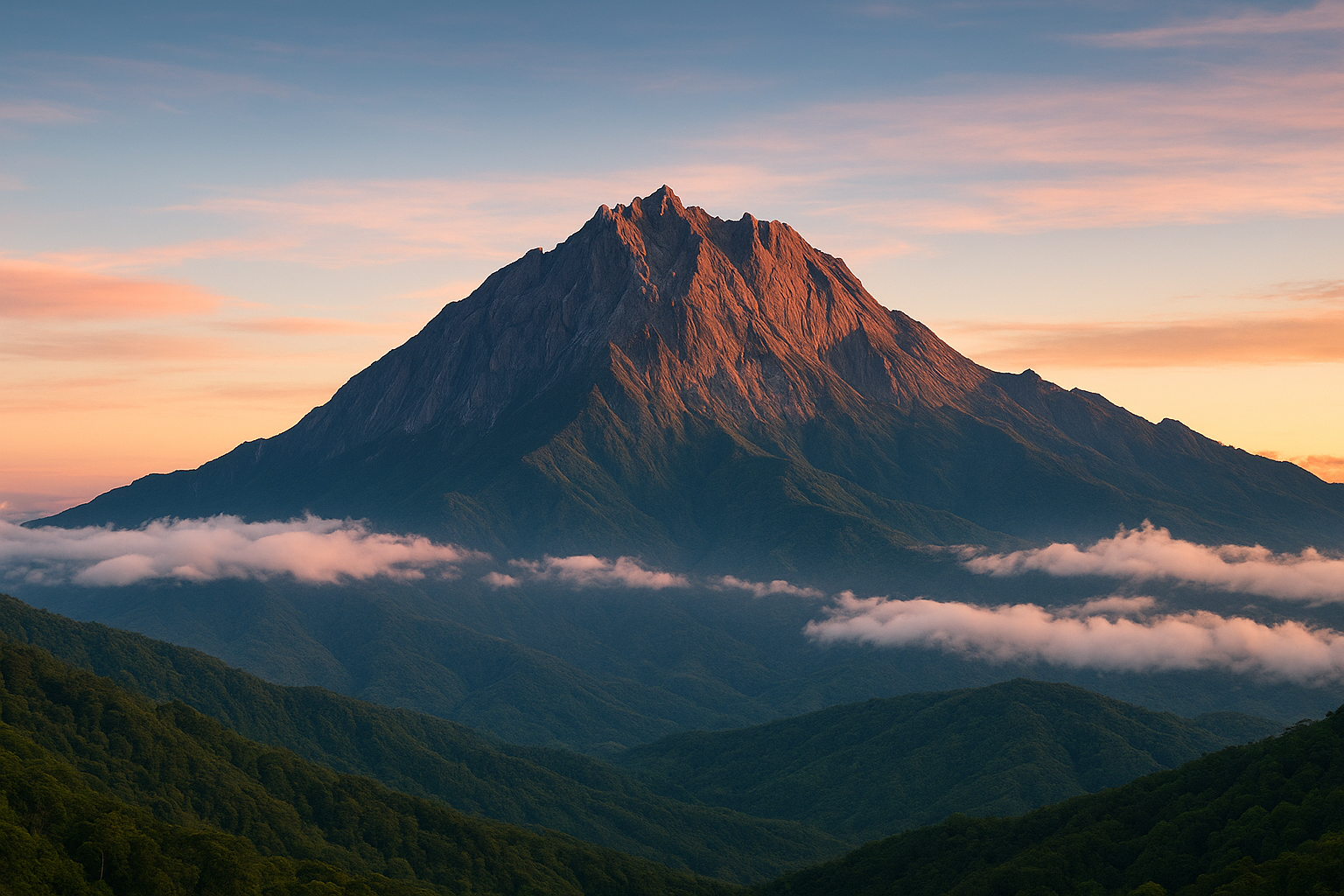
Mount Kinabalu rises to 4,095 meters in Sabah, making it the tallest peak in Southeast Asia and one of the most dramatic natural landmarks in the region. It anchors Kinabalu Park, a UNESCO World Heritage Site, and draws both serious mountaineers and casual visitors who come purely for the scenery at its base.
Why the landscapes look unreal
The mountain's granite summit zone sits above the treeline, leaving it exposed and bare in a way that looks entirely different from the jungle slopes below. Towering rock faces and alpine meadows replace dense lowland rainforest as you gain elevation, creating a visual shift that feels more like the European Alps than tropical Borneo. Among the most beautiful places in Malaysia, few match the raw vertical scale that Kinabalu delivers from any angle.
At sunrise from the summit, the cloud layer below you makes the mountain feel like a separate world above the rest of Borneo.
What to do if you hike and if you don't
The two-day summit climb remains the headline experience, starting at Timpohon Gate and overnighting at Laban Rata before the pre-dawn push to Low's Peak. This route covers roughly 8.7 kilometers one way and requires solid fitness, though no technical climbing skills are needed beyond stamina.
If climbing is not your goal, the botanical gardens and jungle trails around park headquarters still reward you with impressive biodiversity and unobstructed mountain views without any altitude demand.
Booking and weather tips you should know
Summit permits are limited and sell out months in advance, so book through Sabah Parks well before your travel dates. The dry season between March and August gives you the best summit visibility, though afternoon clouds build year-round regardless of season.
15. Sipadan Island
Sipadan Island sits off the northeast coast of Sabah in the Celebes Sea, and it holds a reputation among the most beautiful places in Malaysia that goes well beyond its small landmass. The island measures less than 12 hectares above sea level, but what lies beneath the water's surface draws divers from every corner of the world to this single remote location.
Why divers rank it among the world's best
Sipadan rises from a 600-meter underwater mountain, which means the reef drops almost vertically from the surface into deep ocean. Jacques Cousteau visited in 1989 and called it an untouched piece of art, and the reef has only improved since Malaysian authorities removed all overnight accommodation from the island in 2004 to protect the ecosystem. The combination of wall diving, strong currents, and exceptional marine life density puts Sipadan consistently in the top tier of global dive sites by any ranking.
Sipadan's protected status has directly improved coral health and fish populations over the past two decades, making it a clear example of how conservation and controlled tourism can work together.
What you can see underwater
Barracuda Point delivers the signature experience: a spiraling tornado of thousands of barracuda circling in open water above the reef wall. You also encounter green and hawksbill turtles in unusually high concentrations, white-tip reef sharks resting on sandy ledges, and bumphead parrotfish moving in schools large enough to block out the ambient light.
How permits and day trips work
The Malaysian government limits daily access to 120 permits, distributed among licensed dive operators based in Semporna and on nearby islands like Mabul and Kapalai. You cannot stay on Sipadan itself, so book your dive package through a registered Semporna operator well in advance, particularly for peak season between April and December when permits fill weeks ahead.
16. Gunung Mulu National Park
Gunung Mulu National Park sits in Sarawak, Malaysian Borneo, and it stands apart from every other destination on this list of the most beautiful places in Malaysia for one simple reason: nothing else in the country looks remotely like it. The park covers roughly 544 square kilometers of primary rainforest punctuated by razor-sharp limestone pinnacles, colossal cave systems, and river corridors that feel genuinely remote.
Why it's Malaysia's most dramatic karst landscape
The park's defining visual is the Pinnacles formation on Mount Api, a cluster of 45-meter-tall limestone spikes that rise from the forested ridgeline in a way that looks structurally impossible. Combined with the valley-level karst towers visible from the park's boardwalks, Mulu delivers a landscape scale that no other Malaysian destination matches.
Gunung Mulu's karst formations took around 1.5 million years to develop, making the landscape as geologically significant as it is visually striking.
Caves, canopy walks, and signature hikes
Deer Cave and Lang's Cave form the most-visited circuit in the park, with Deer Cave housing one of the largest cave passages in the world by volume. Every evening, millions of bats spiral out of the cave mouth in a column that stretches across the sky for up to 30 minutes, a spectacle that draws visitors specifically for this single event.
How to plan logistics and time your visit
Mulu is only accessible by small aircraft or a multi-hour river journey, so booking flights from Miri or Kuching well in advance is essential. The park runs wet most of the year, but the drier months between February and September reduce trail closures and make the Pinnacles climb more manageable.
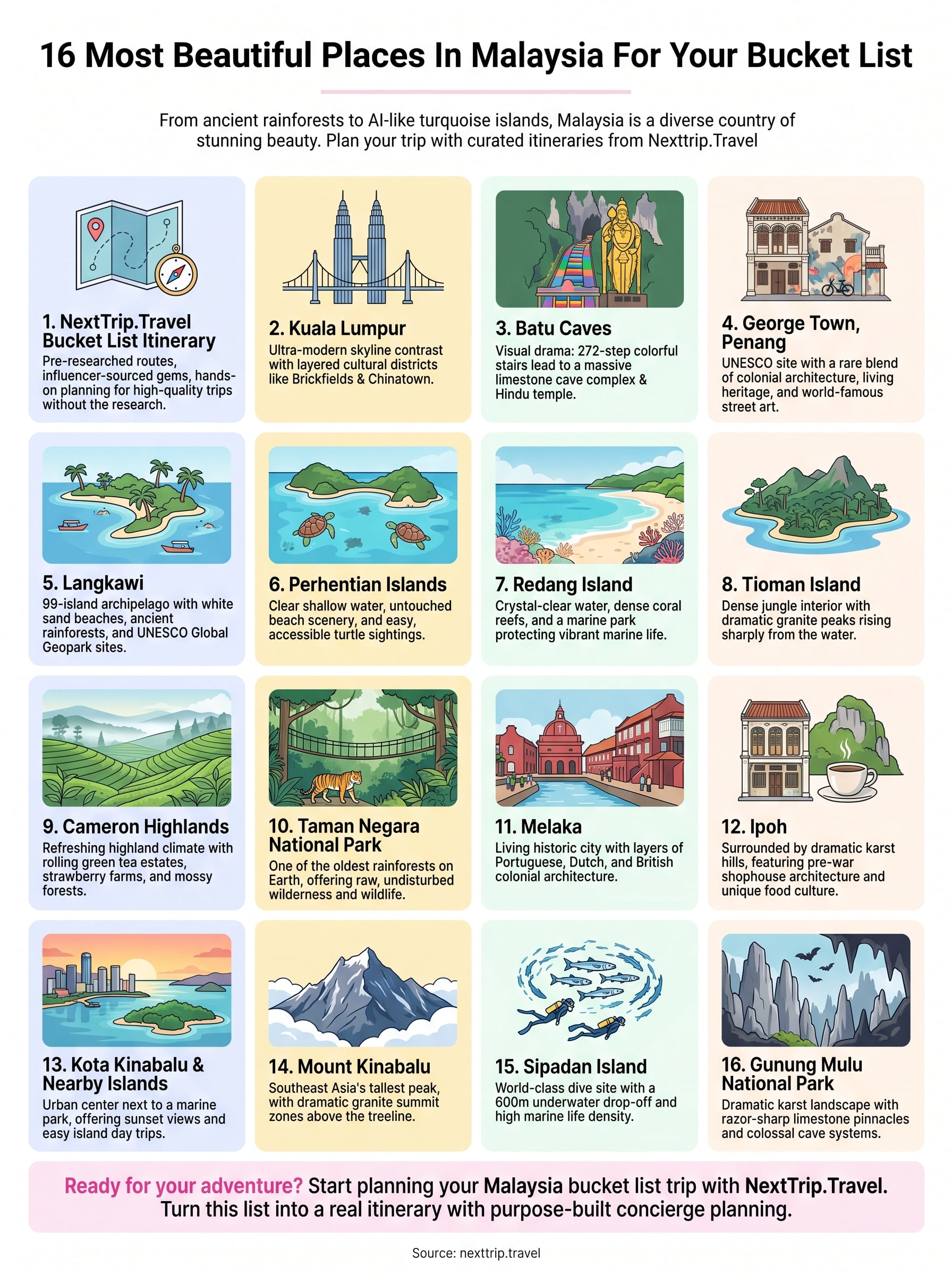
Wrap-Up and Next Steps
Malaysia earns its place as one of the most destination-rich countries in Southeast Asia, and this list only confirms it. From the limestone pinnacles of Mulu to the turquoise shallows of Redang, the most beautiful places in Malaysia span every landscape type, travel pace, and interest level you can think of. Whether you came here to plan a single focused trip or map out a multi-region adventure, you now have a clear picture of what each destination actually offers.
The next step is turning this list into a real itinerary. Researching, comparing, and sequencing 16 destinations takes time that most travelers simply don't have. That's where a purpose-built travel concierge makes the difference. You can plan your Malaysia bucket list trip with NextTrip.Travel and get a route built around your timeline, travel style, and the destinations that stood out most on this list.